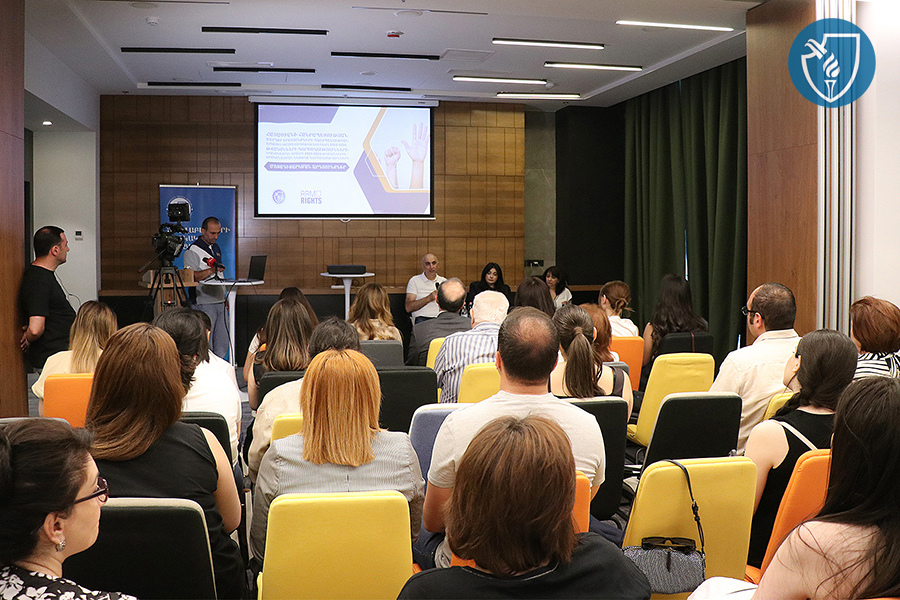
The Armenian Lawyers’ Association, in cooperation with the CSO Network for the Protection of the Rights of Forcibly Displaced Persons from Artsakh, conducted public monitoring of the implementation of the actions envisaged for 2023–2024 under the 2023–2025 Action Plan derived from the National Human Rights Protection Strategy.
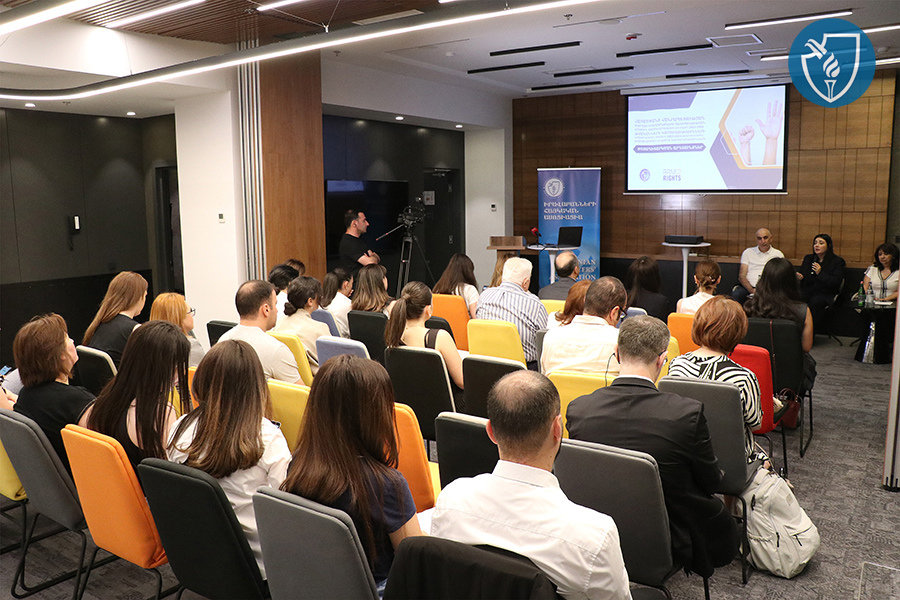
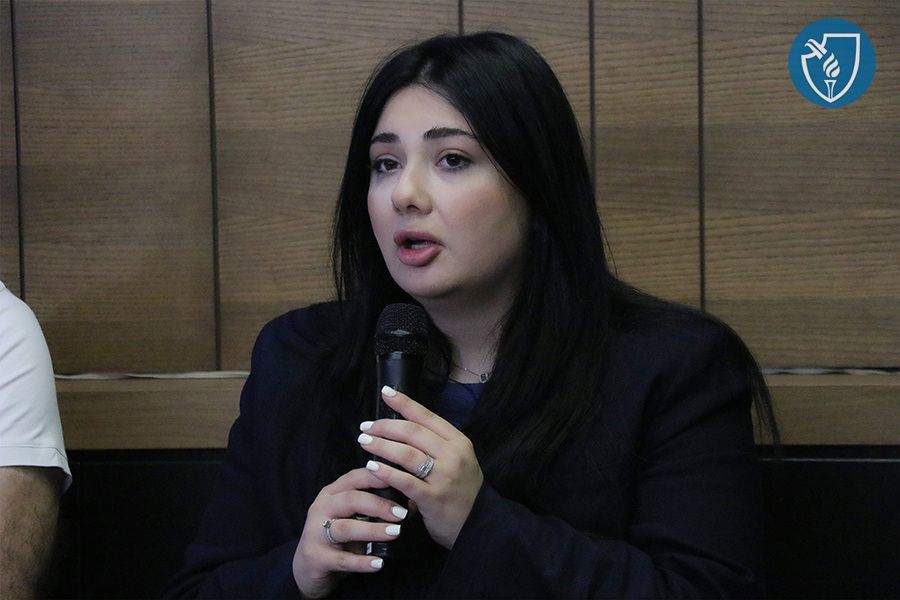
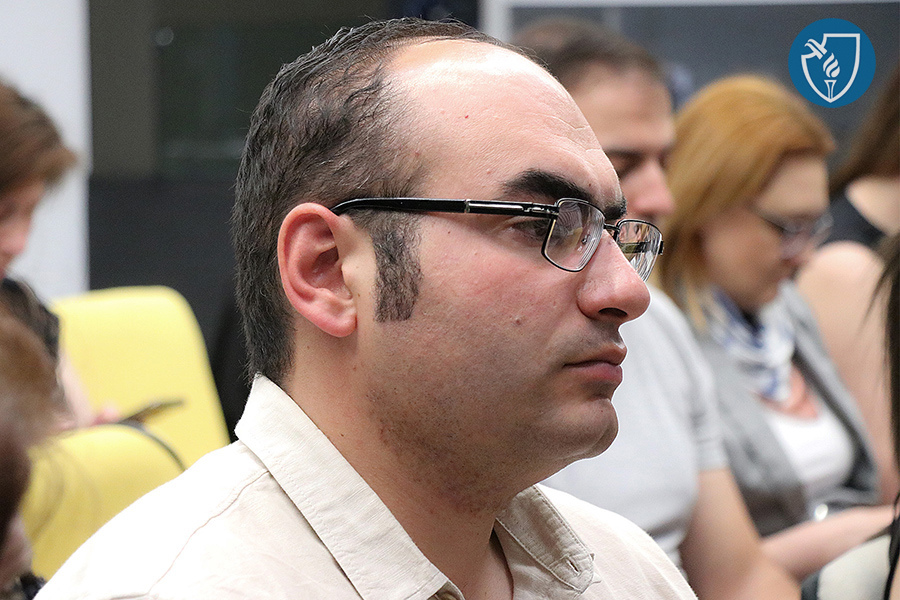
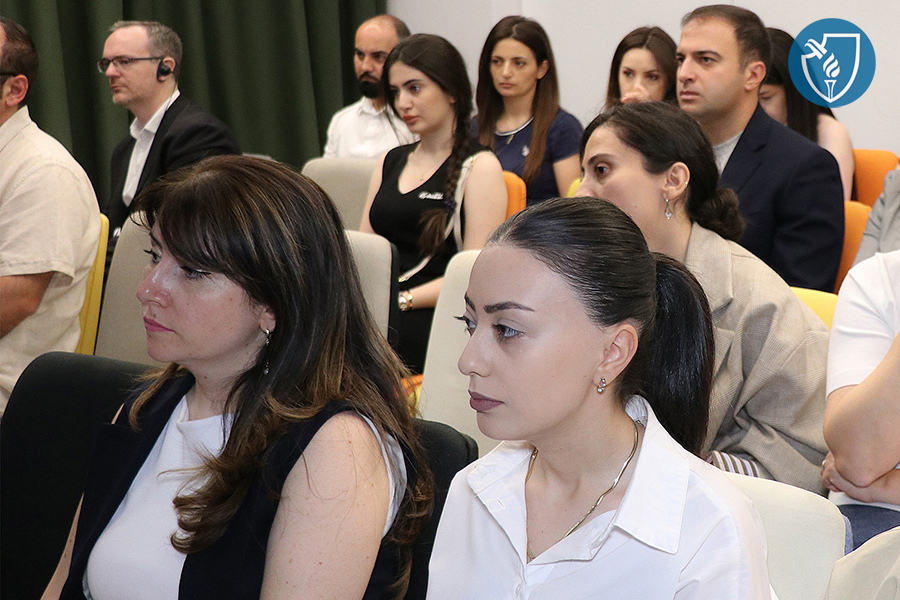
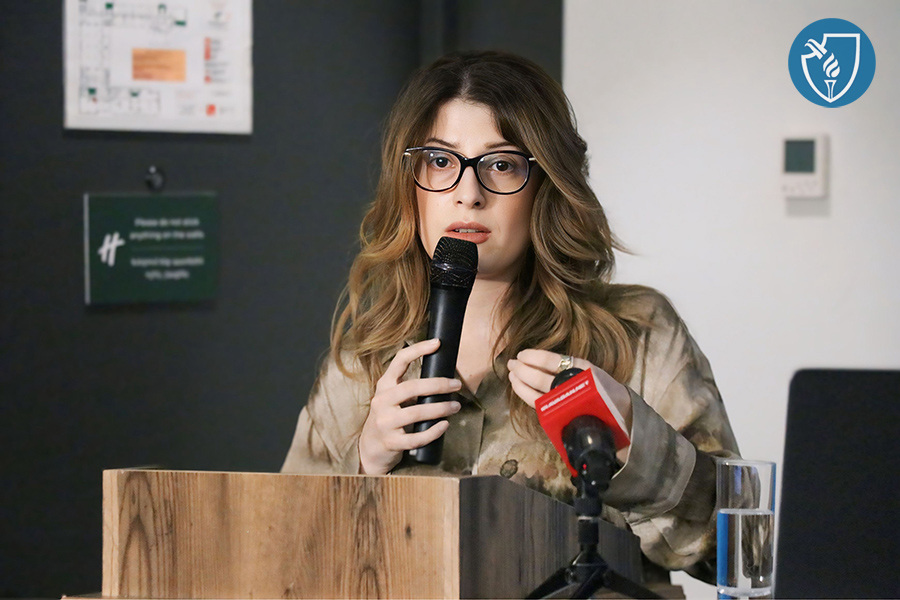
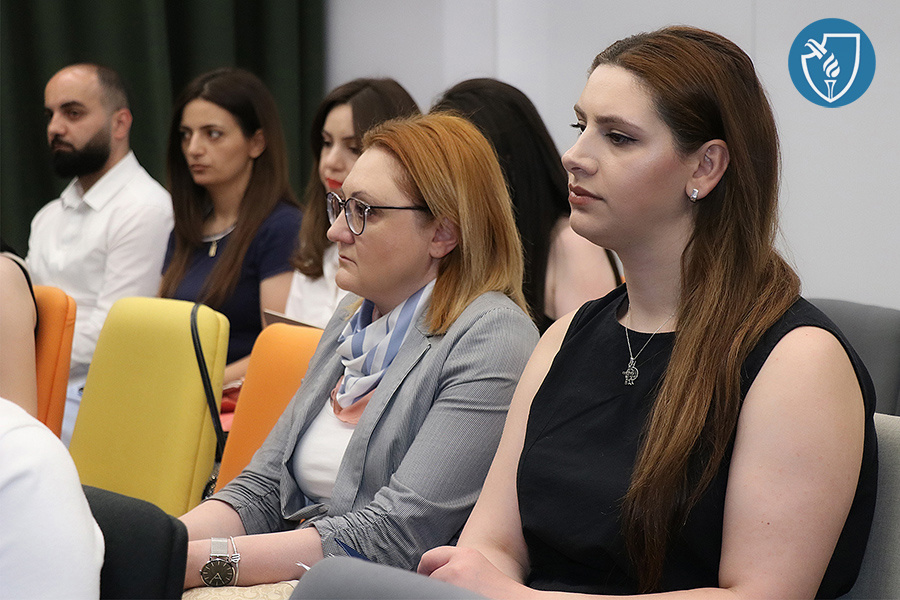
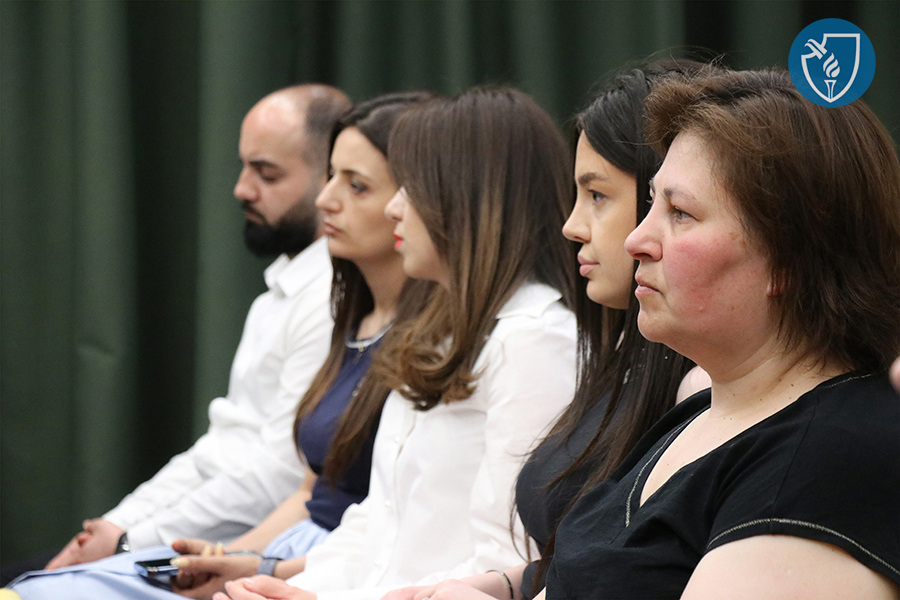
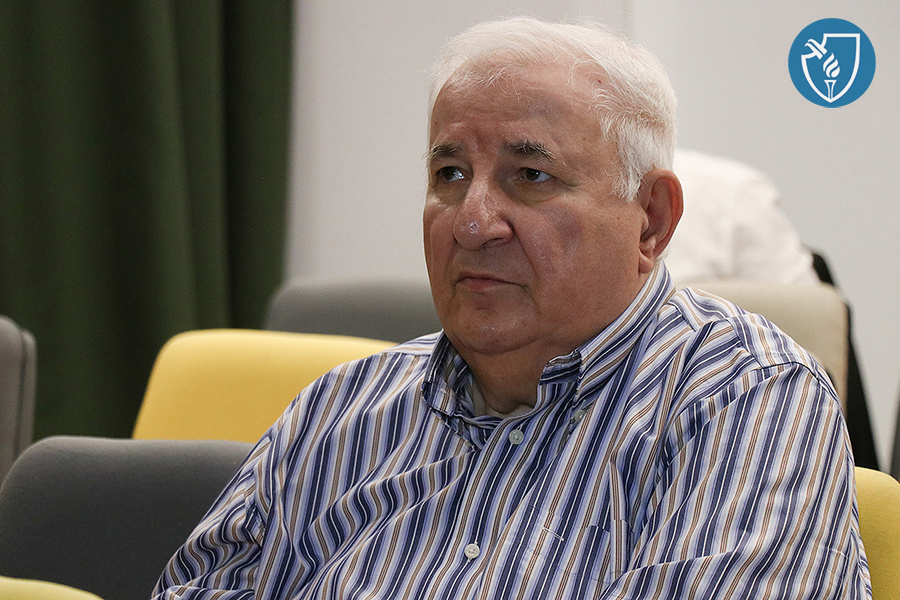
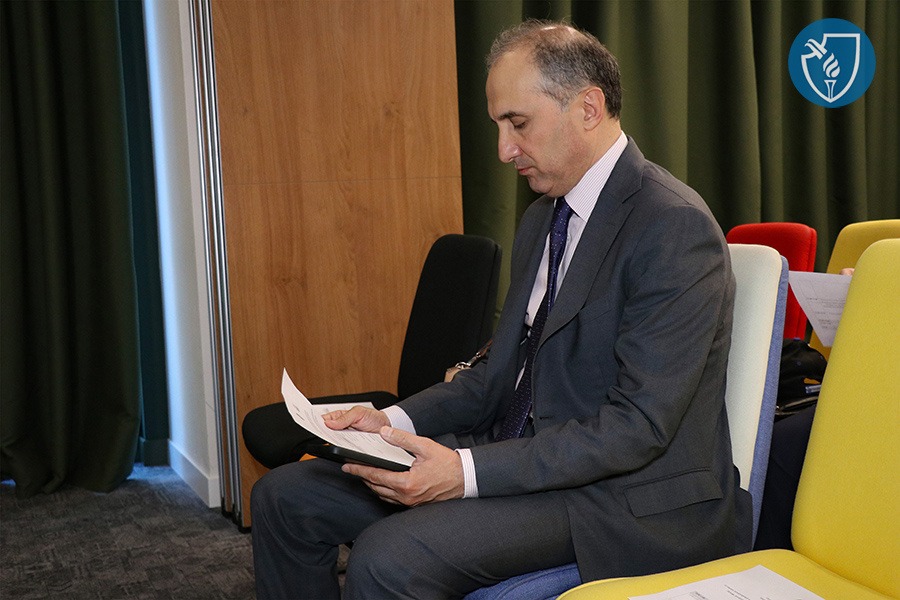
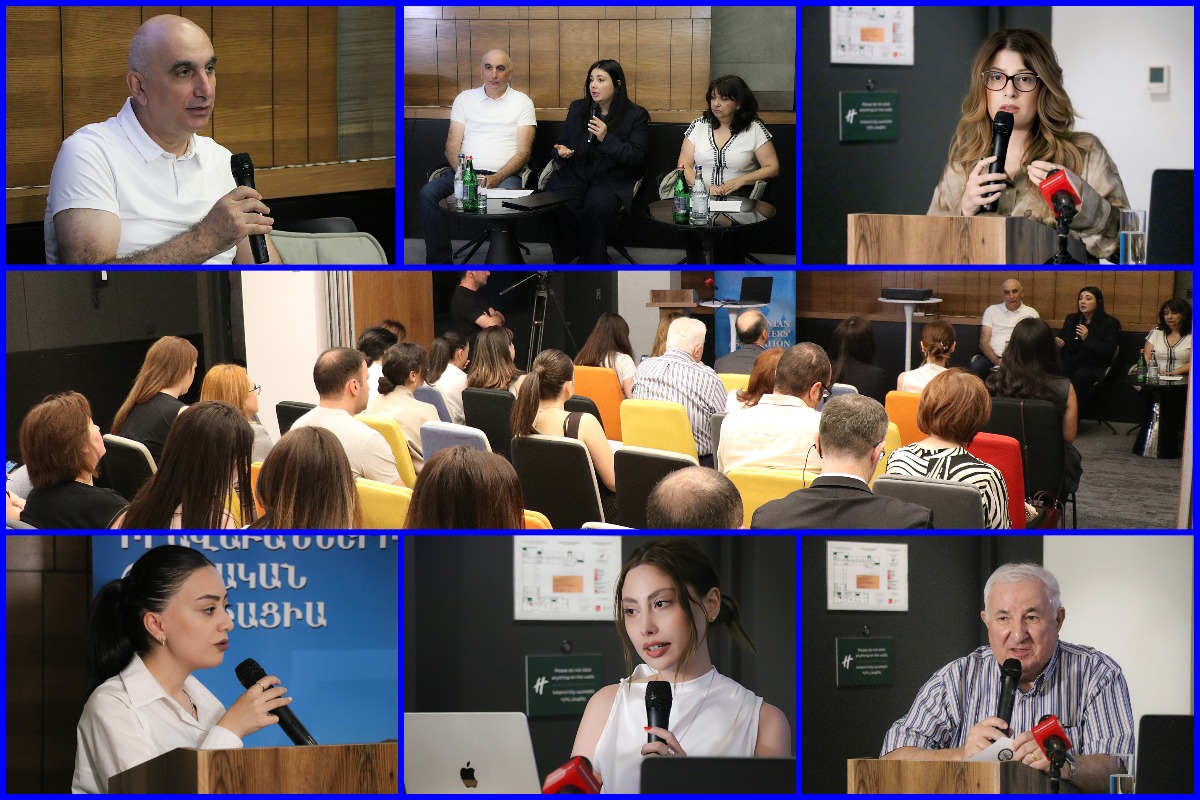
Today, on June 20, the presentation of the report took place, attended by Deputy Minister of Justice Anna Karapetyan, President of the Armenian Lawyers’ Association Karen Zadoyan, Secretary General of the CSO Network for the Protection of the Rights of Forcibly Displaced Persons from Artsakh Karen Zadoyan, Chair of the Network’s Governing Council Julietta Arustamyan, as well as representatives of the Office of the Human Rights Defender, the Ministry of Justice, and the Armenian Lawyers’ Association.
The opening remarks at the presentation were delivered by the President of the Armenian Lawyers’ Association and Secretary General of the CSO Network for the Protection of the Rights of Forcibly Displaced Persons from Artsakh, Karen Zadoyan.
Emphasizing the importance of human rights protection in Armenia, the development of relevant policies, and their improvement, Karen Zadoyan stated:
“Therefore, we carry out this work in a constructive format, cooperating with the Ministry of Justice, trying to improve the strategy and identify existing problems so that future strategies include more concrete and realistic actions.”
Out of the 60 actions envisaged by the strategy, 24 have been fully implemented, 26 partially implemented, and 10 have not been implemented.
Details are available in the video.
Deputy Minister of Justice Anna Karapetyan noted that the Ministry of Justice is responsible for the overall coordination of actions within the framework of the National Human Rights Strategy.
She emphasized that there are projects she has personally worked on, and that discussions on amicus curiae have also been held with members of the National Assembly and representatives of civil society organizations:
“The National Assembly deputies initiated the development of the relevant draft and its procedures, and accordingly, we have held discussions with them as well. The project has not yet progressed, and in fact, we currently have several drafts that are at the discussion and development stage.”
Details are available in the video.
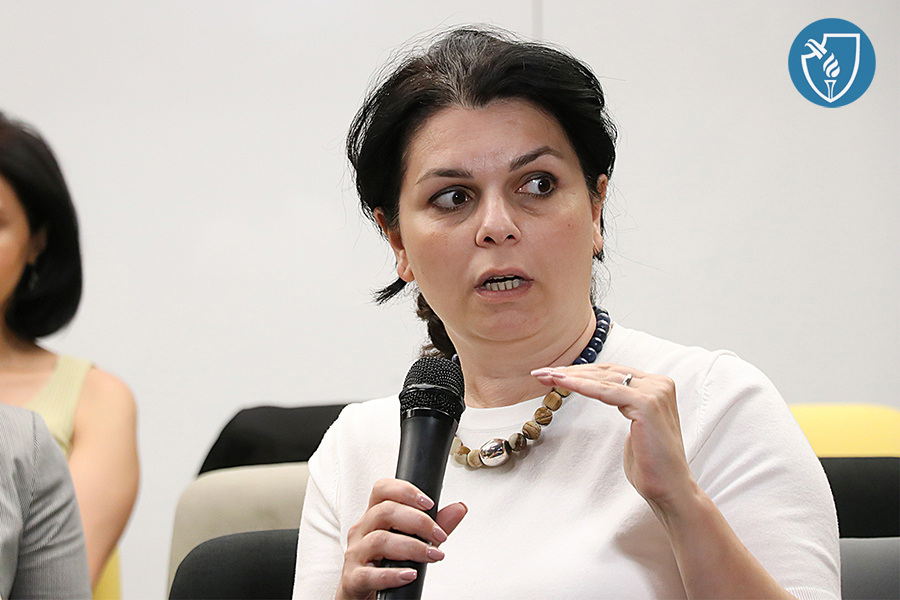
Julietta Arustamyan, Chair of the Governing Council of the CSO Network for the Protection of the Rights of Forcibly Displaced Persons from Artsakh and Executive Director of the “Harmonia” Shushi Women’s NGO, expressed hope that such events would contribute to solving the problems of Artsakh Armenians:
“I hope that we will have an active discussion, as a result of which we will move closer to addressing the current challenges faced by Artsakh Armenians.”
Details are available in the video.
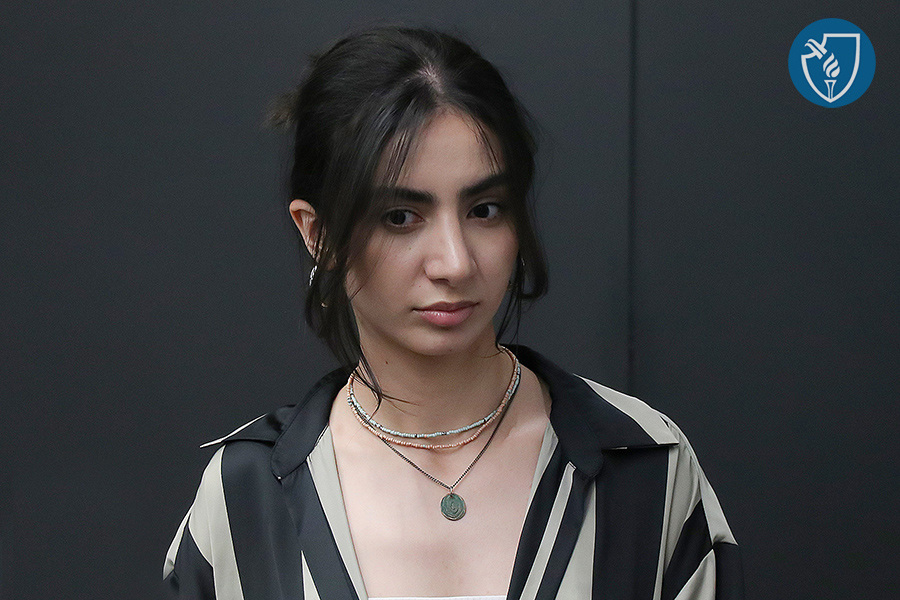
Suzanna Soghomonyan, Legal Expert of the Armenian Lawyers’ Association, presented the results of the 2023–2024 monitoring. Within the framework of the strategy, 12 thematic areas were identified.
“The number of actions planned for implementation during the mentioned period is 60. As a result of public monitoring, a draft report was prepared and sent to all implementing and co-implementing state bodies, as well as other stakeholders, in order to receive proposals and comments on the draft,” noted Suzanna Soghomonyan.
According to her, out of the 60 actions envisaged by the strategy, 24 have been fully implemented, 26 partially implemented, and 10 have not been implemented.
Details are available in the video.
“There is a gap in legislative regulation”: ALA lawyer on the results of monitoring the Human Rights Strategy
In her speech, Armenian Lawyers’ Association lawyer Marianna Avagyan addressed the results of the monitoring, noting that the first thematic area of monitoring is the right to life, within which two key actions are envisaged. They are aimed at:
- Strengthening an atmosphere of tolerance and mutual respect within the Armed Forces,
- Raising awareness among persons deprived of liberty regarding the right to life, torture, and other cruel, inhuman, or degrading treatment.
To achieve these goals, the action plan envisaged the production and dissemination of video materials, placement of awareness-raising posters, and the organization of training sessions.
“However, as a result of the monitoring, we have recorded that these actions are mainly focused on achieving quantitative indicators, without qualitative components and impact assessment mechanisms,” Marianna Avagyan stated.
Details are available in the video.
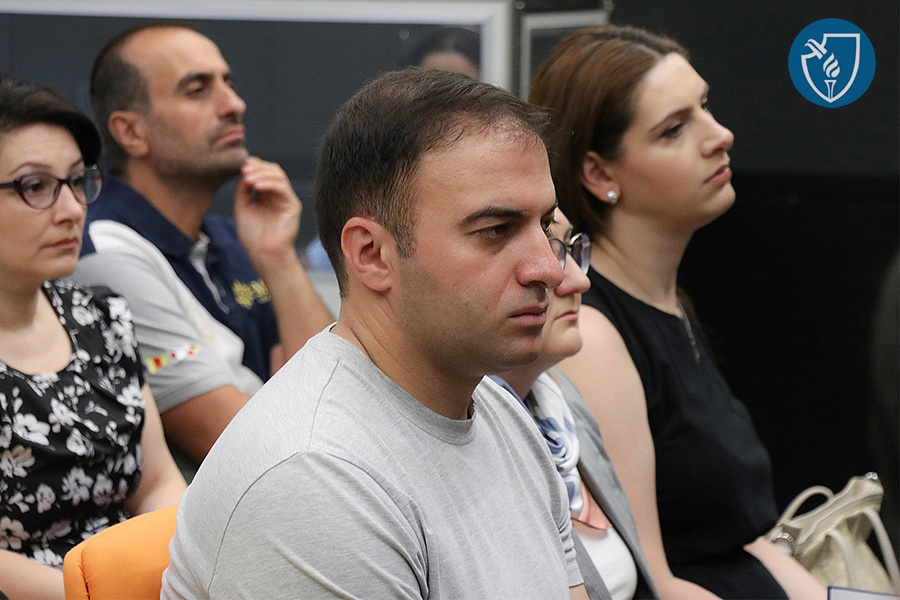
Representatives of the Ministry of Justice and the Office of the Human Rights Defender were also present at the event, answering questions from participants and presenting their positions.
The full report on the results of the public monitoring of the implementation of actions for 2023–2024 under the 2023–2025 Action Plan derived from the National Human Rights Protection Strategy is available here.
The slide presentation presented within the framework of the report presentation is available here.