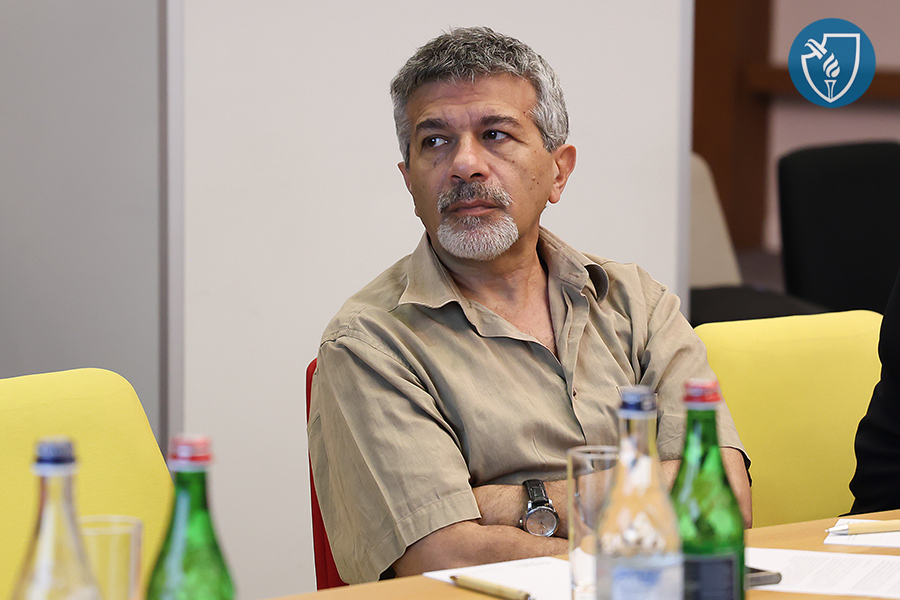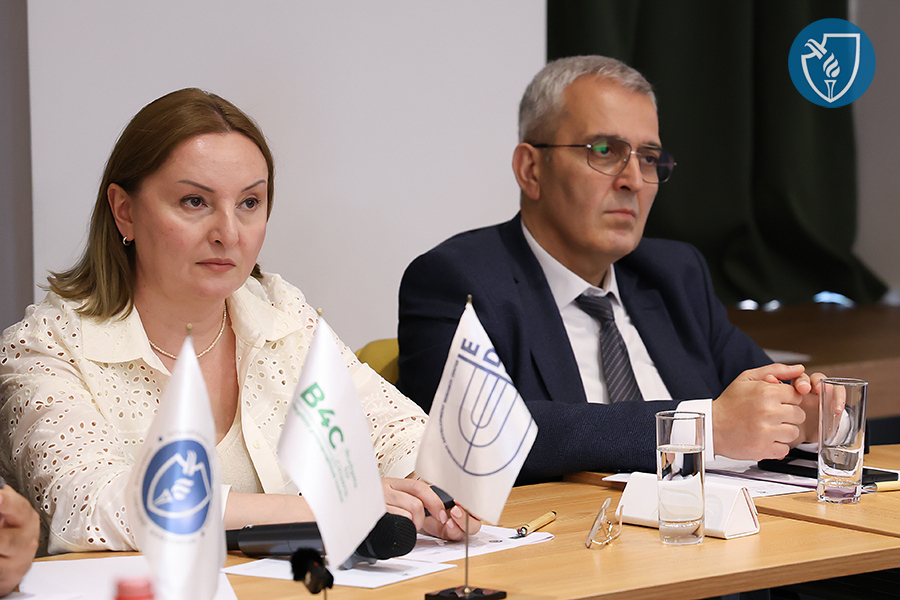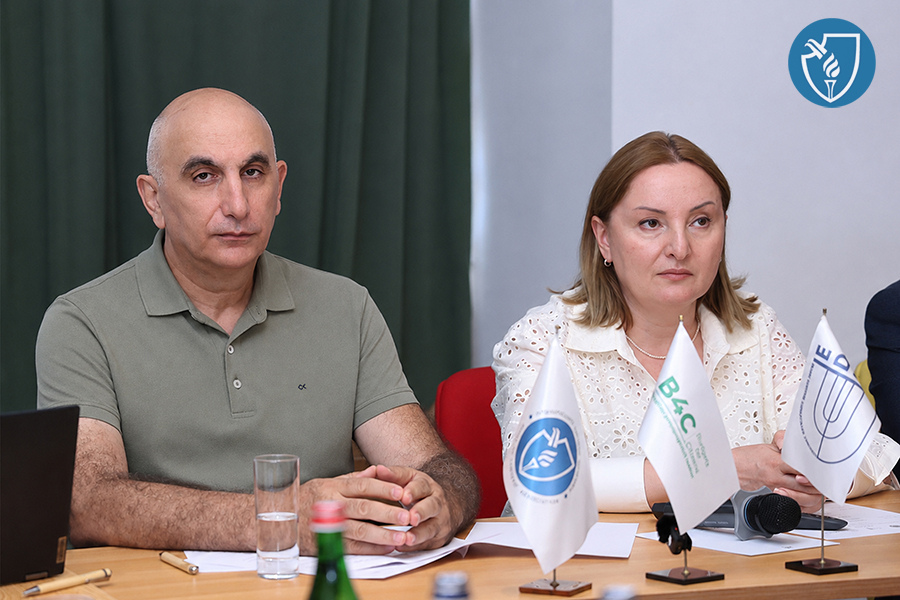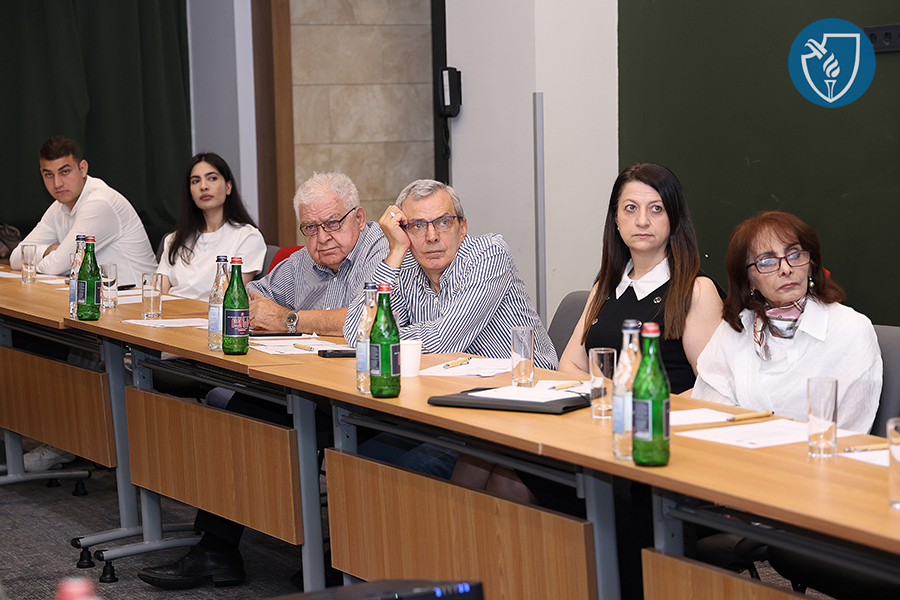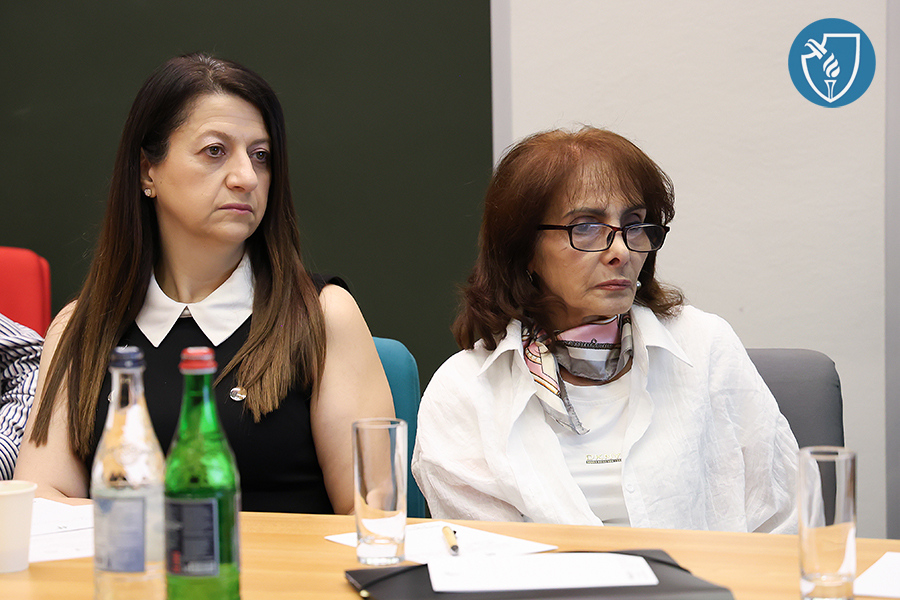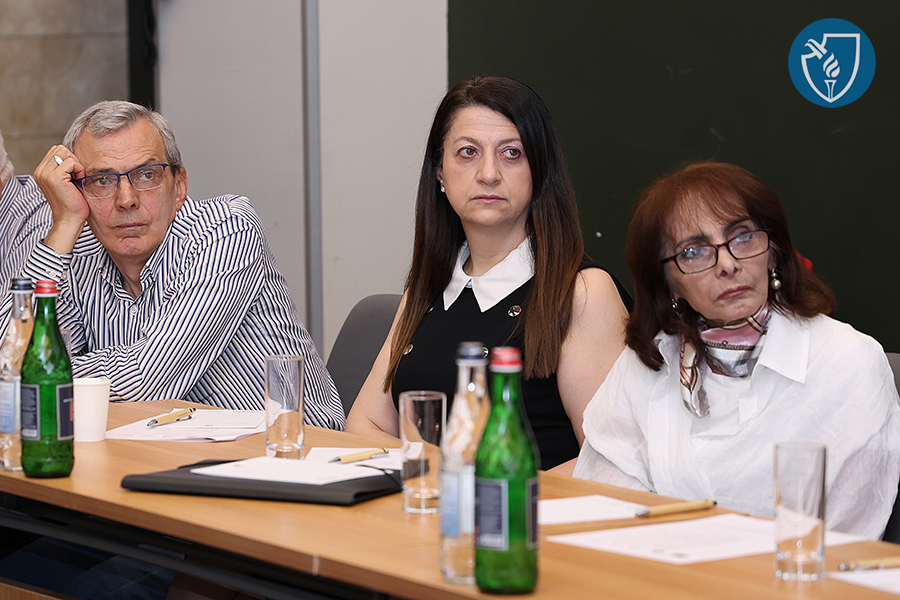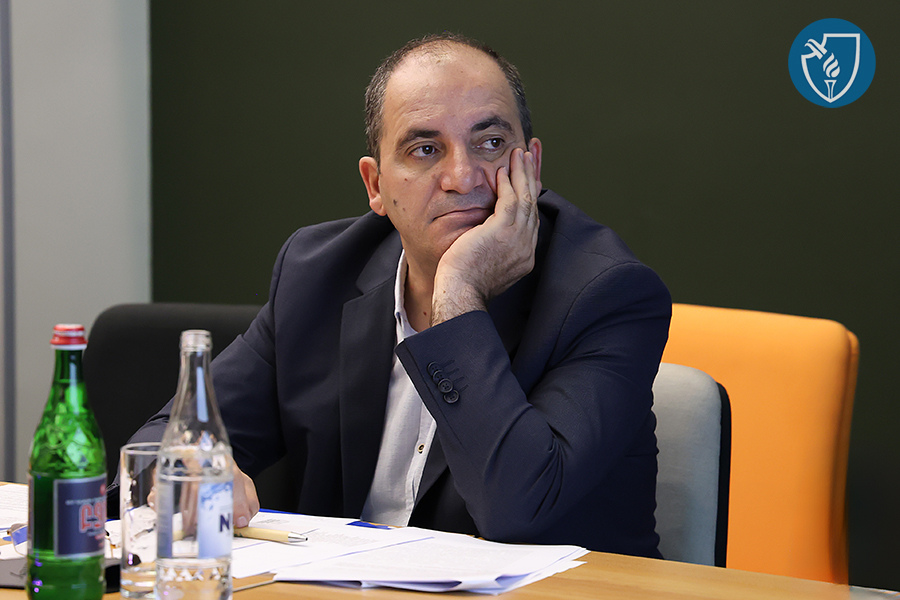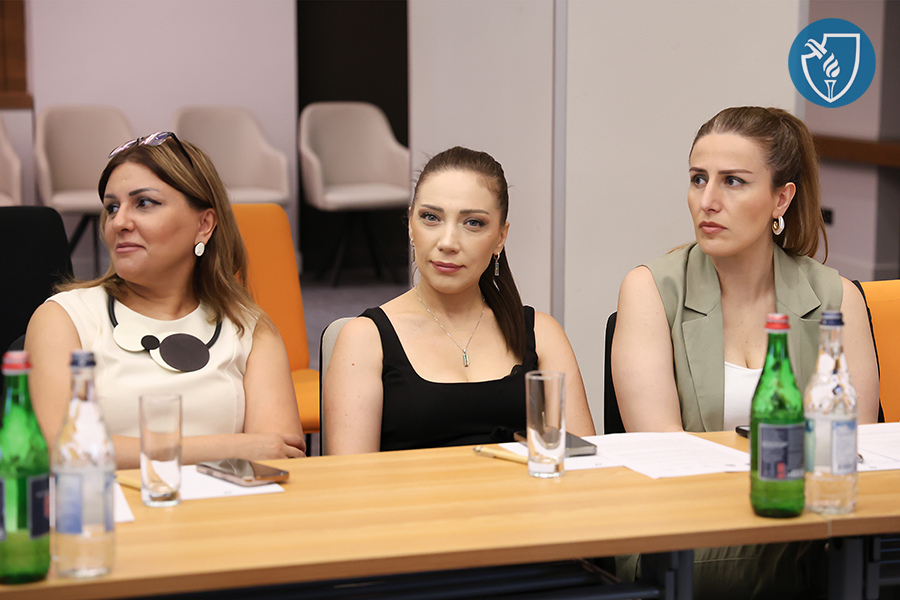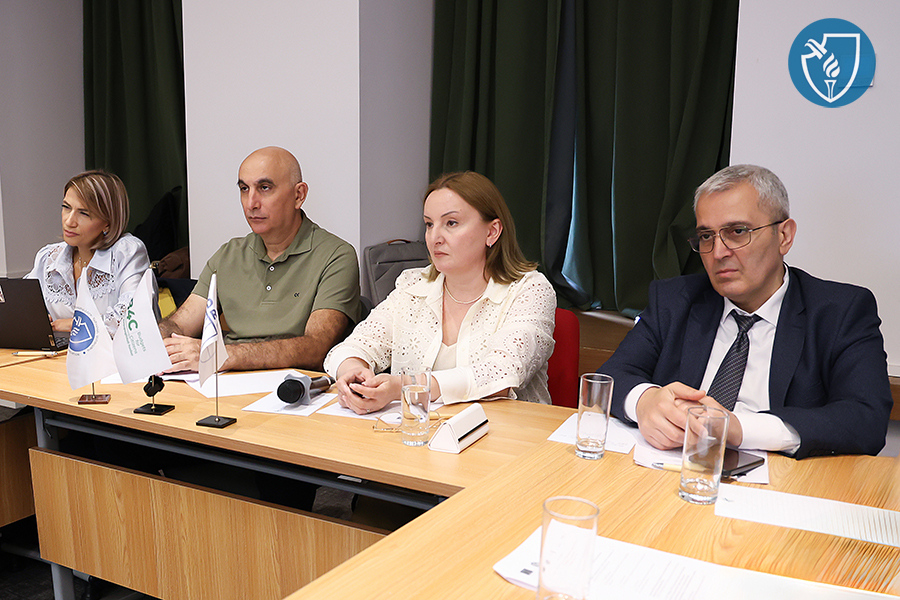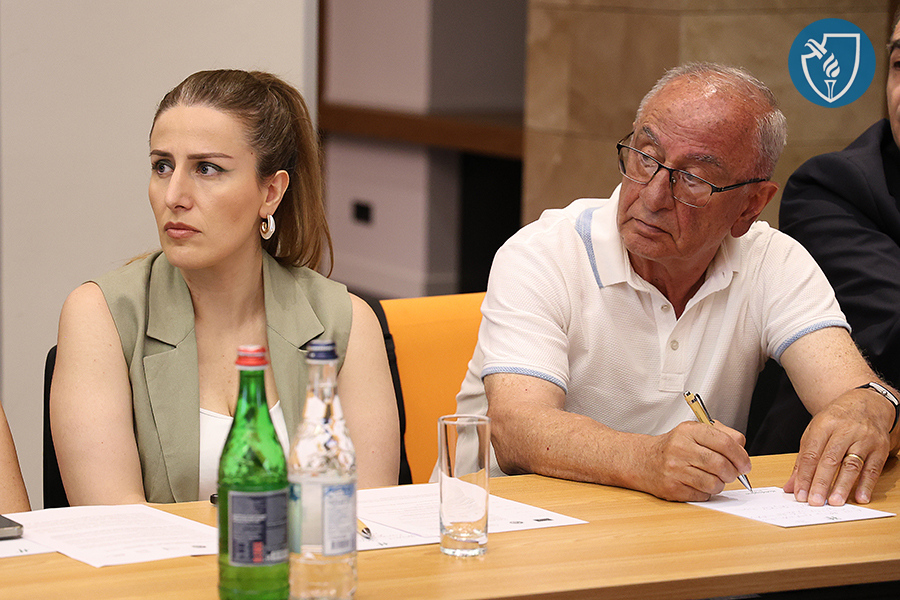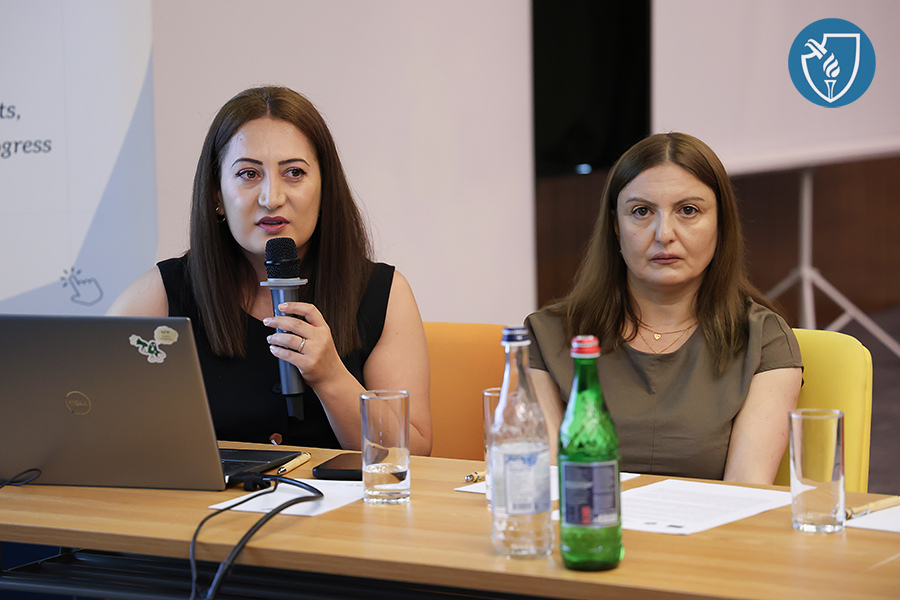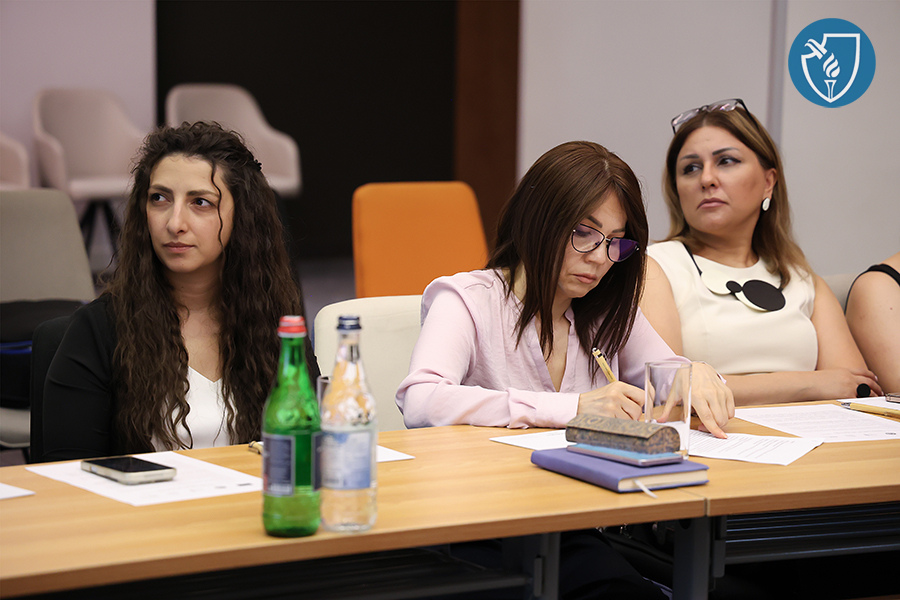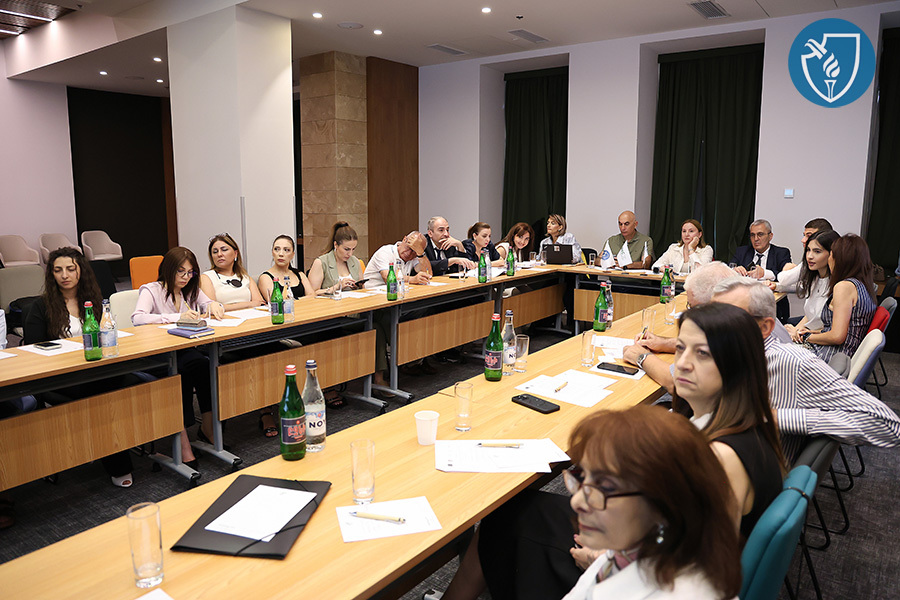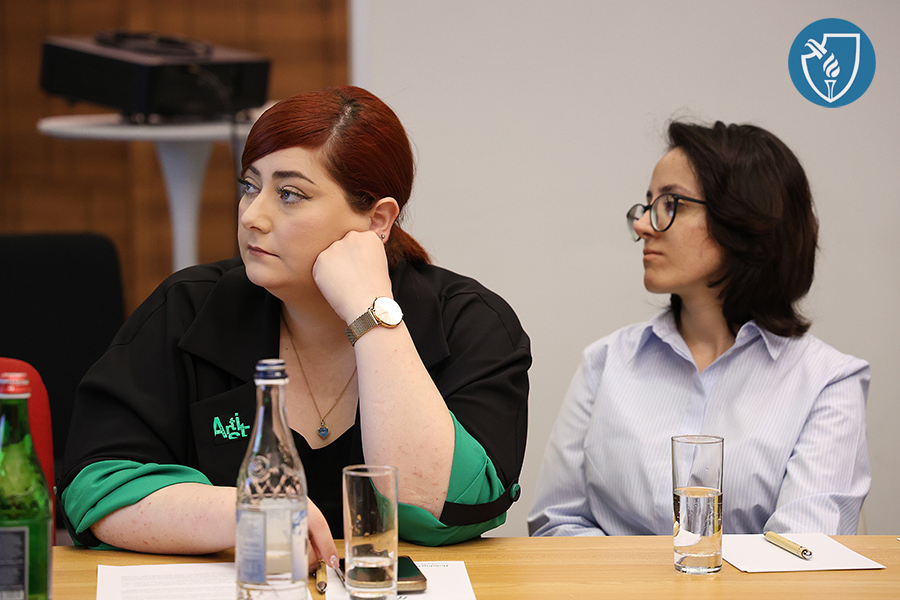
On 9 July 2026, the discussion entitled “Agriculture 2027: Policy and Budget” brought together representatives of government institutions, particularly the Ministries of Economy and Finance, as well as representatives of civil society organizations (CSOs). The discussion focused on the 2027–2029 policy priorities for the agricultural sector and the expenditure trends envisaged under the Medium-Term Expenditure Framework (MTEF). Participants also addressed issues related to accessibility of budget information, strengthening civil society participation, and enhancing the effectiveness of cooperation with public institutions.
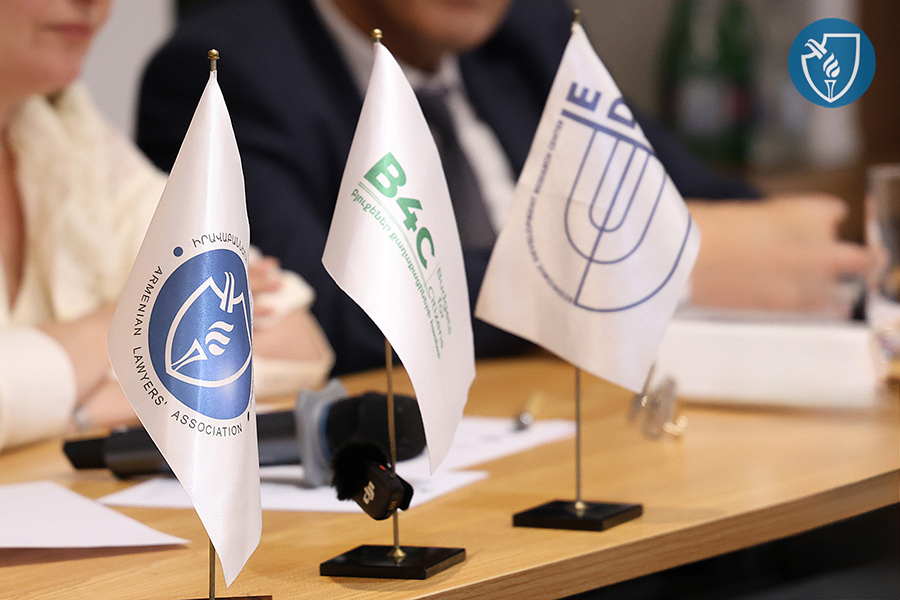
The event was organized within the framework of the “Budgets for Citizens” project, implemented by the Armenian Lawyers’ Association with the financial support of the European Union, in cooperation with the Economic Development and Research Center and Agora Central Europe.
In her opening remarks, Ms. Karine Harutyunyan, Executive Director of the Economic Development and Research Center and Budget Component Lead of the Budgets for Citizens project, emphasized that one of the project’s key objectives is to increase civil society engagement in budgetary processes and promote effective dialogue with public institutions.
According to Mr. Karen Zadoyan, President of the Armenian Lawyers’ Association and Budgets for Citizens Project Manager, the project’s primary objective has been to strengthen the capacities of civil society organizations, enabling them to professionally analyze and monitor public budgets and actively participate in budgetary processes. To achieve this objective, the project has focused on four priority sectors: justice, agriculture, social protection, and education.
Ms. Gayane Atoyan, Head of the Financial and Accounting Department of the Ministry of Economy, highlighted that agriculture is one of the strategic sectors of the economy, as it not only ensures agricultural production and processing but also supplies raw materials to numerous other industries. She also emphasized the importance of civil society participation in the development of budget programmes and state support policies, noting that such cooperation contributes to more effective decision-making.
Mr. Hrayr Yesayan, Head of the Budget Process Organization Department for Economic Programmes at the Ministry of Finance, noted that the budget process has become increasingly transparent in recent years. To support this objective, the Citizen’s Budget has been introduced, presenting government programmes in clear and accessible language, while budget proposals are subject to mandatory public consultation before approval. He also stressed that agriculture remains one of the Government’s priority sectors, and that, given the existing challenges facing the sector—particularly those related to exports—a number of programmes are currently being reviewed and refined.
The event concluded with an open discussion between representatives of government institutions and civil society organizations, during which participants exchanged views on sectoral priorities, budgetary processes, and opportunities for future cooperation.
This publication has been produced within the framework of the Budgets for Citizens project, implemented with the financial support of the European Union by the Armenian Lawyers’ Association, in cooperation with the Economic Development and Research Center and Agora Central Europe (Czech Republic).
Its contents are the sole responsibility of the project and do not necessarily reflect the official views of the European Union.