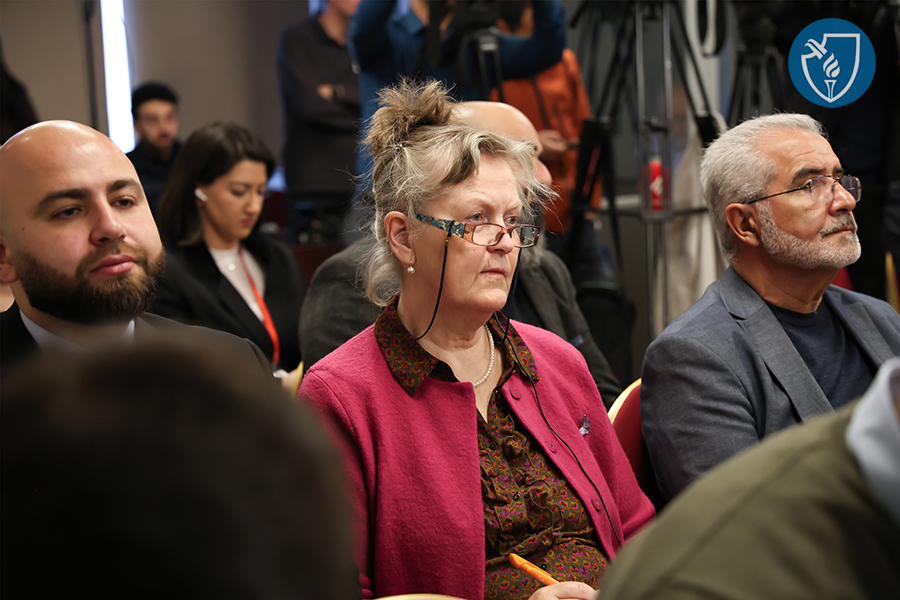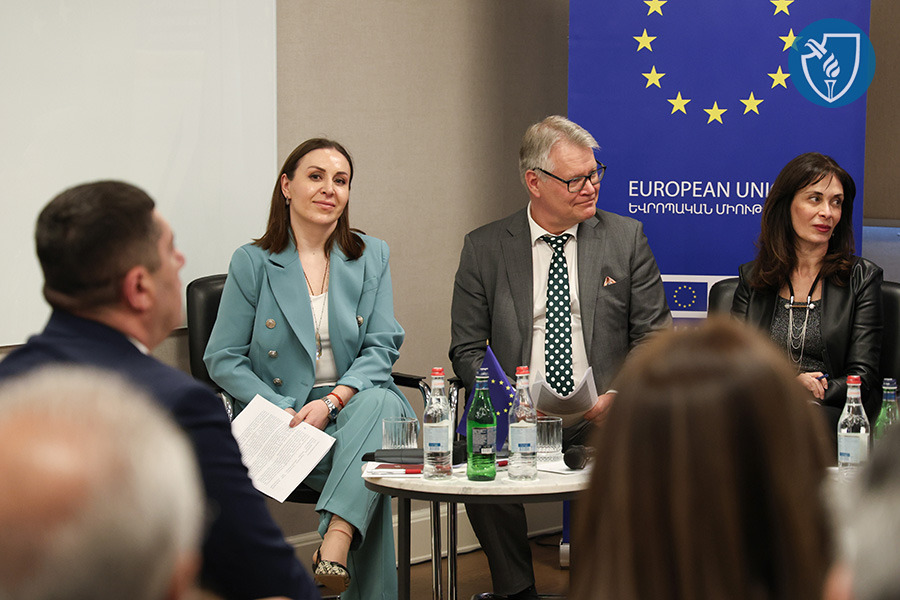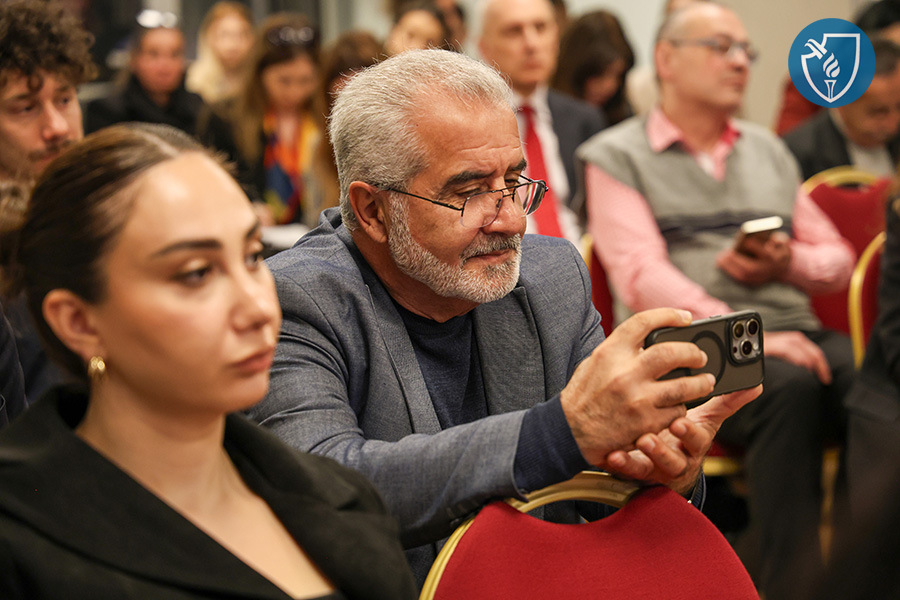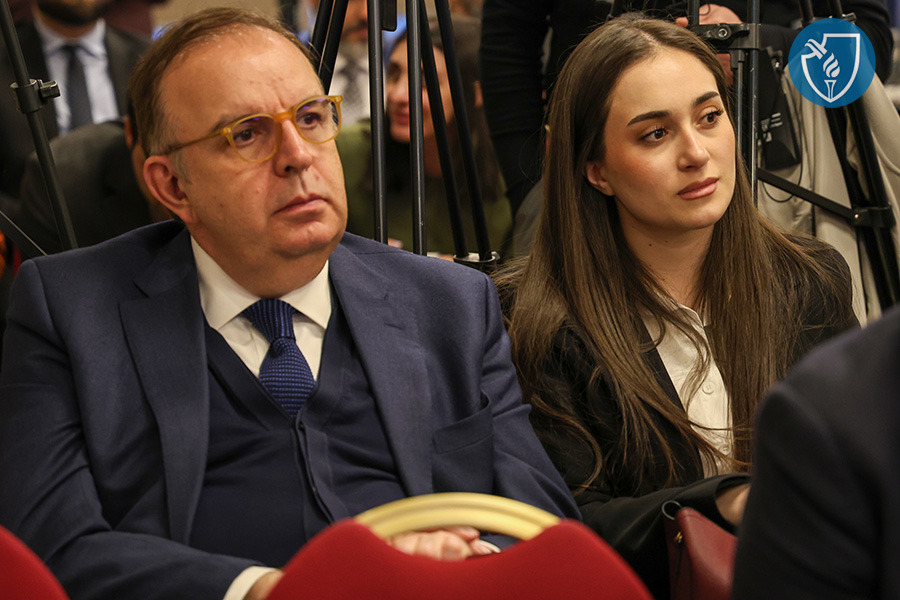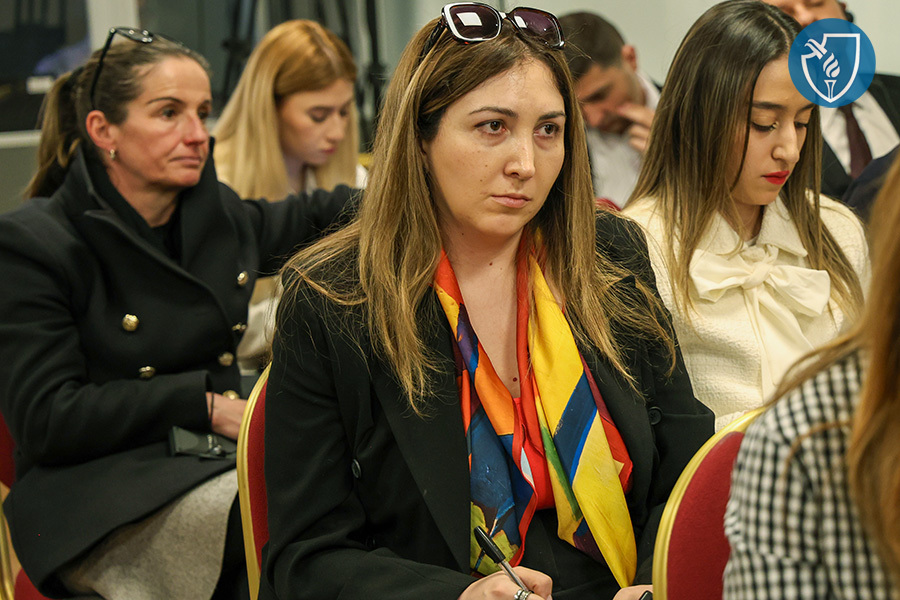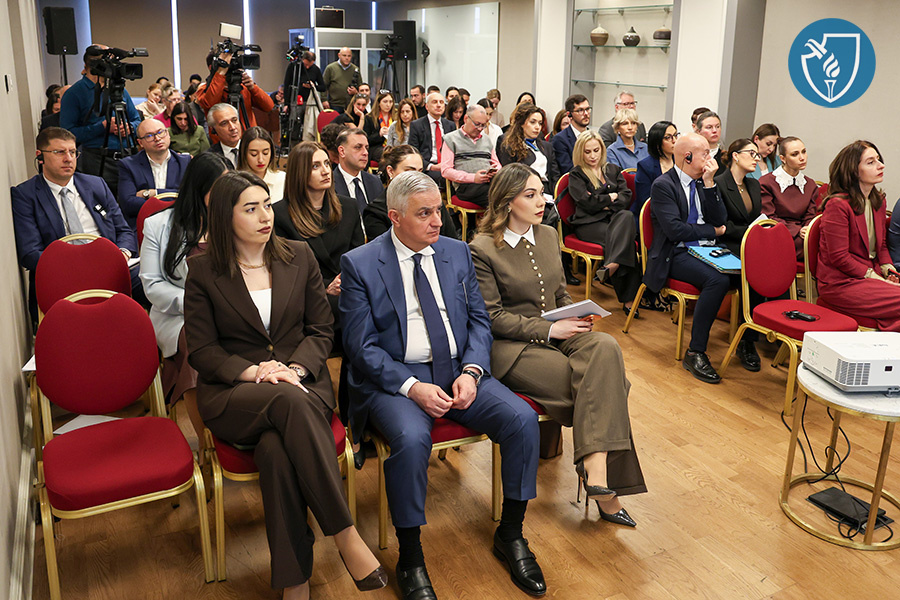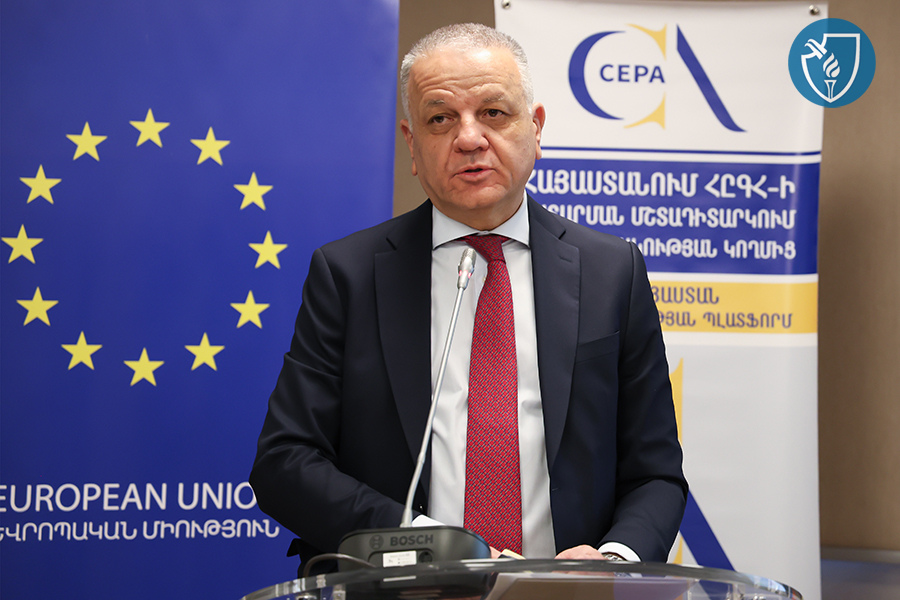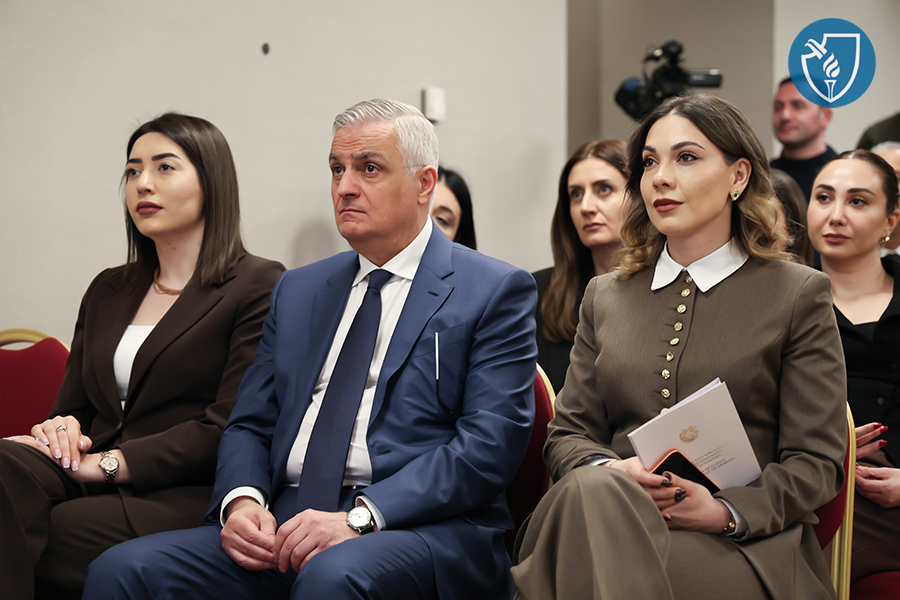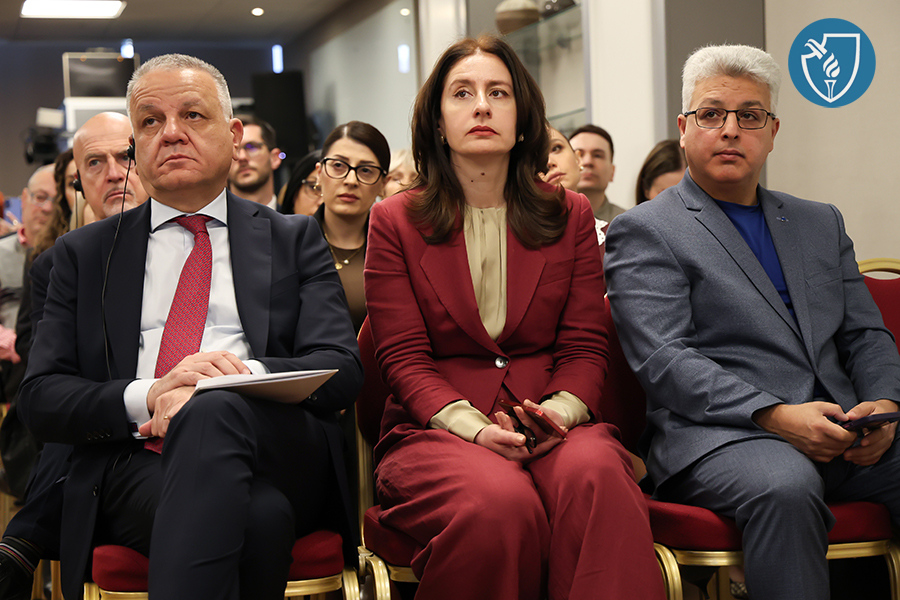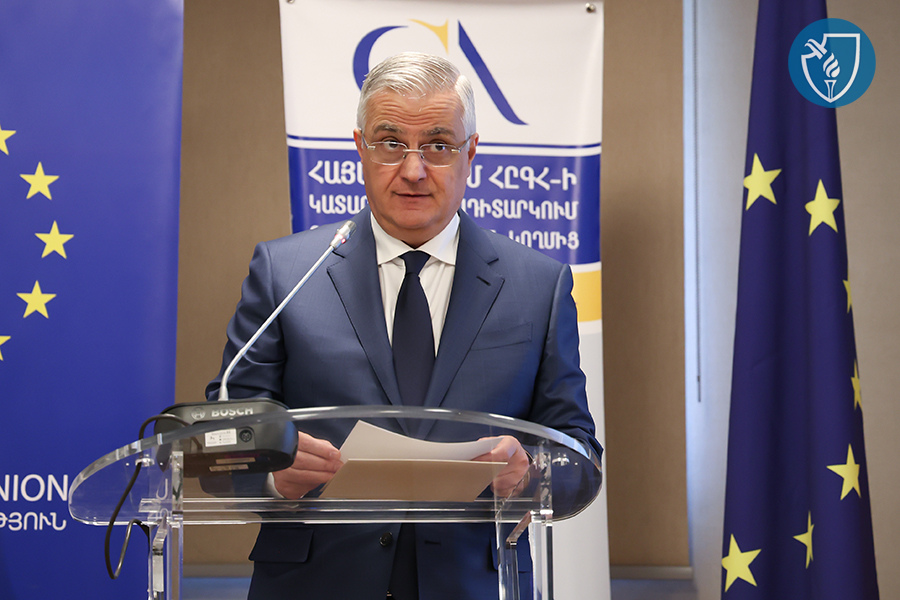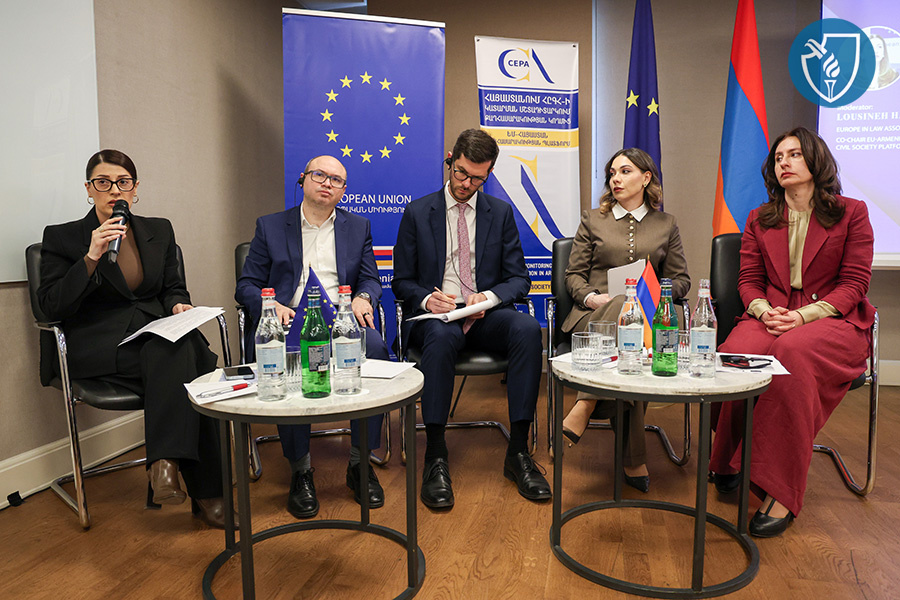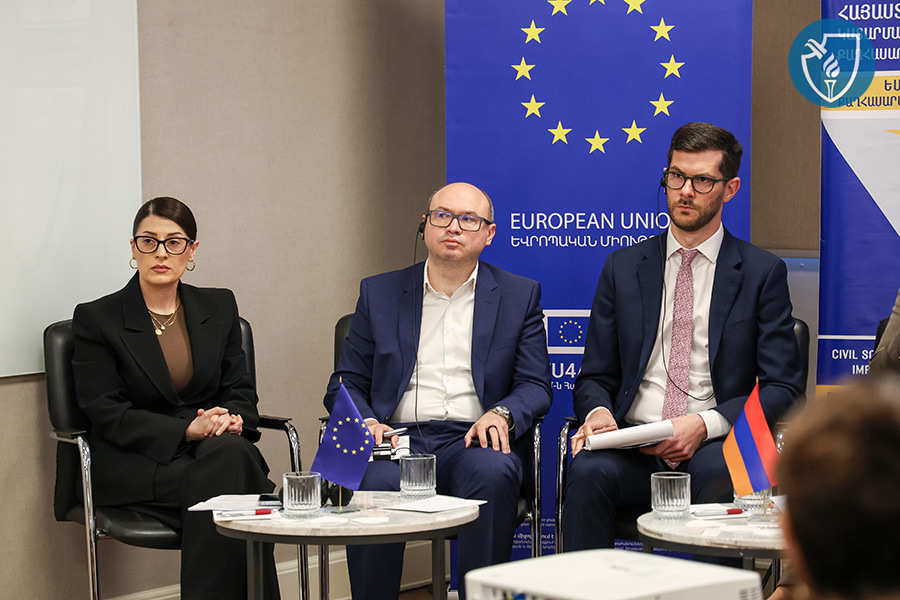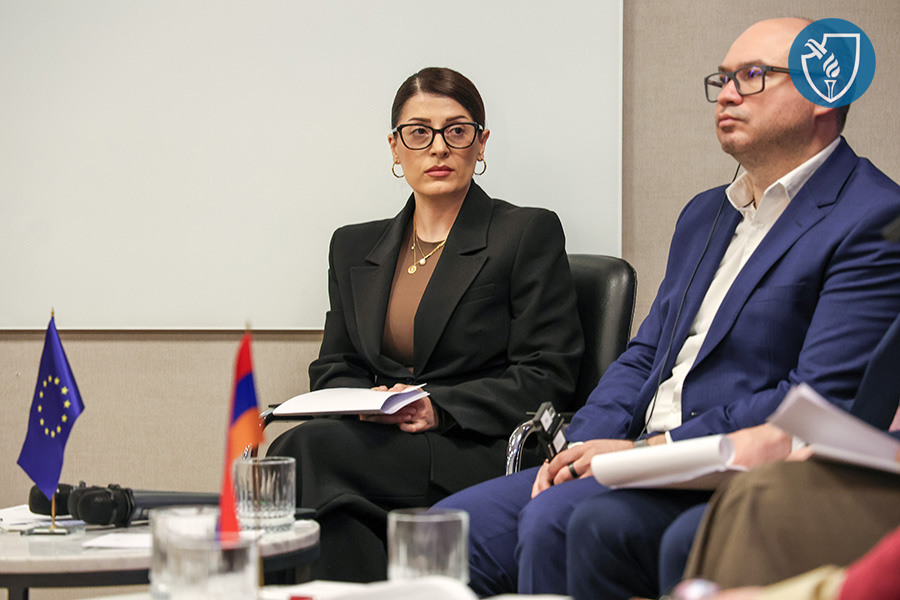
On April 15, 2026, Yerevan hosted the 8th meeting of the EU-Armenia Civil Society Platform. The event brought together representatives from state bodies, European institutions, and civil society to discuss key areas of bilateral cooperation.
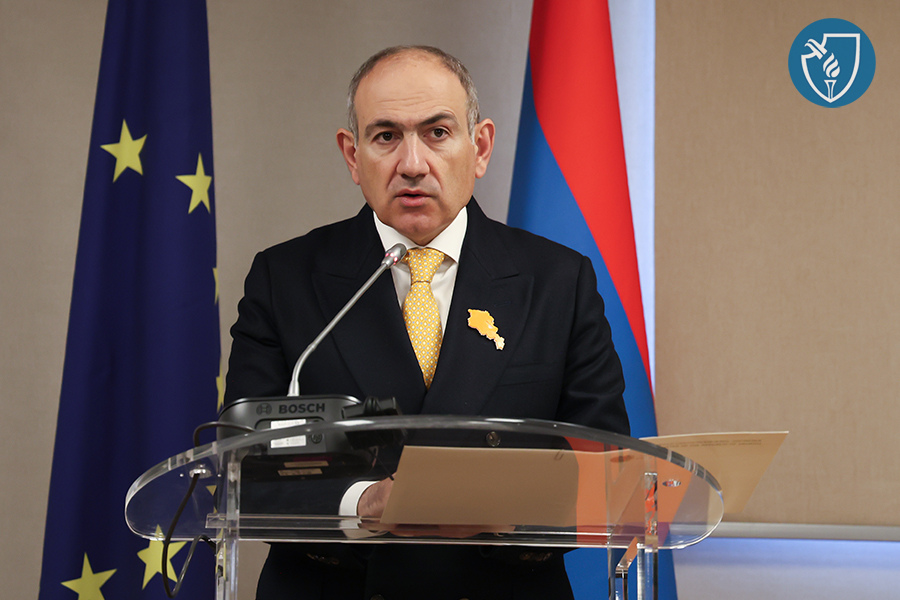
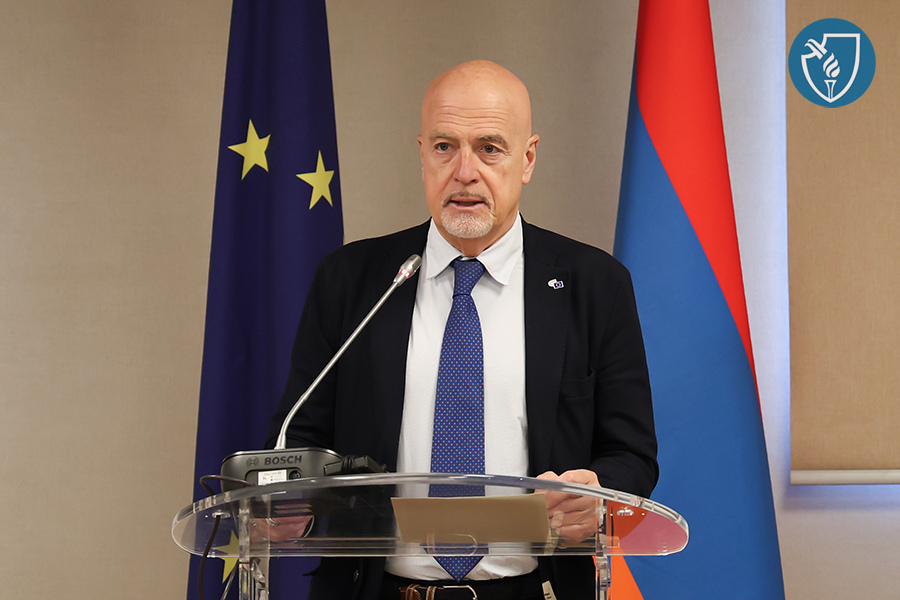
Opening remarks were delivered by Lusine Hakobyan, President of the “Europe in Law Association” NGO and Co-Chair of the EU-Armenia Civil Society Platform; Dumitru Fornea, Member of the European Economic and Social Committee (EESC) and Co-Chair of the Platform; Stefano Palmieri, President of the EESC’s External Relations Section; and Nikol Pashinyan, Prime Minister of Armenia. In his speech, the Prime Minister emphasized the vital role of civil society and the necessity of cooperation with the state.
During the session titled “Implementation of the Comprehensive and Enhanced Partnership Agreement (CEPA) and Monitoring of Commitments within the EU-Armenia High-Level Dialogue,” speeches were delivered by Armenia’s Deputy Prime Minister Mher Grigoryan, EU Commissioner for Neighborhood and Enlargement Marta Kos (via video message), and Ambassador Vassilis Maragos, Head of the EU Delegation to Armenia.
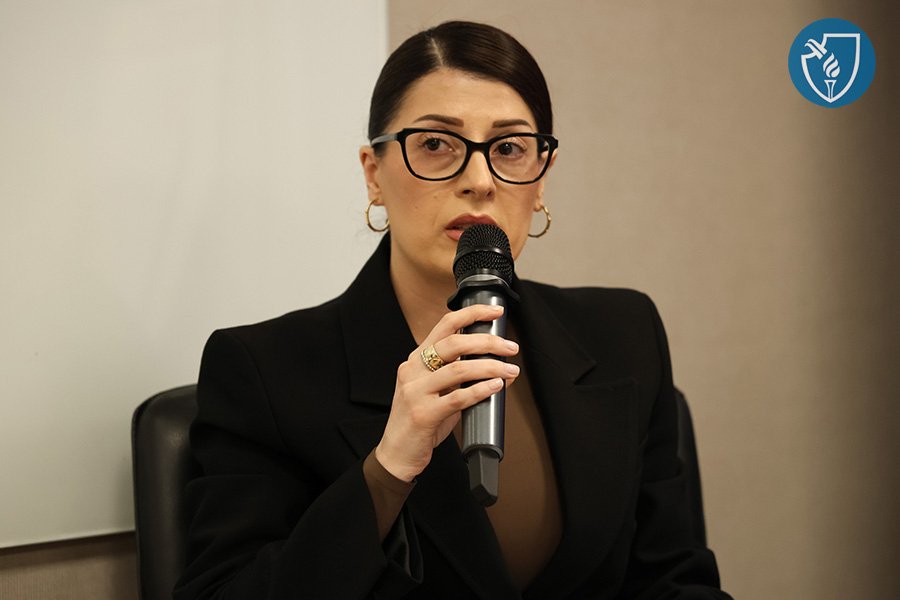
Several panel discussions were held during the meeting. The first focused on cooperation between civil society, the EU, its member states, and the Armenian government in implementing justice sector reforms. Speakers included Srbuhi Galyan, RA Minister of Justice; Syuzanna Soghomonyan, Projects Coordinator at the “Armenian Lawyers’ Association” NGO; Carlos Gomez Del Tronco, Head of the “Fair Europe” Program at the European Policy Institute; and Oleg Roibu, Member of the EESC Employers’ Group.
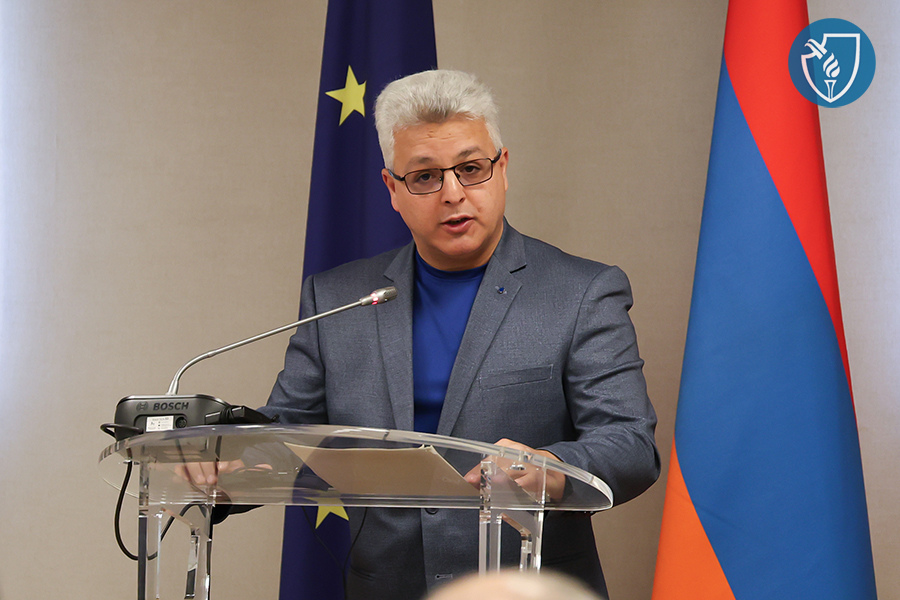
In her remarks, Syuzanna Soghomonyan noted that state-civil society cooperation in Armenia has gradually become more systemic and institutionalized, calling it a significant achievement. She highlighted the role of newly formed CSO platforms and public councils attached to state bodies, emphasizing their purpose in ensuring civic participation and public oversight in policy development.
However, she observed that these councils often function within a logic of formal engagement rather than ensuring real impact. She stressed the need to involve organizations based on clear criteria and professional capacity, as well as the importance of enhancing the effectiveness of public councils.
Soghomonyan also addressed the capacity building of CSOs, noting the lack of a comprehensive state strategy and the fragmented, short-term nature of current initiatives. While acknowledging the tangible results of international support—specifically from the EU—she pointed out the need for more transparent and predictable approaches from certain international organizations regarding cooperation and funding. She concluded that high efficiency can only be achieved through systemic solutions and joint efforts.
Details are available in the video.
Other panel discussions covered: Strengthening democratic resilience in Armenia, and Implementation of the Visa Liberalization Action Plan; Strengthening regional security and advancing the peace process; The role of social partnership between trade unions, employers’ associations, and the government in reform implementation.
At the conclusion of the meeting, the EU-Armenia Civil Society Platform adopted a Declaration addressed to the upcoming EU-Armenia Summit.