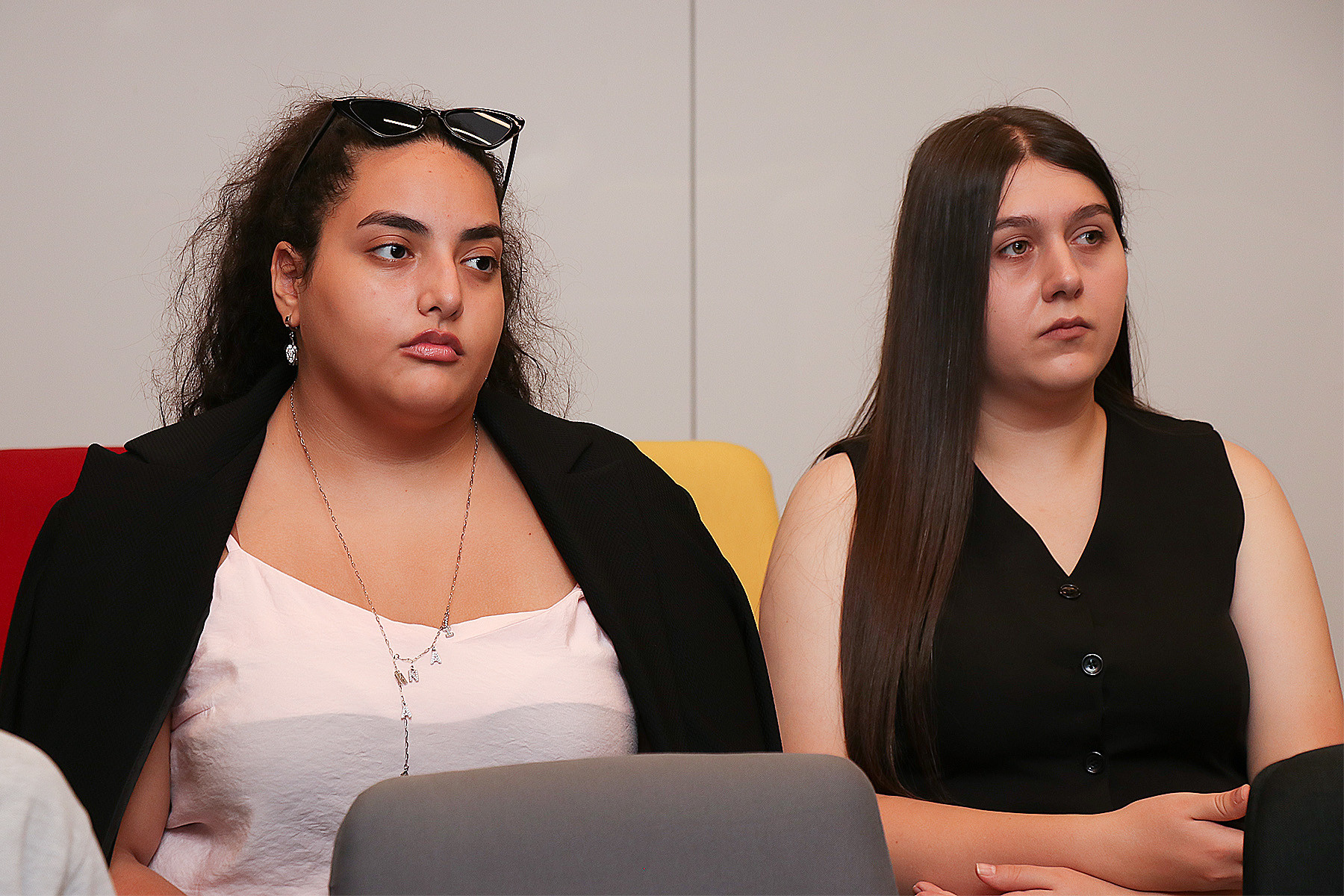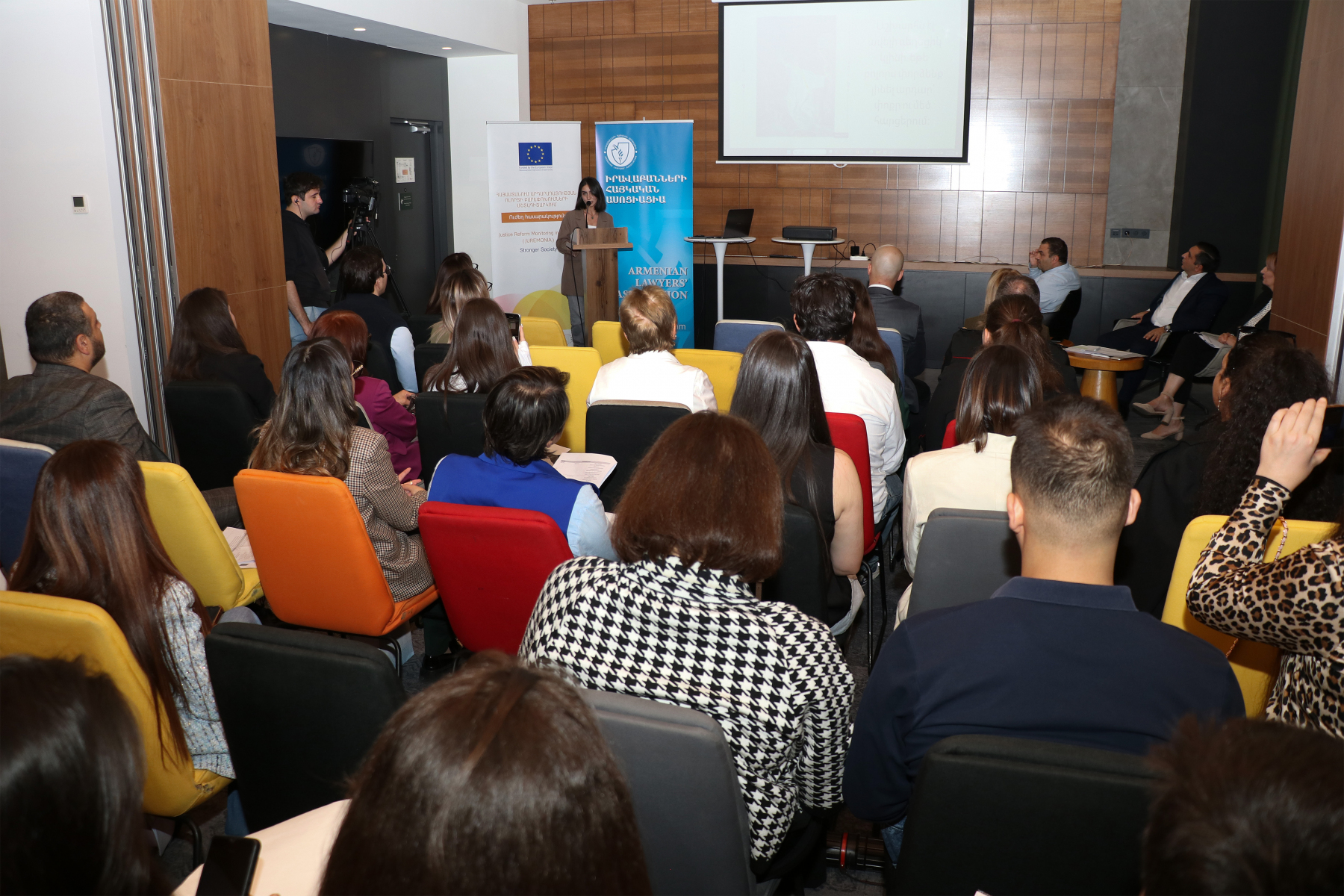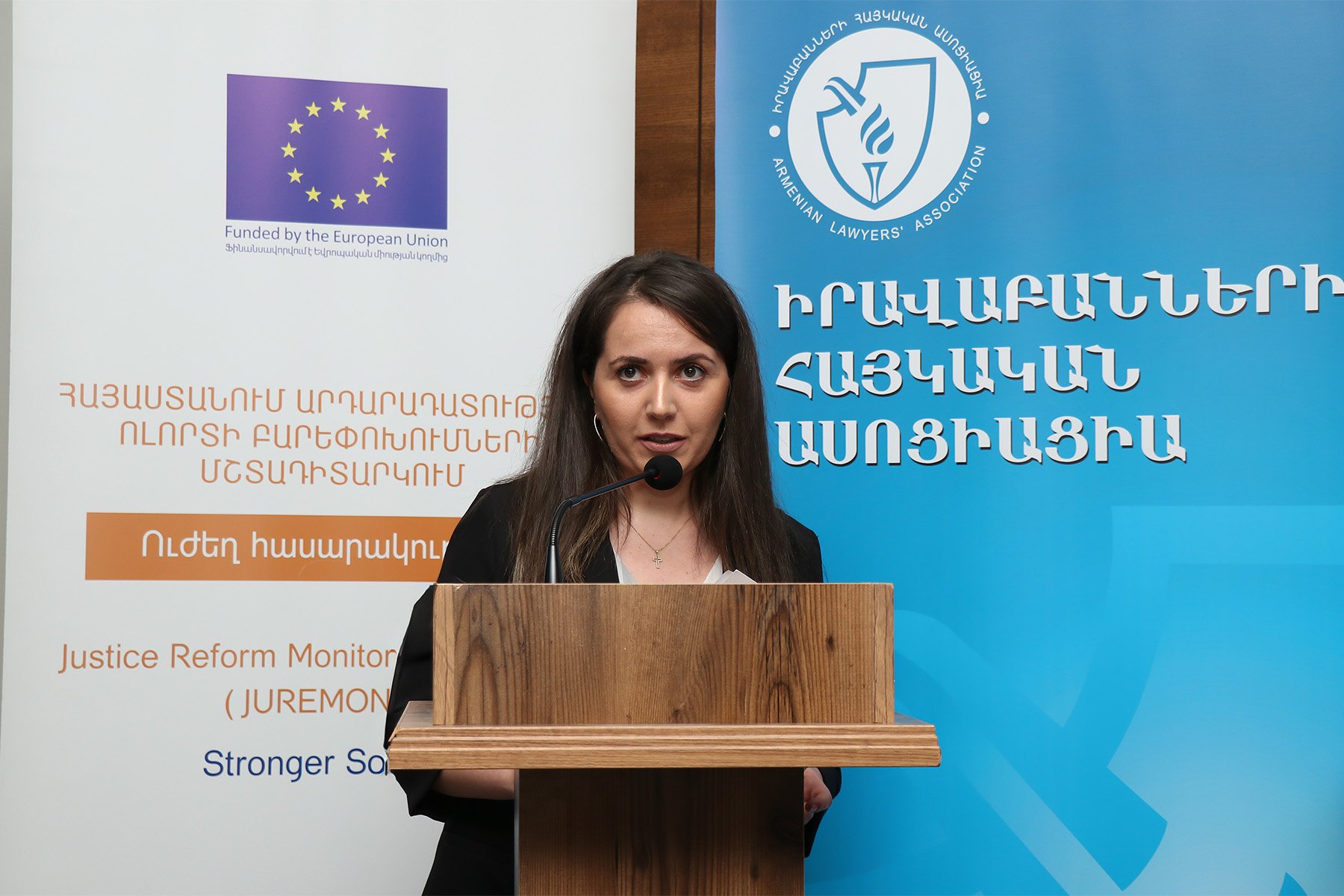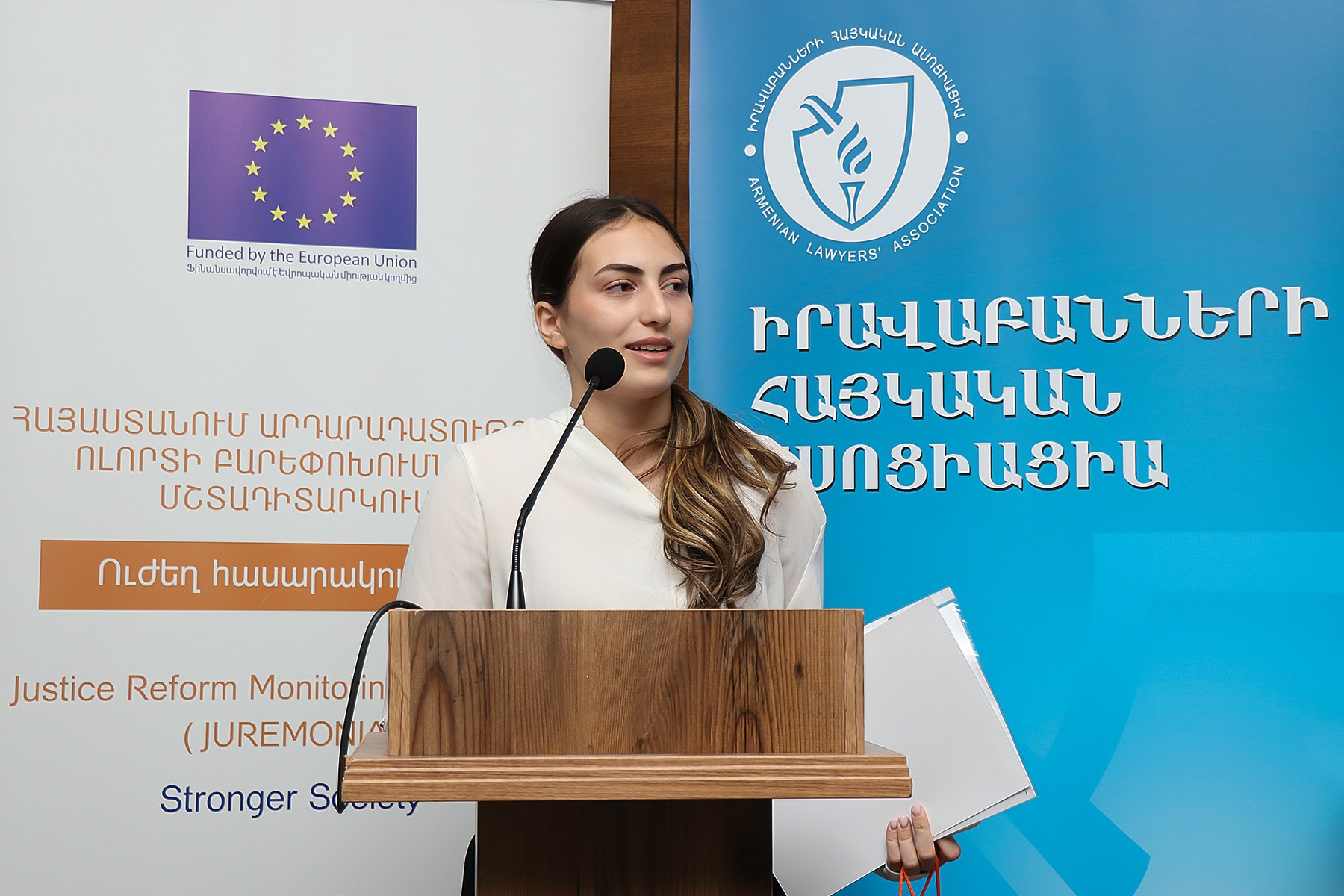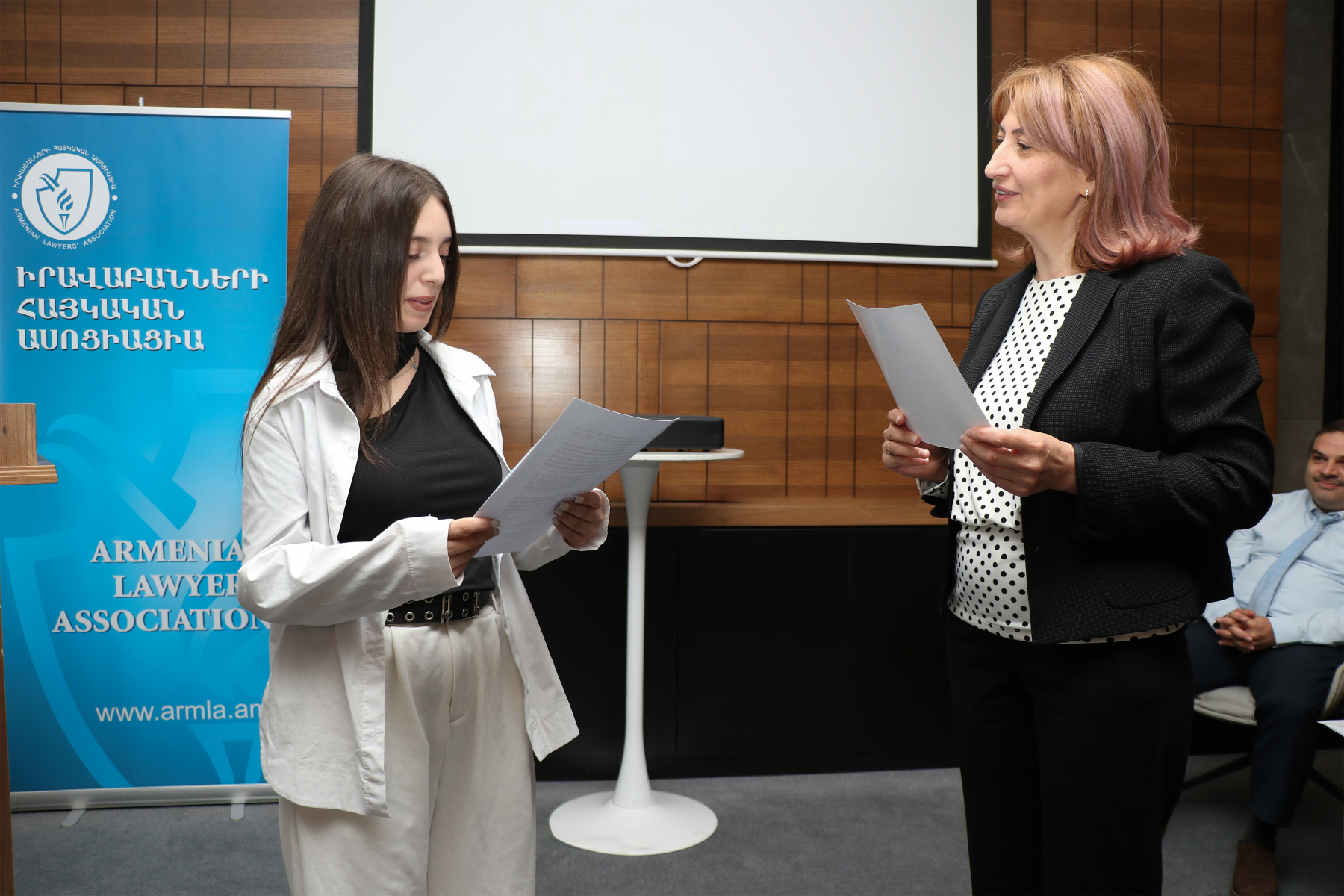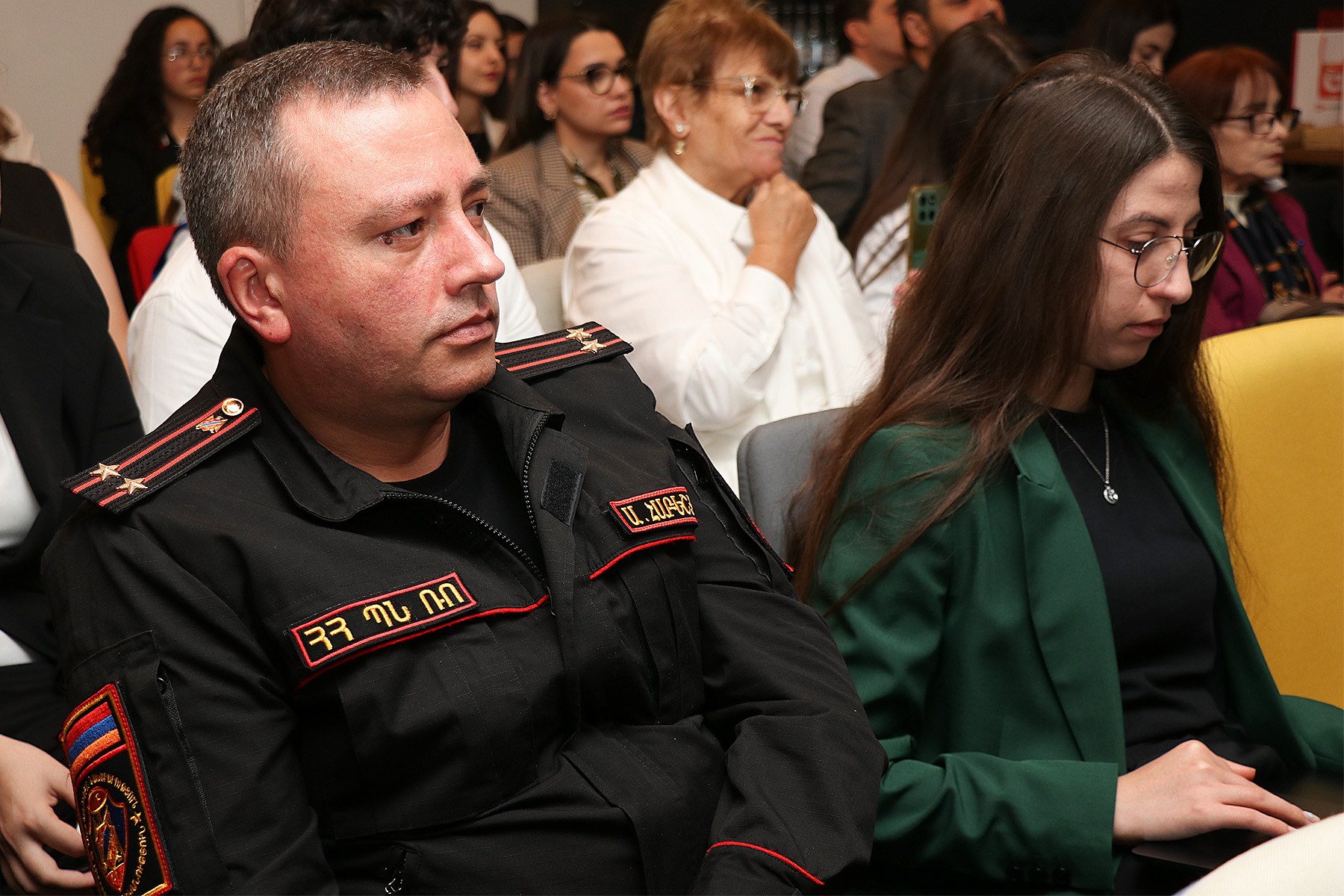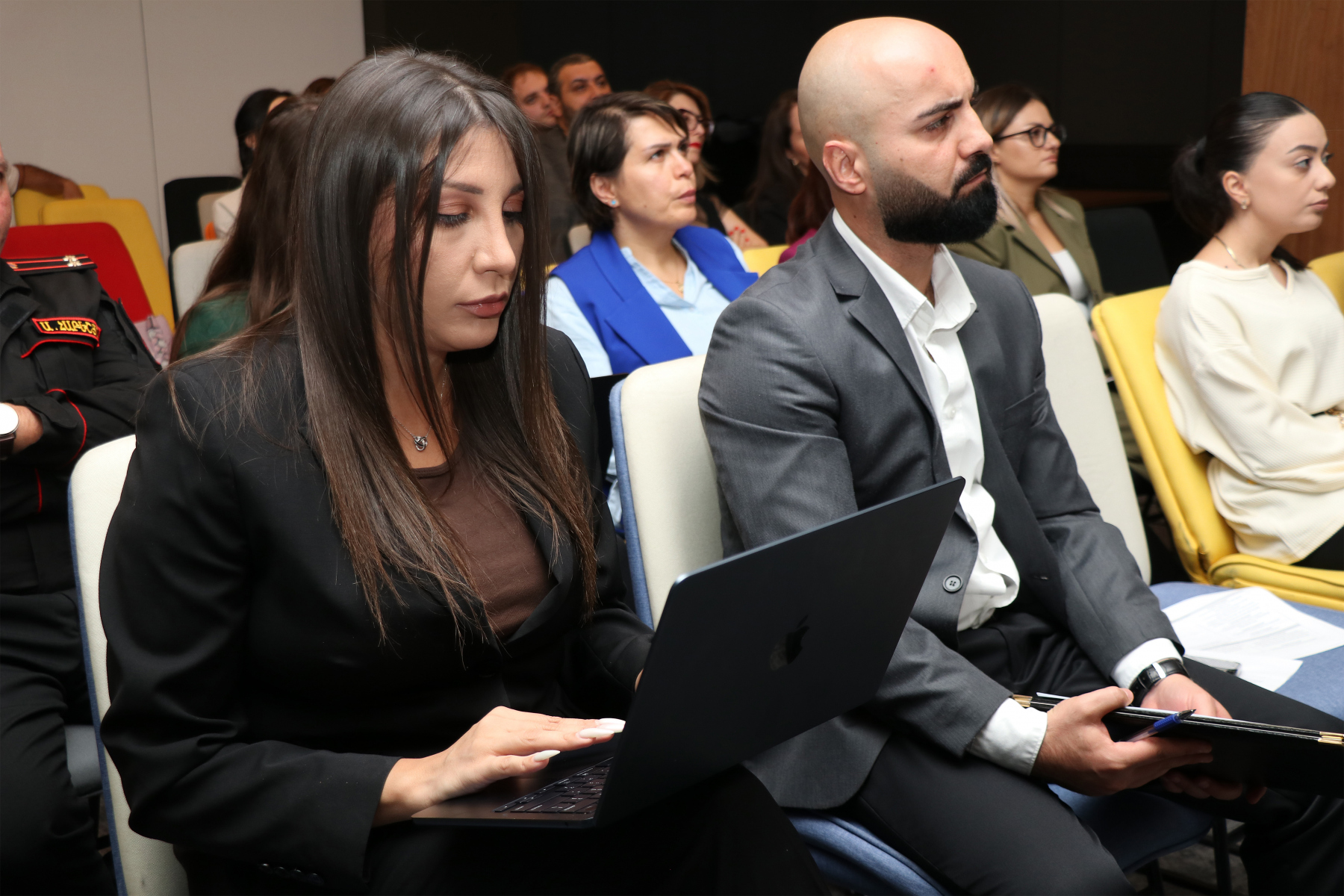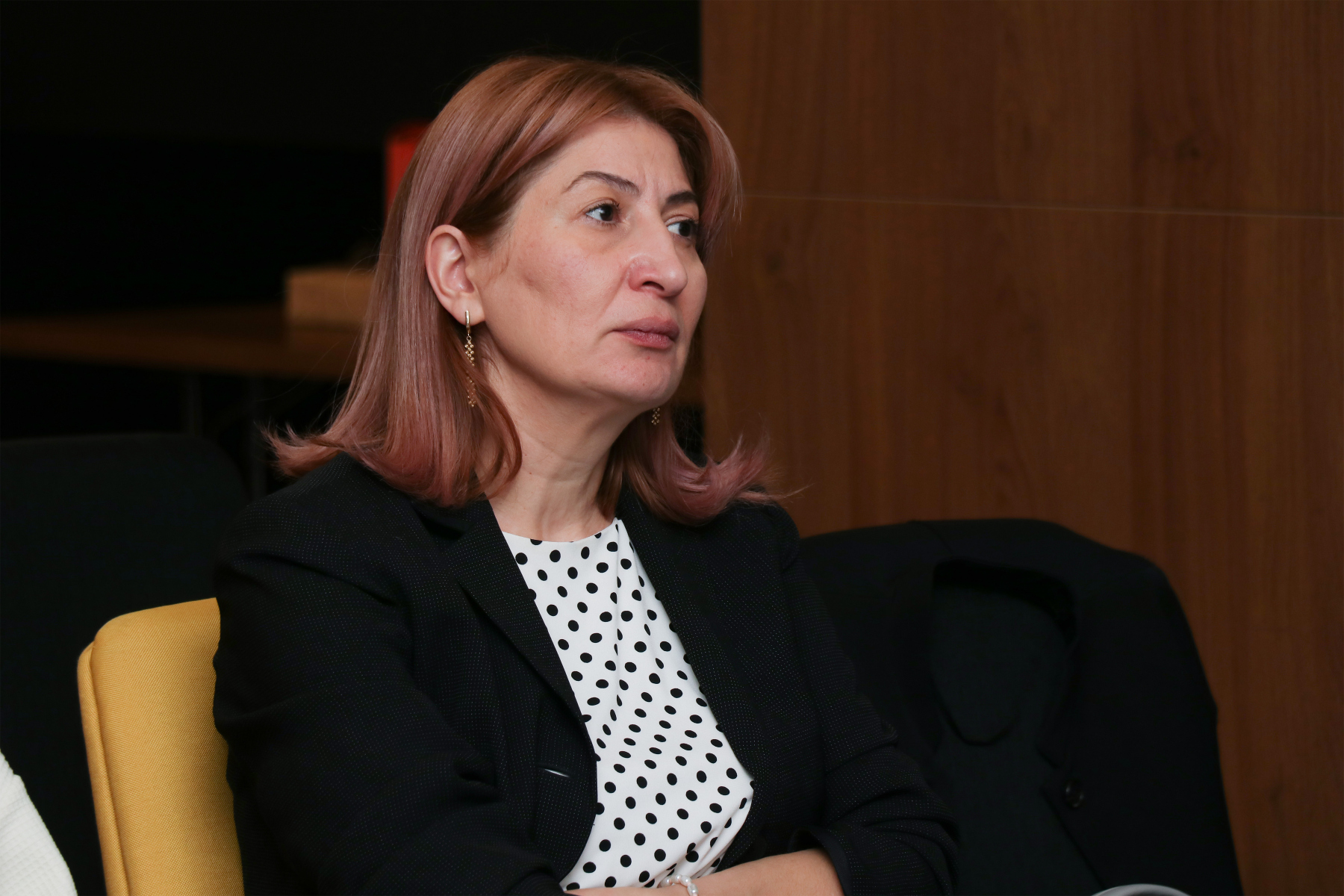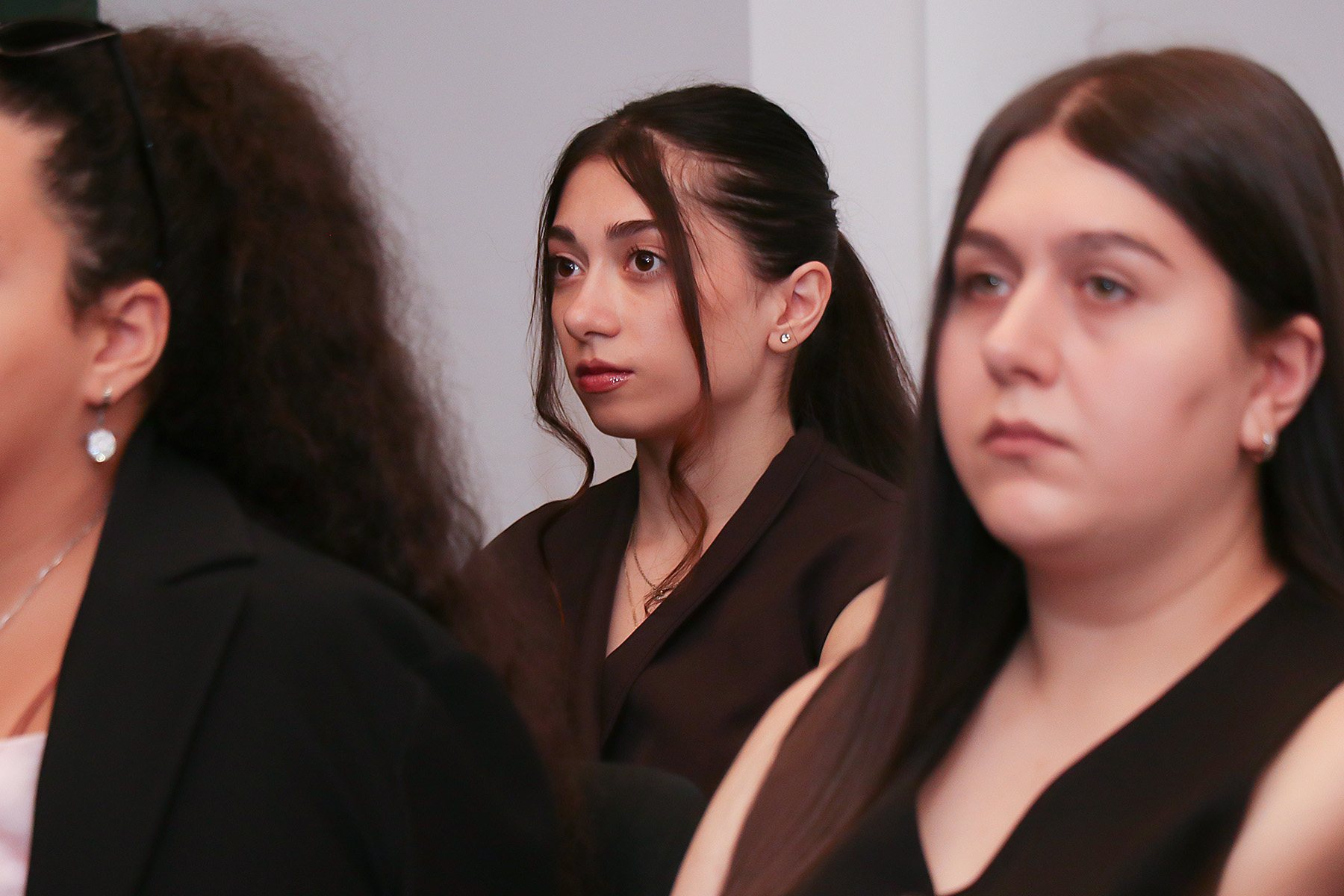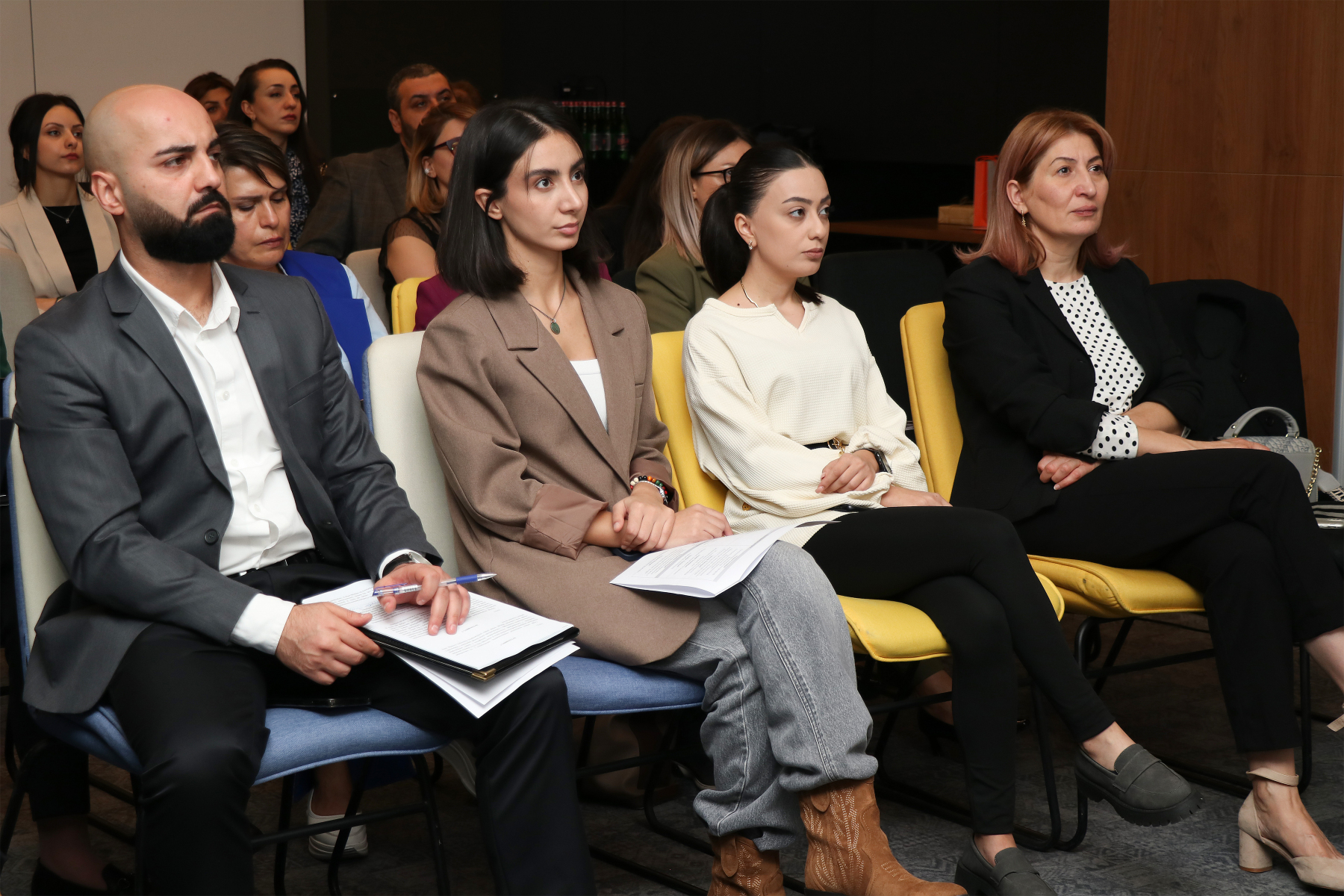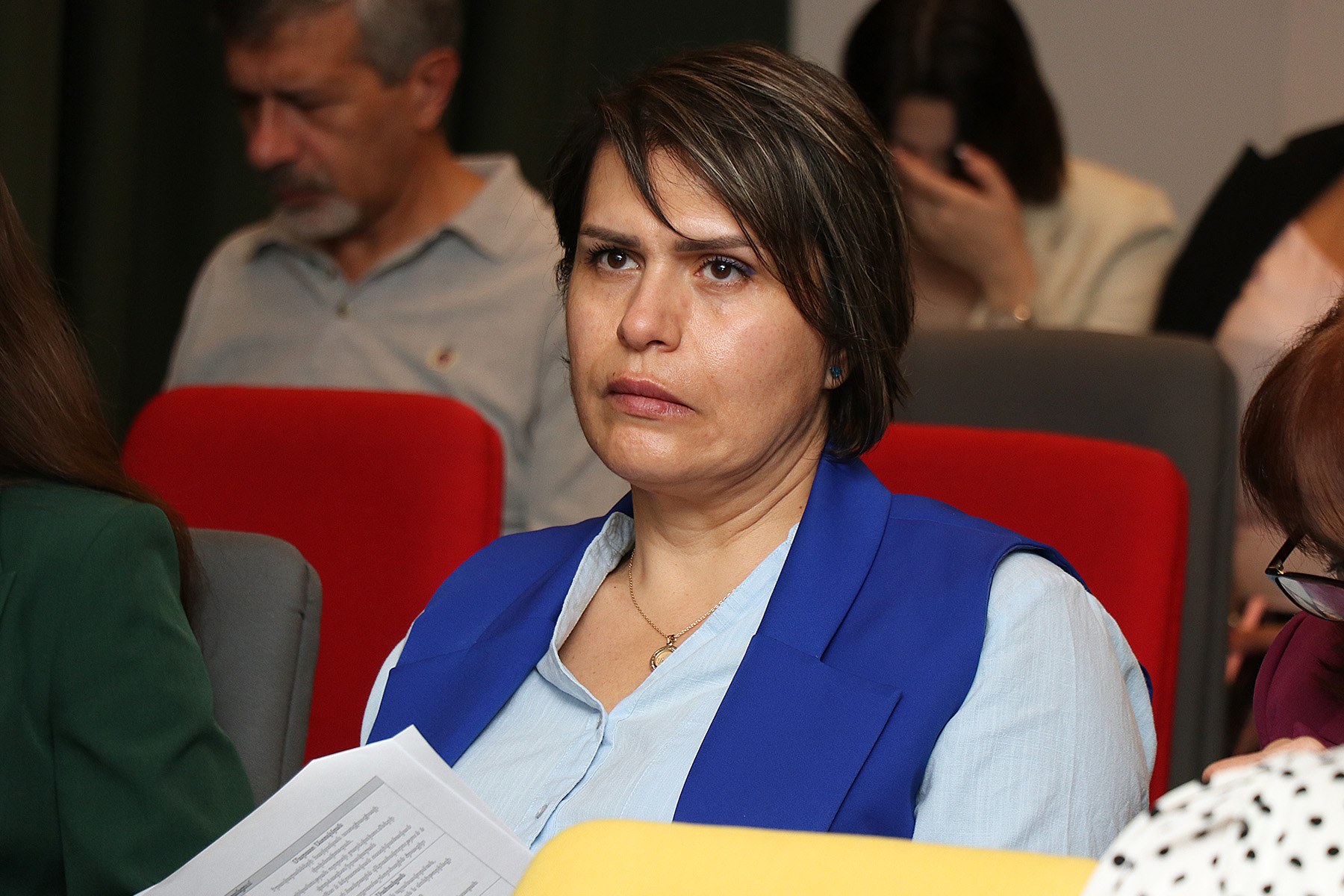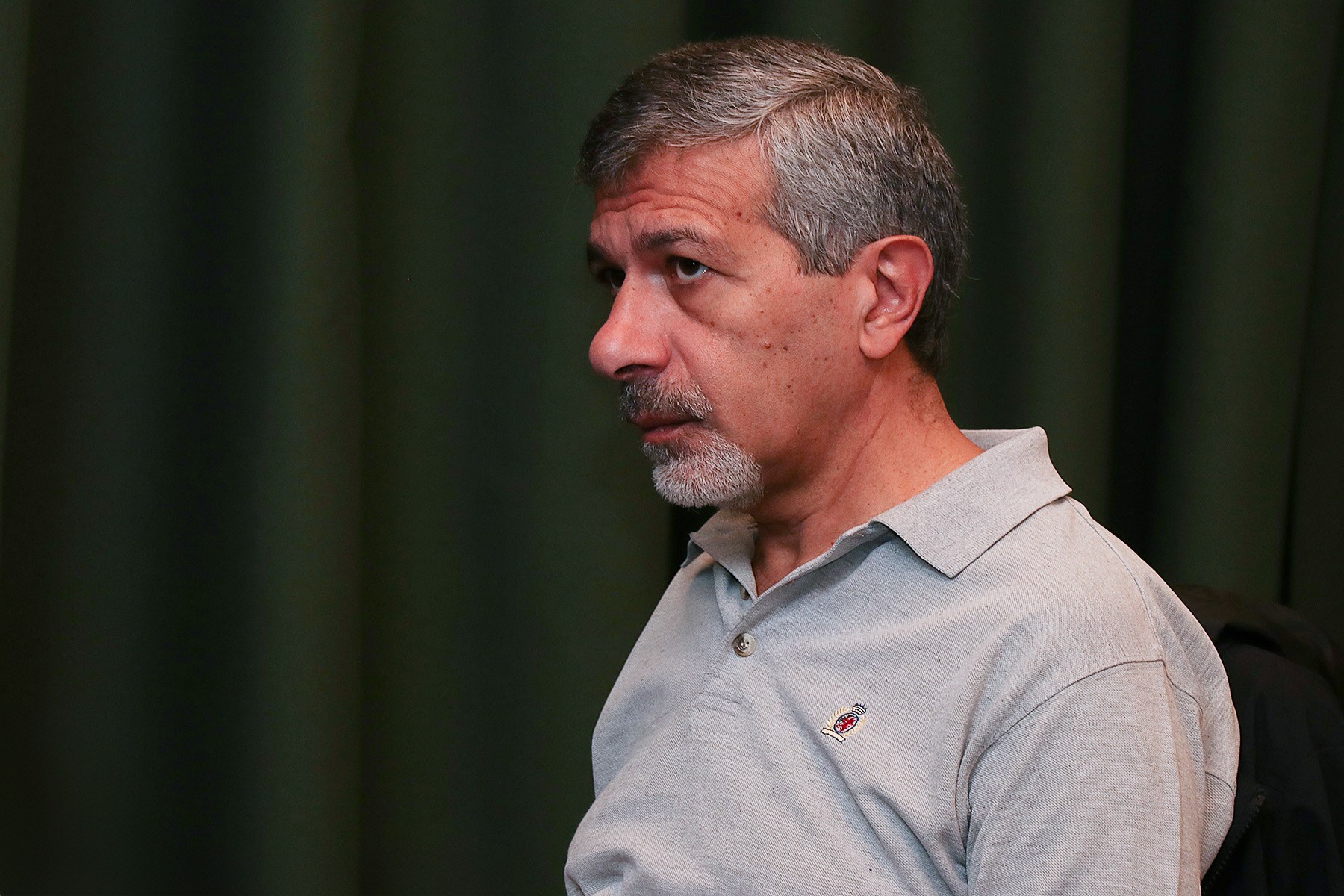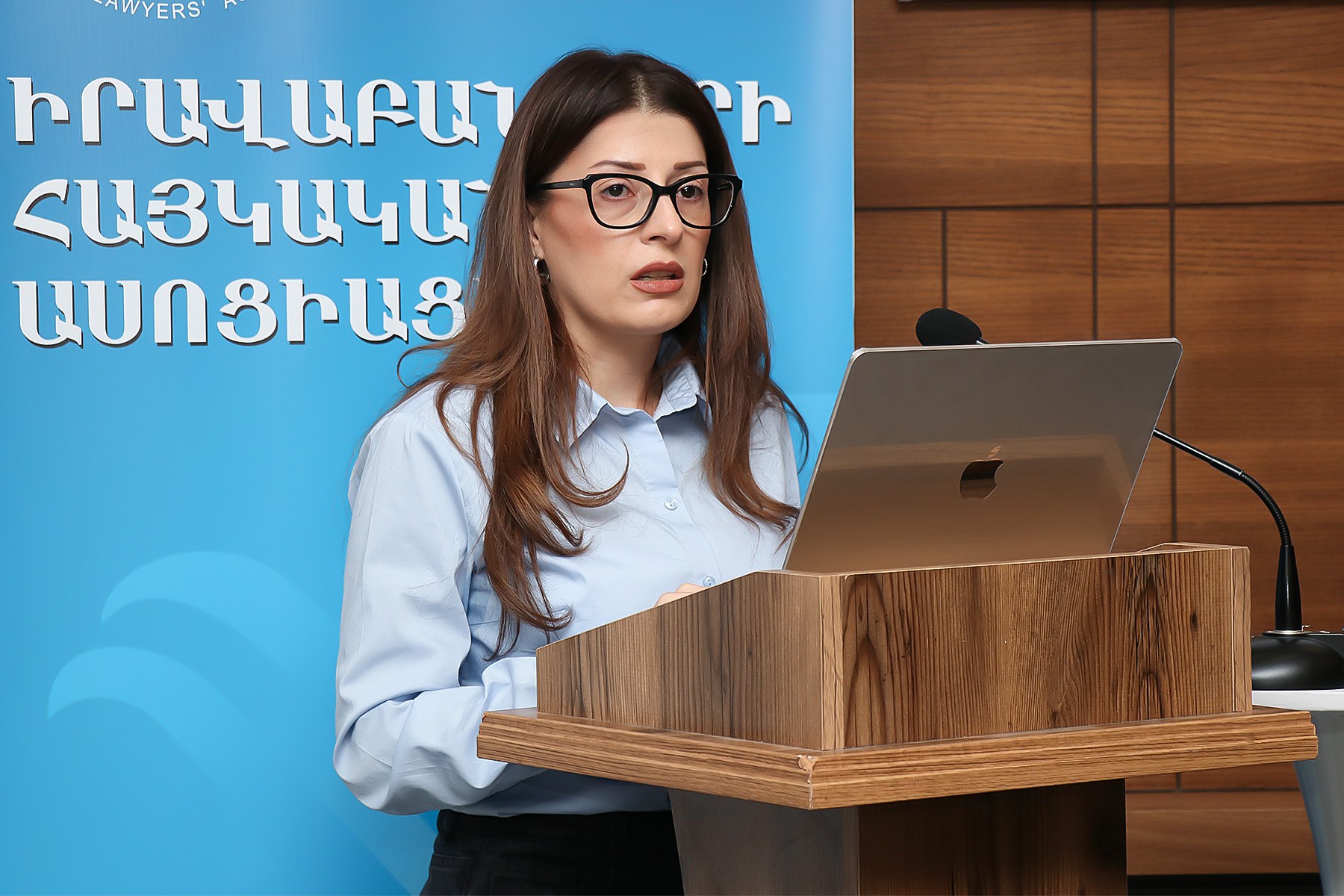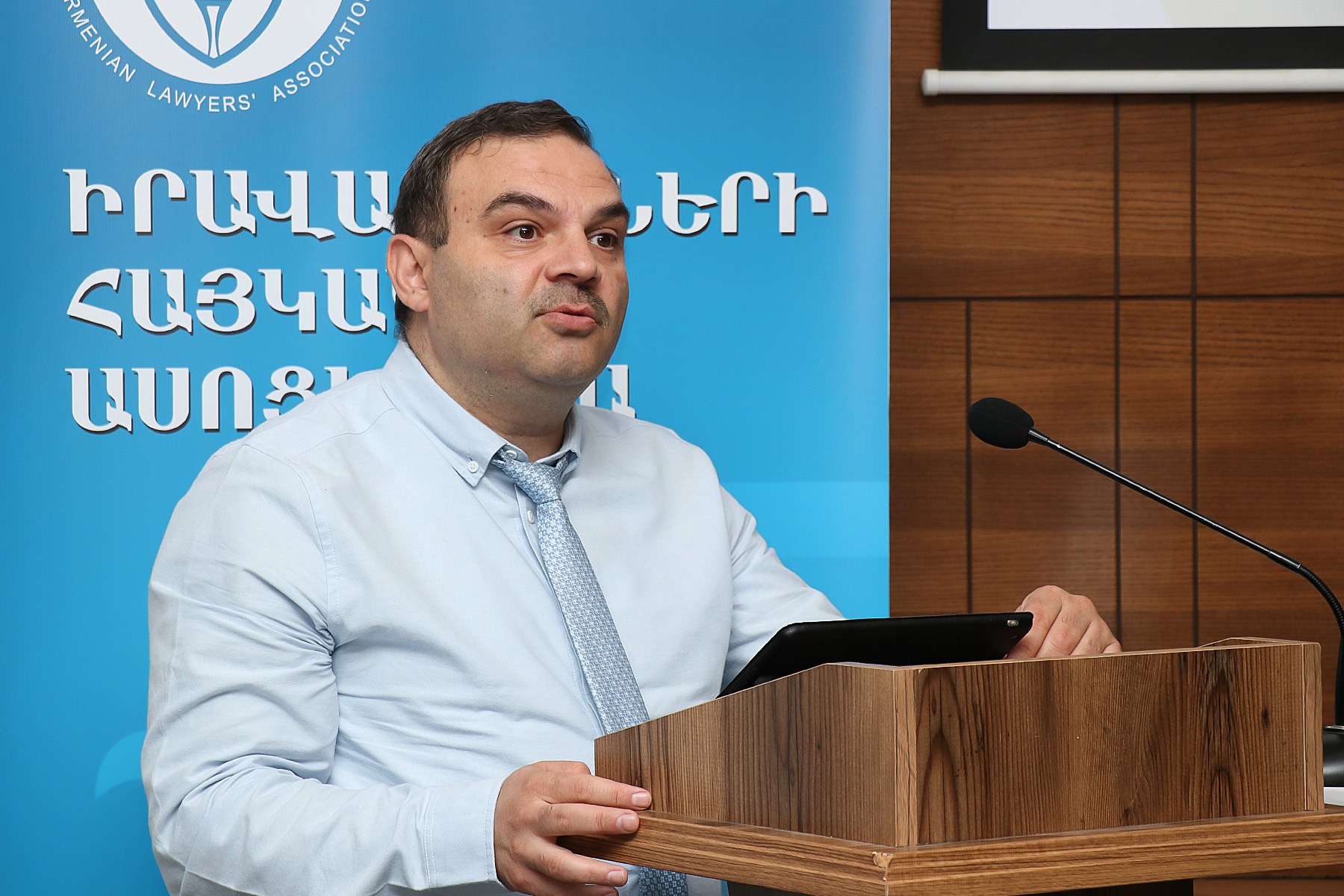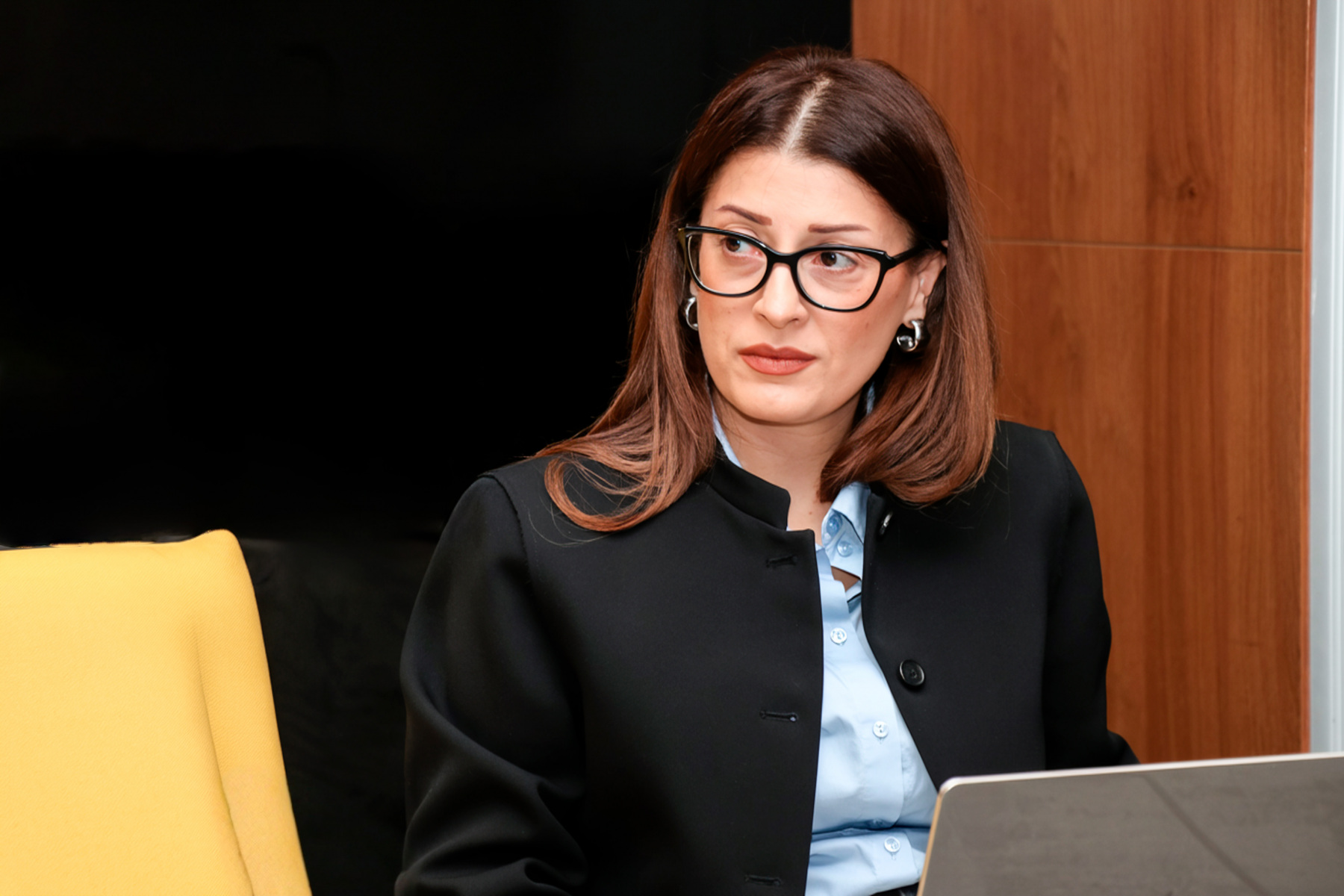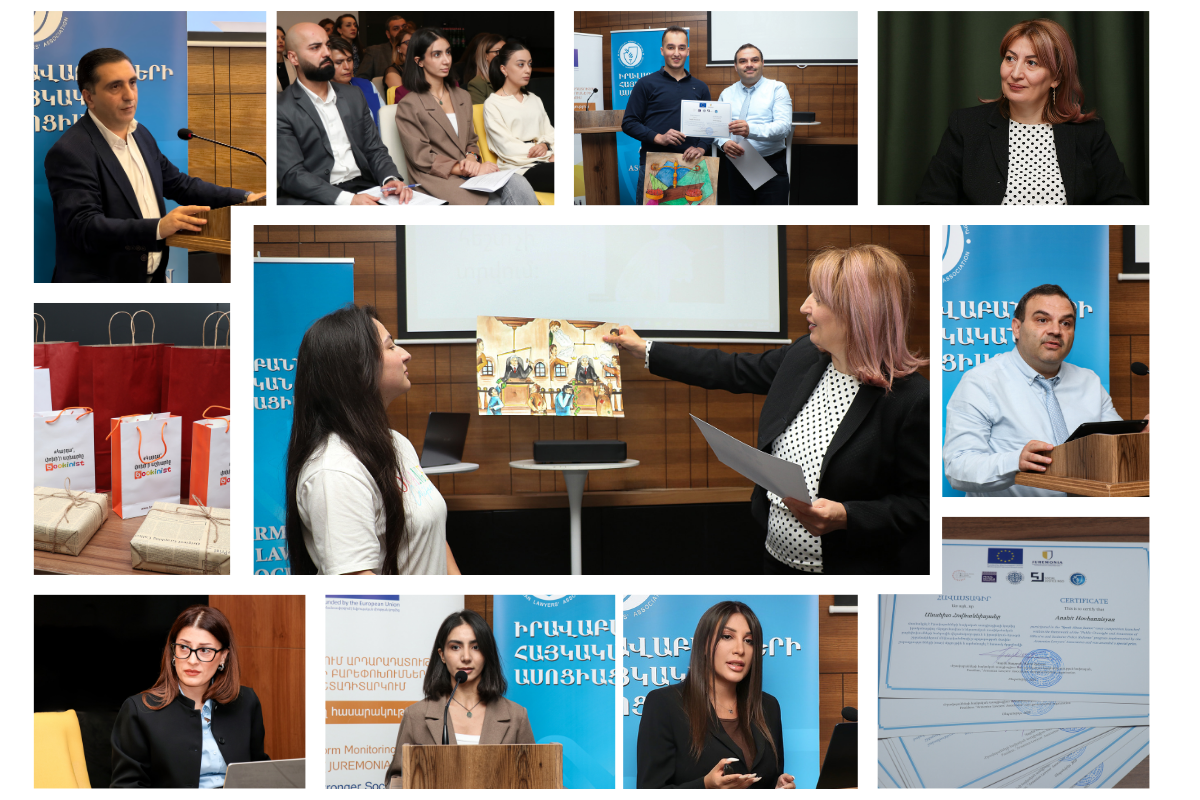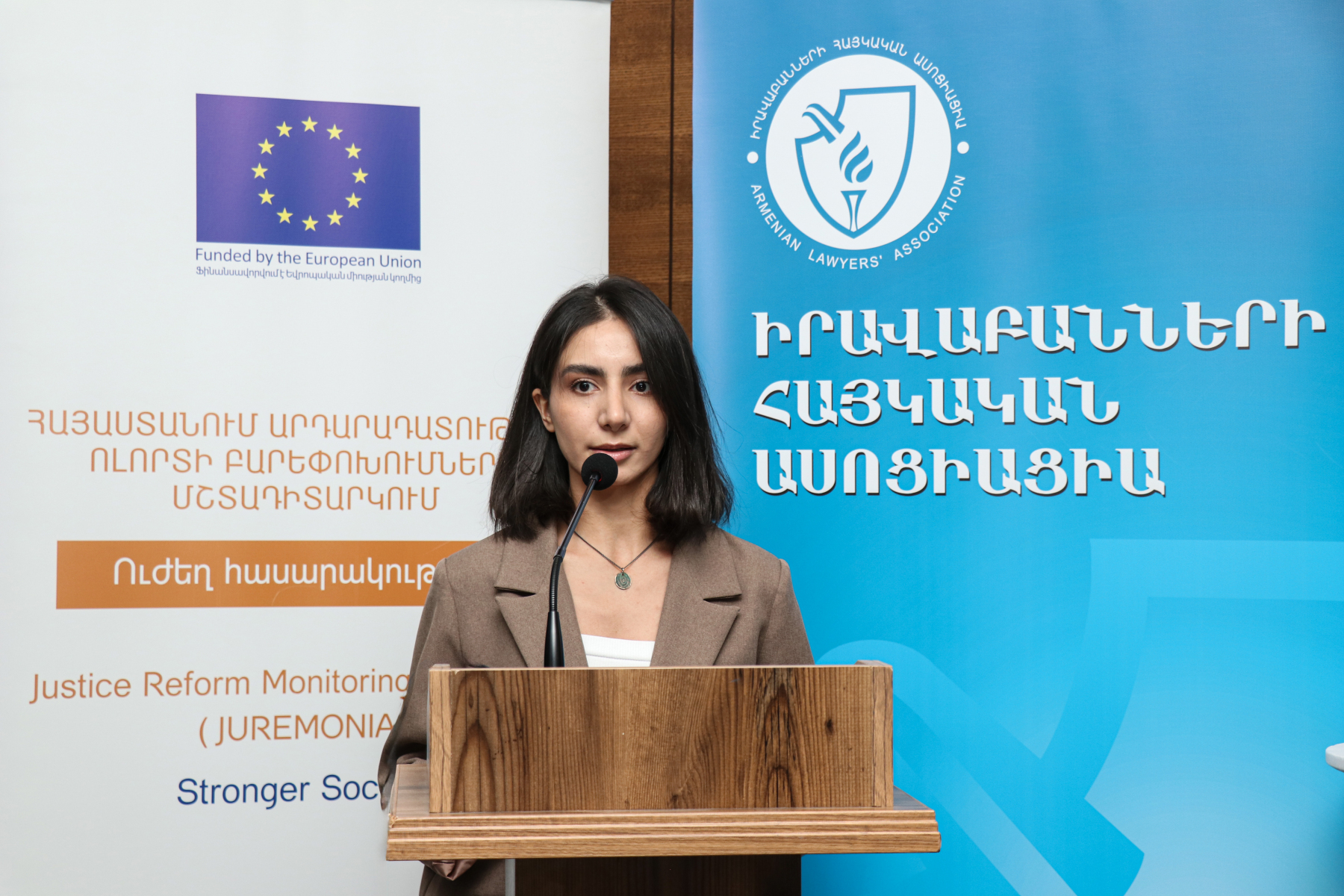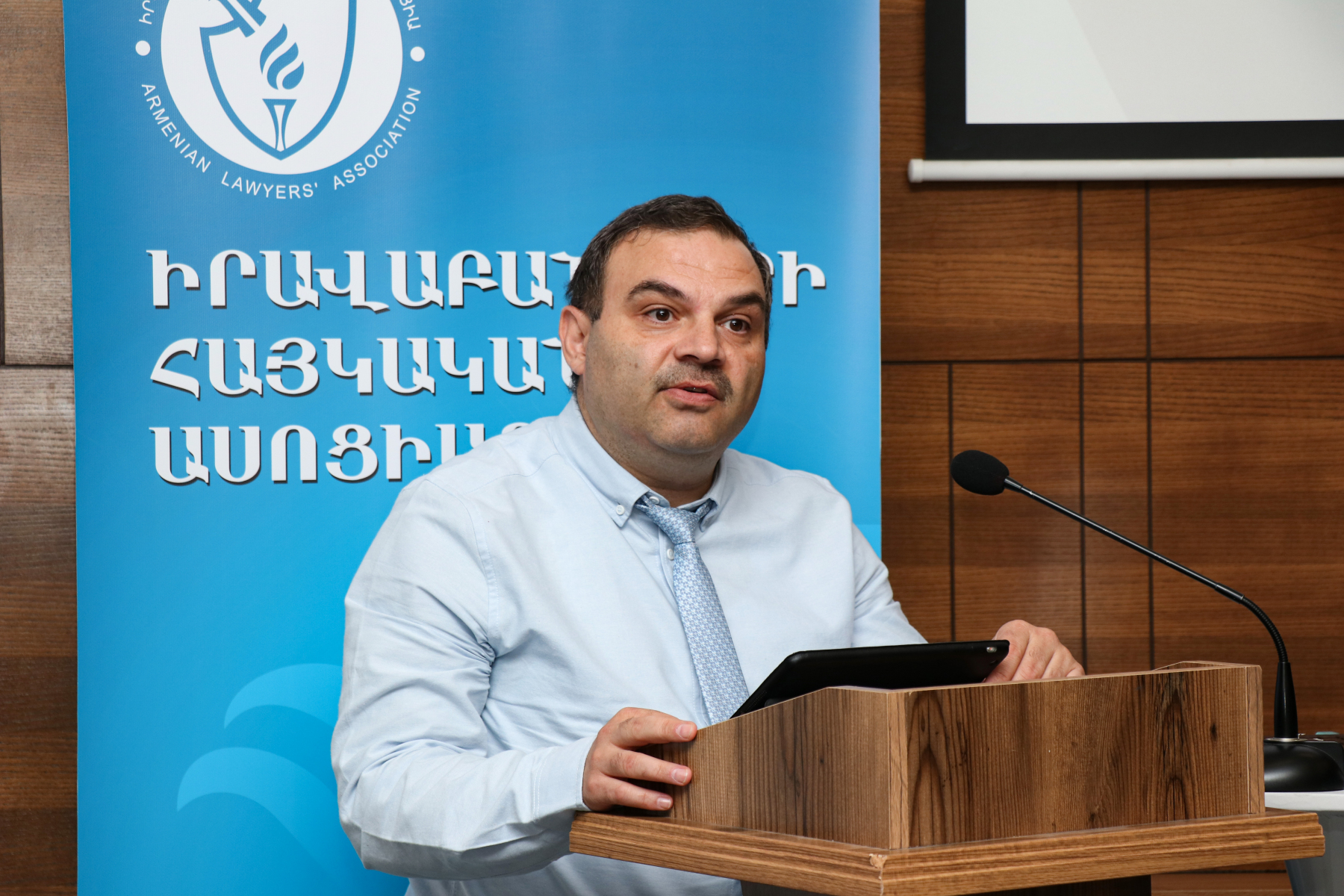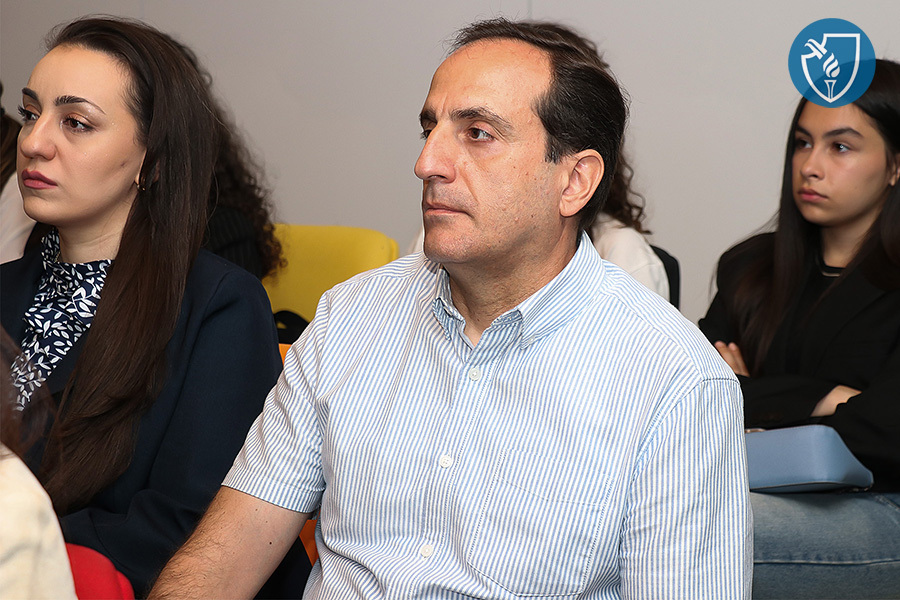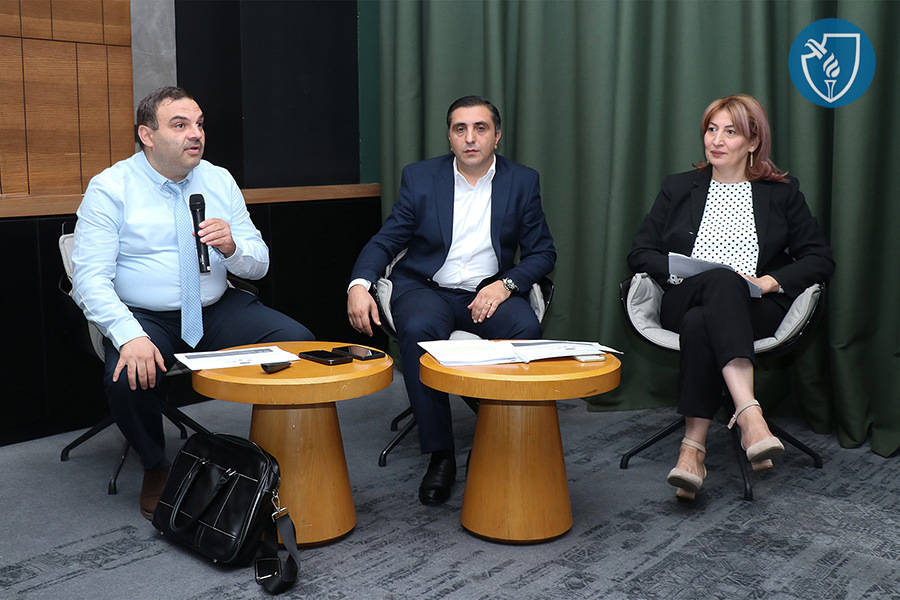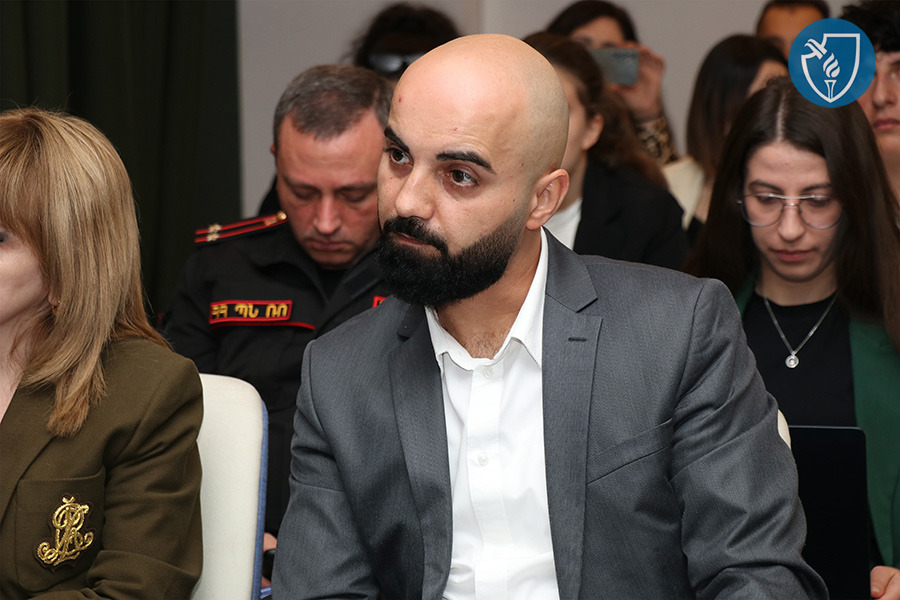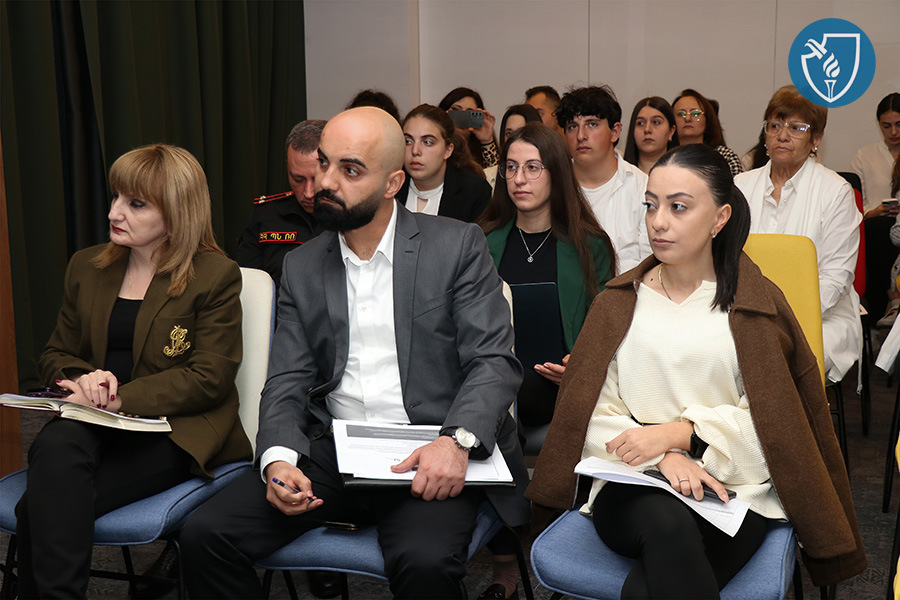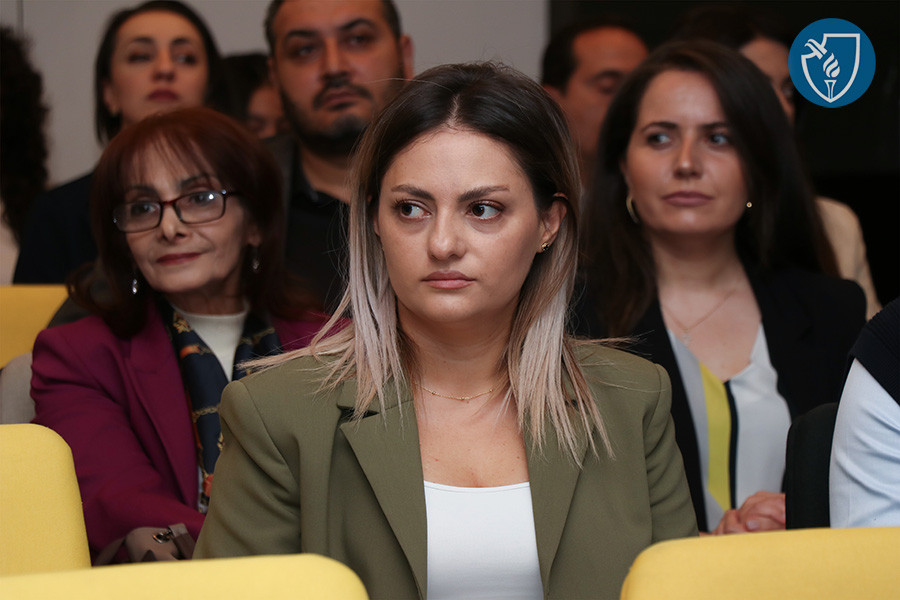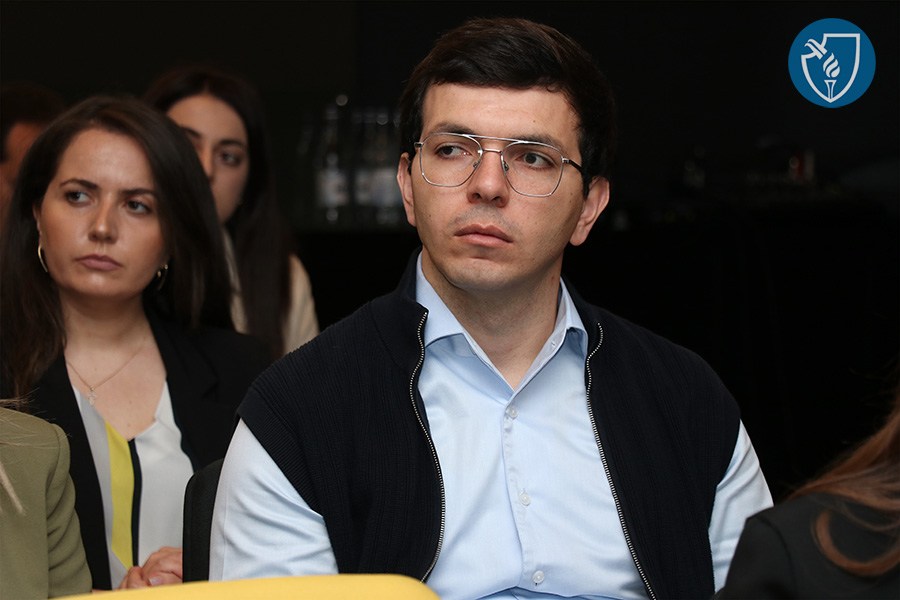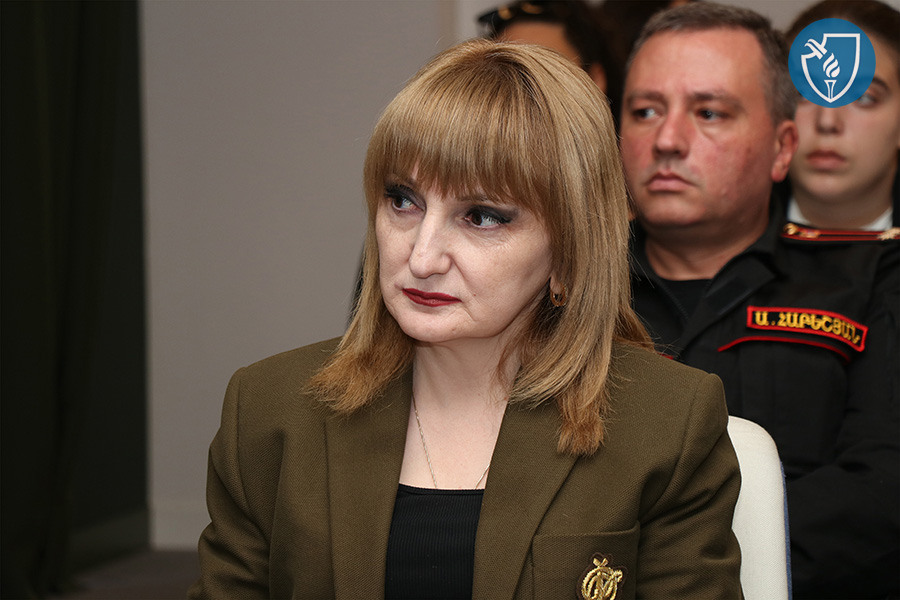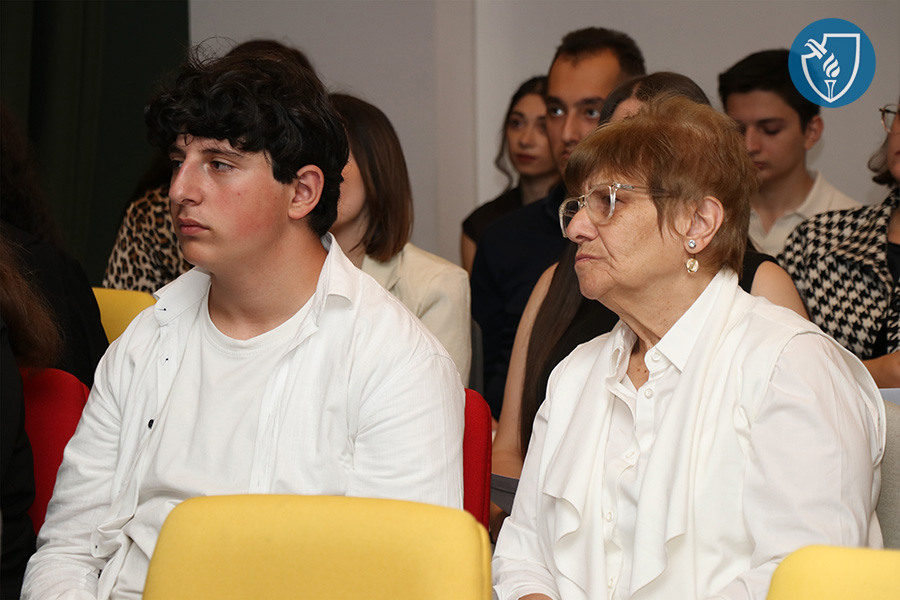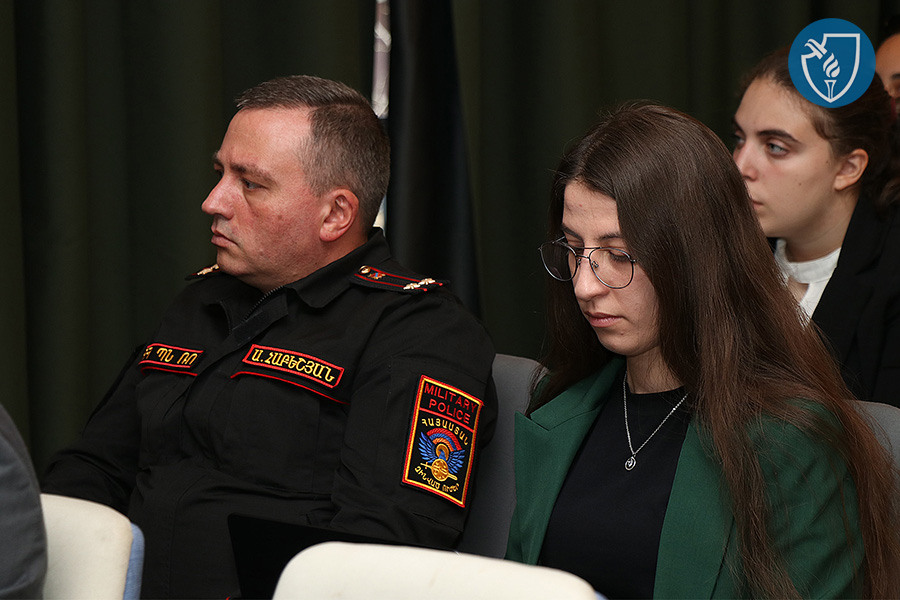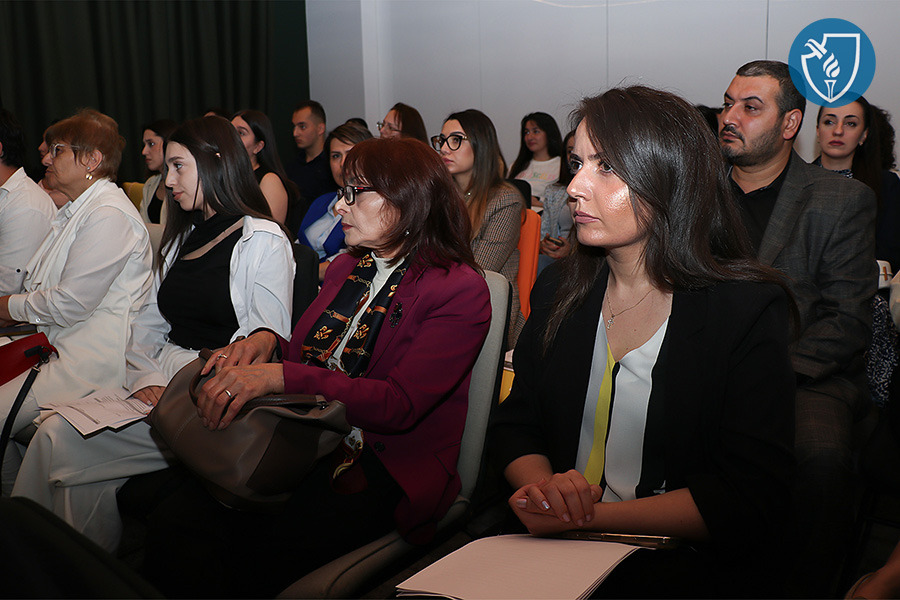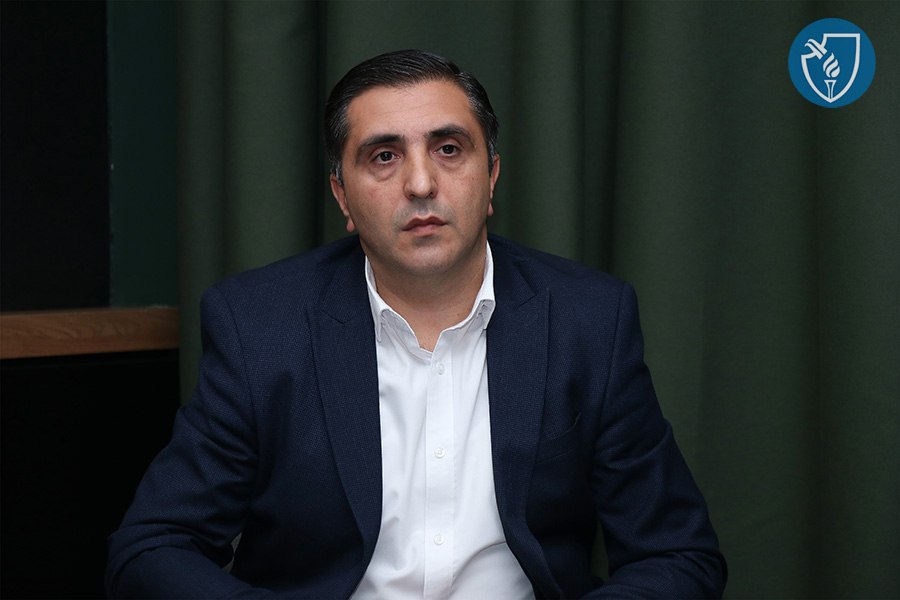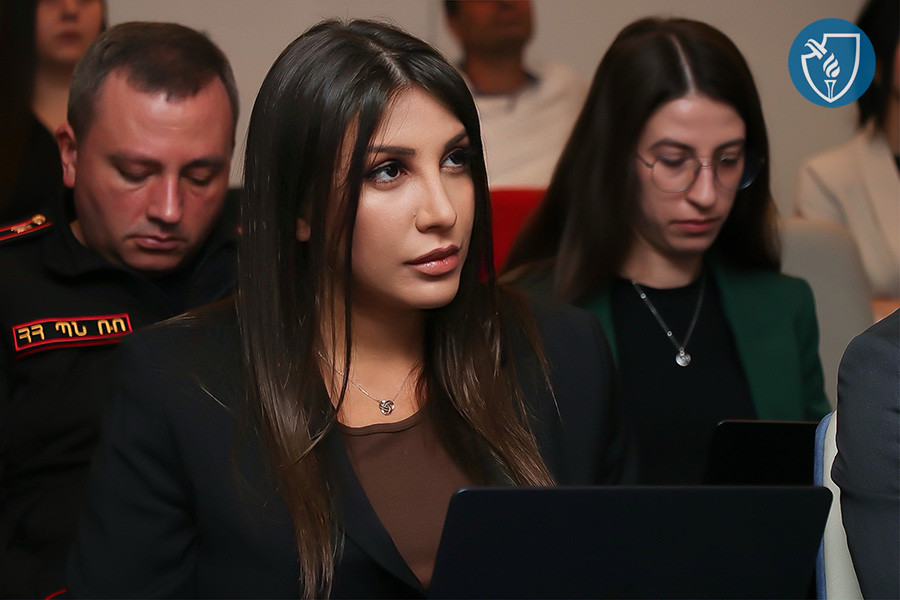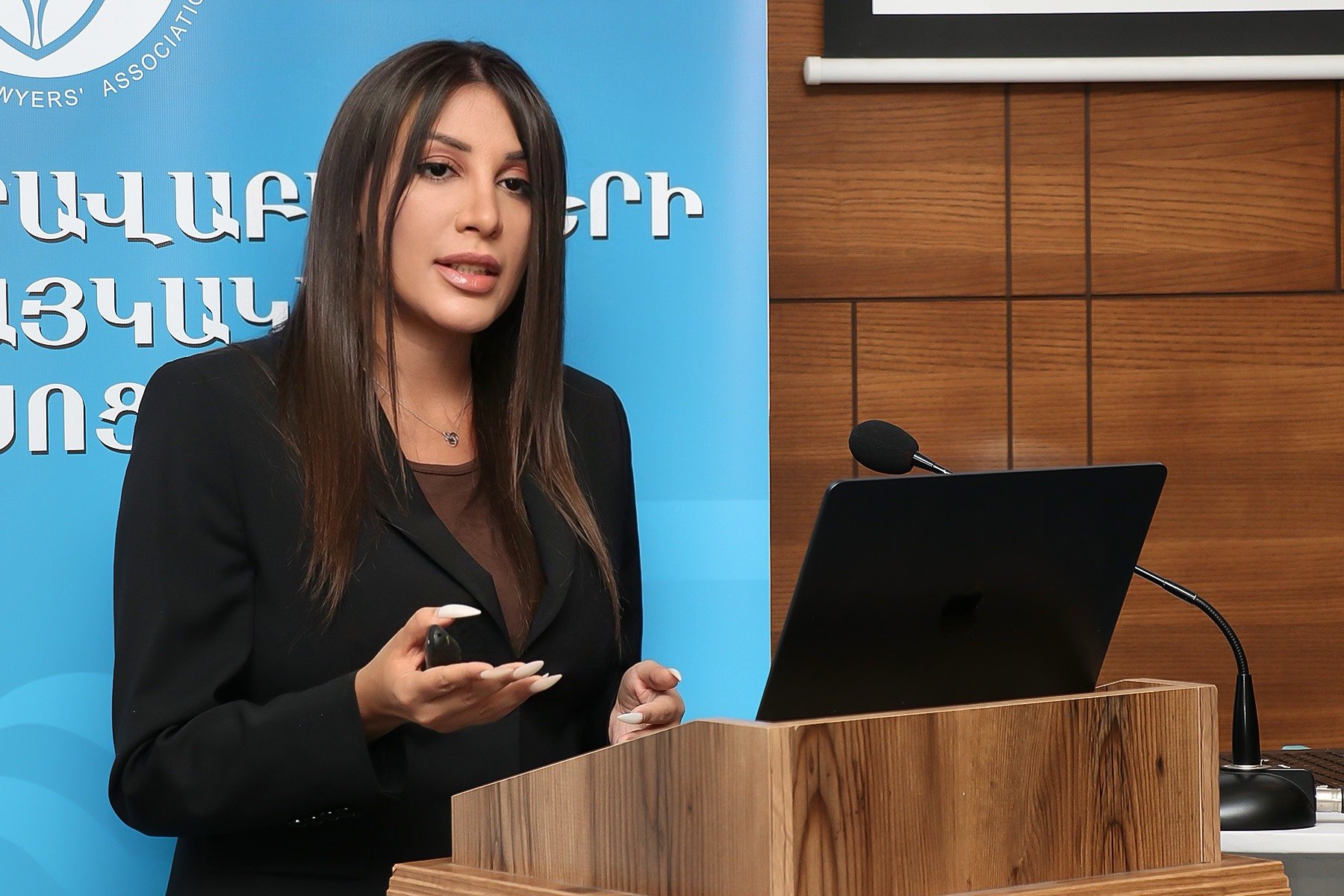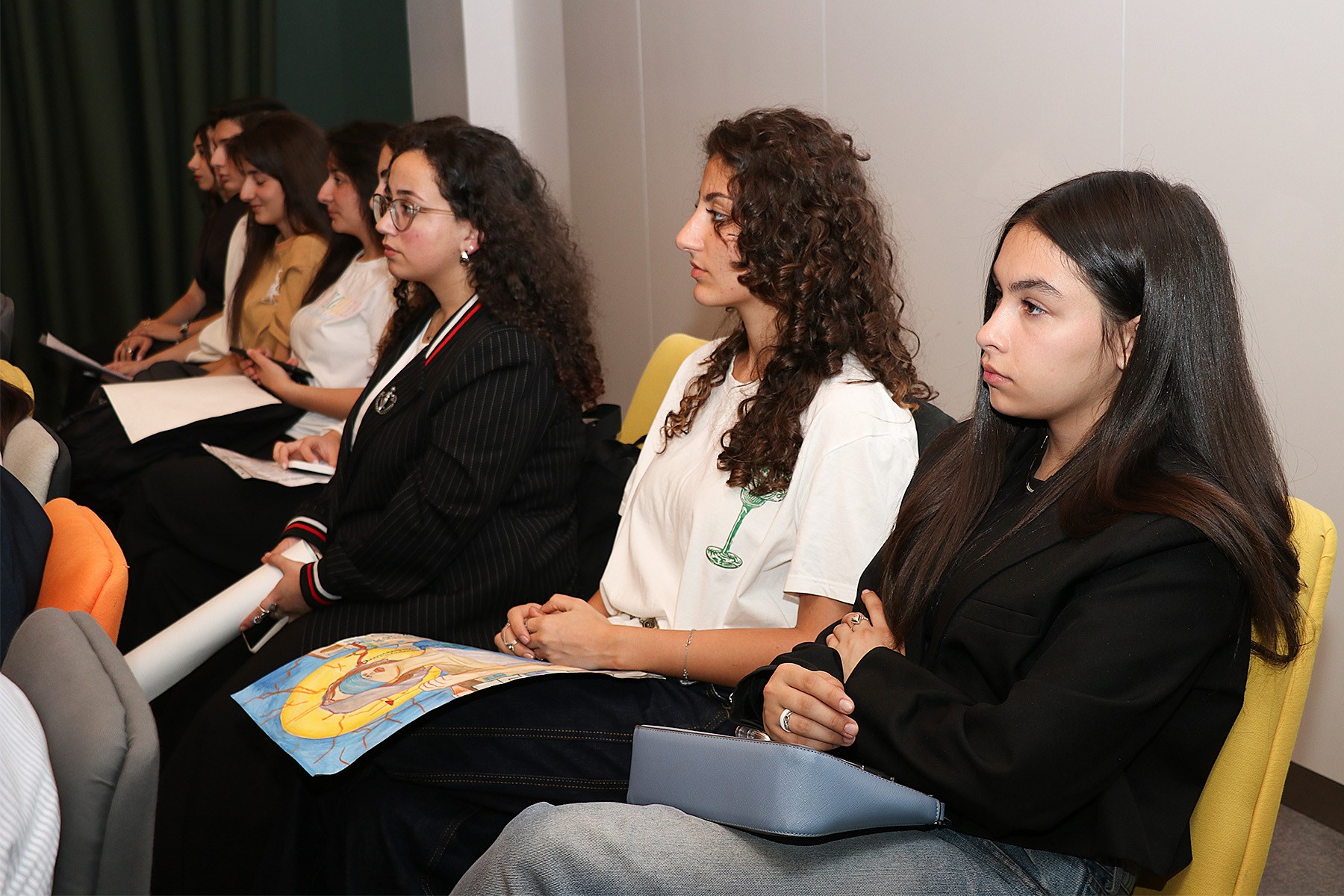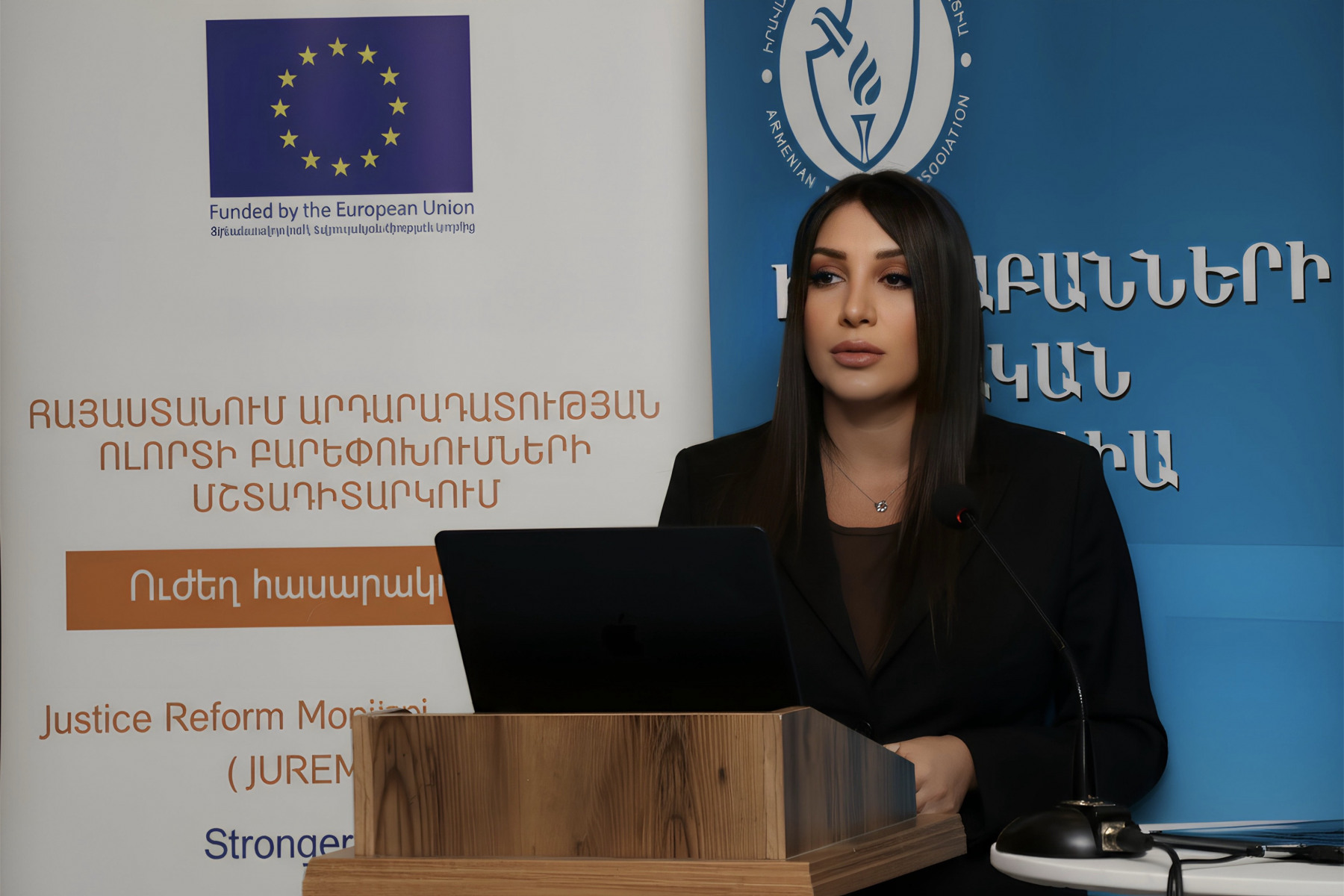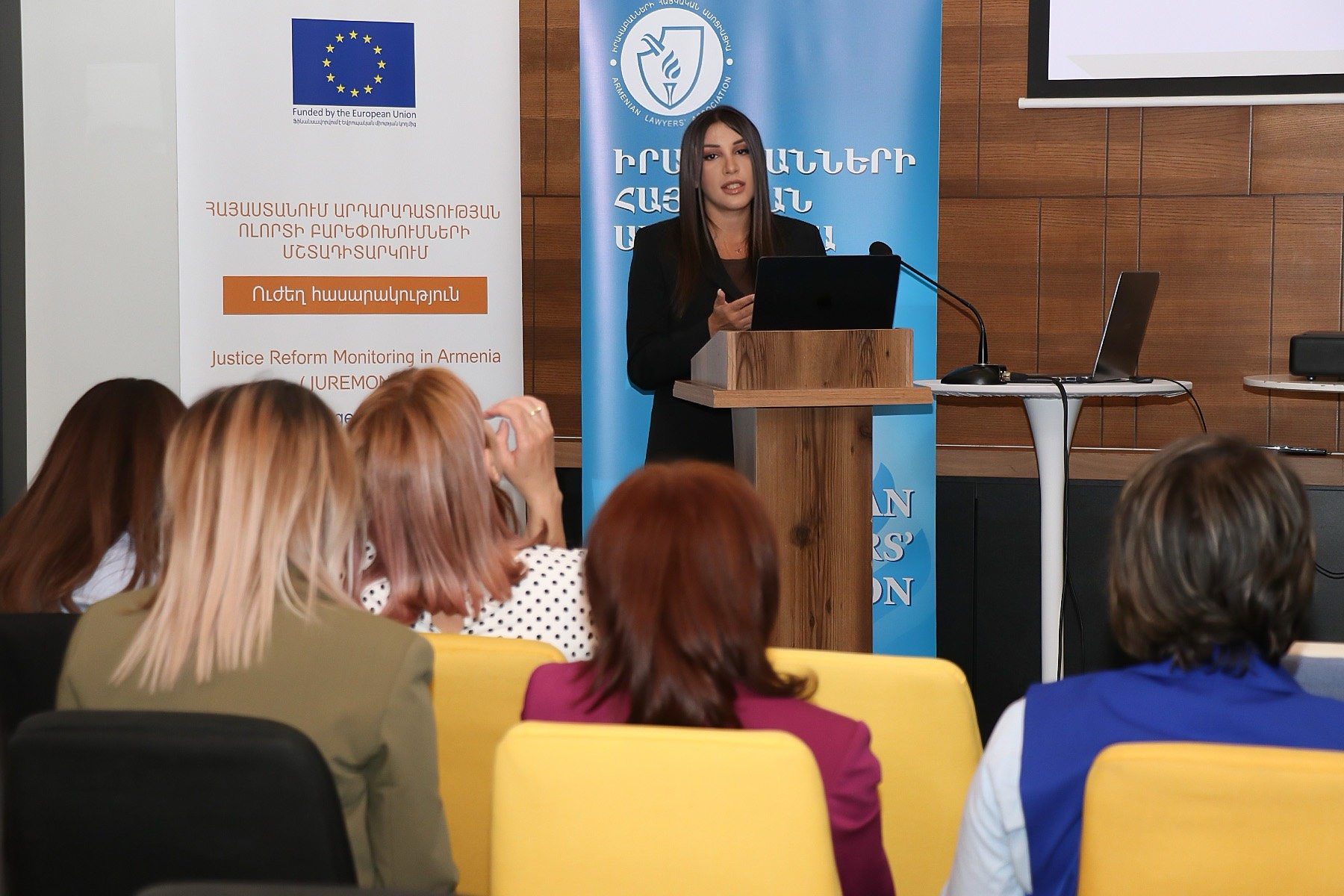
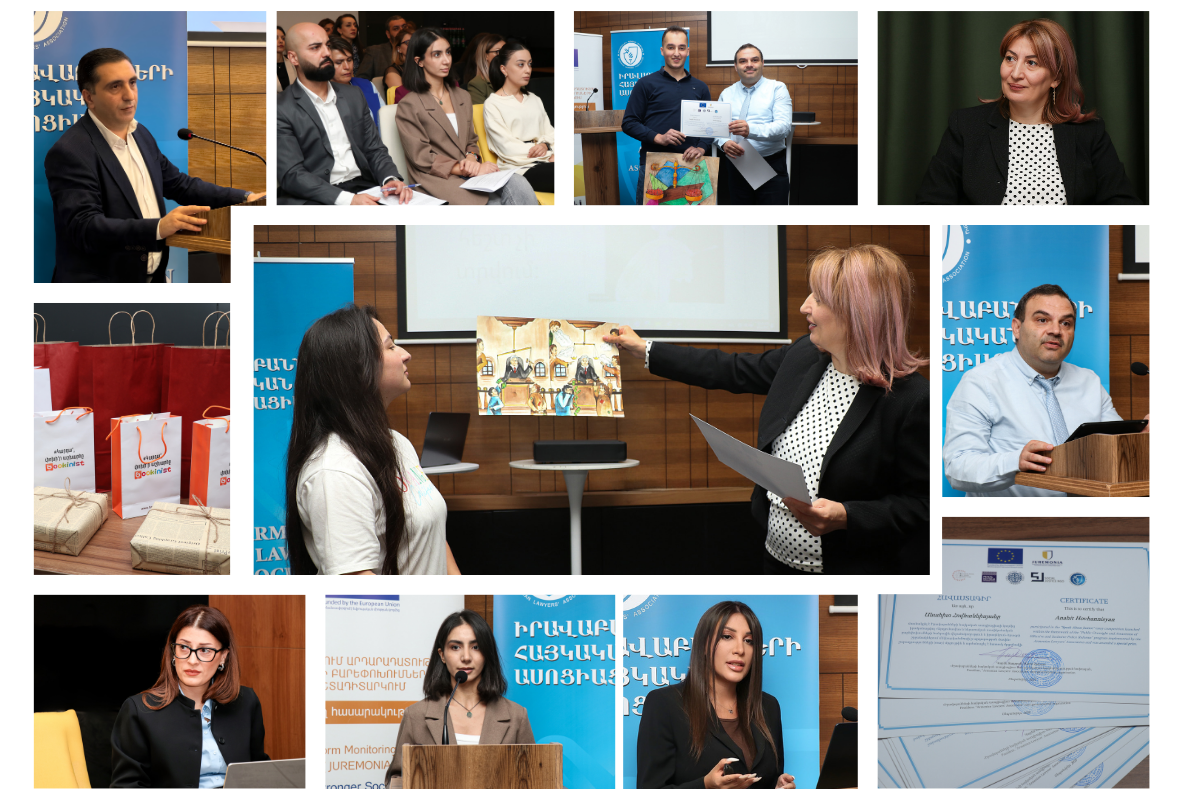
On 29 September 2025, the Armenian Lawyers’ Association (ALA) organized a high-level closing event for the presentation of the final report on public monitoring and assessment of the actions to be implemented under the Police Reform Strategy 2024–2026 Action Plan for 2024–2025 (H1). This was conducted under the sub-grant program “Public Oversight and Awareness for Effective and Inclusive Police Reforms.”
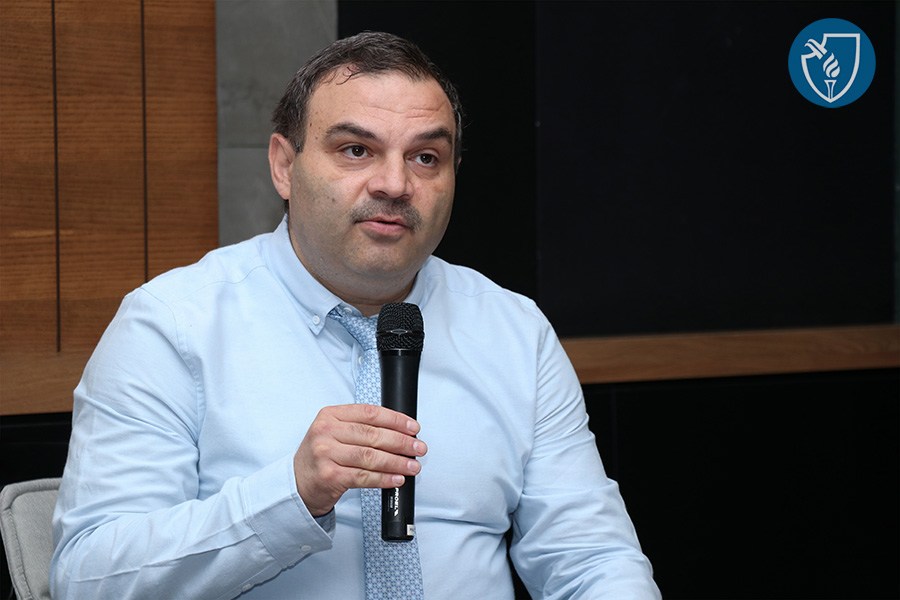
The event was opened by Marat Atovmyan, Vice President of the ALA, police reform expert, and lawyer, who stated that the ALA has always emphasized the role of the police in the state as one of the key links in maintaining public order.
“Additionally, the organization has significant experience in monitoring strategic programs. Today, the work carried out in relation to the Police Reform Strategy 2024–2026 Action Plan will be presented. It is commendable that within the program it was possible to involve children and youth,” said Marat Atovmyan.
Details: https://youtu.be/jP4z9EQL4Yw
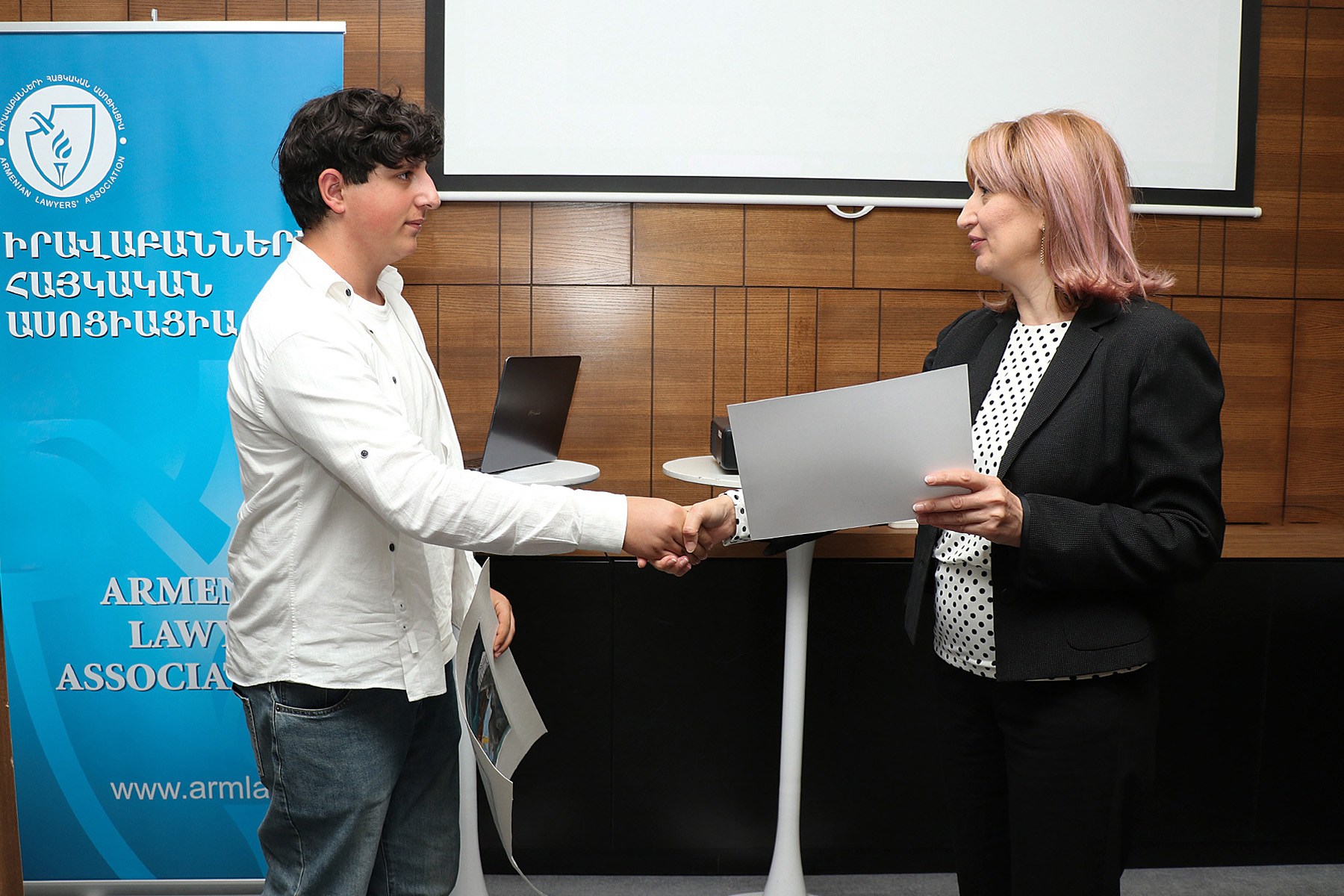
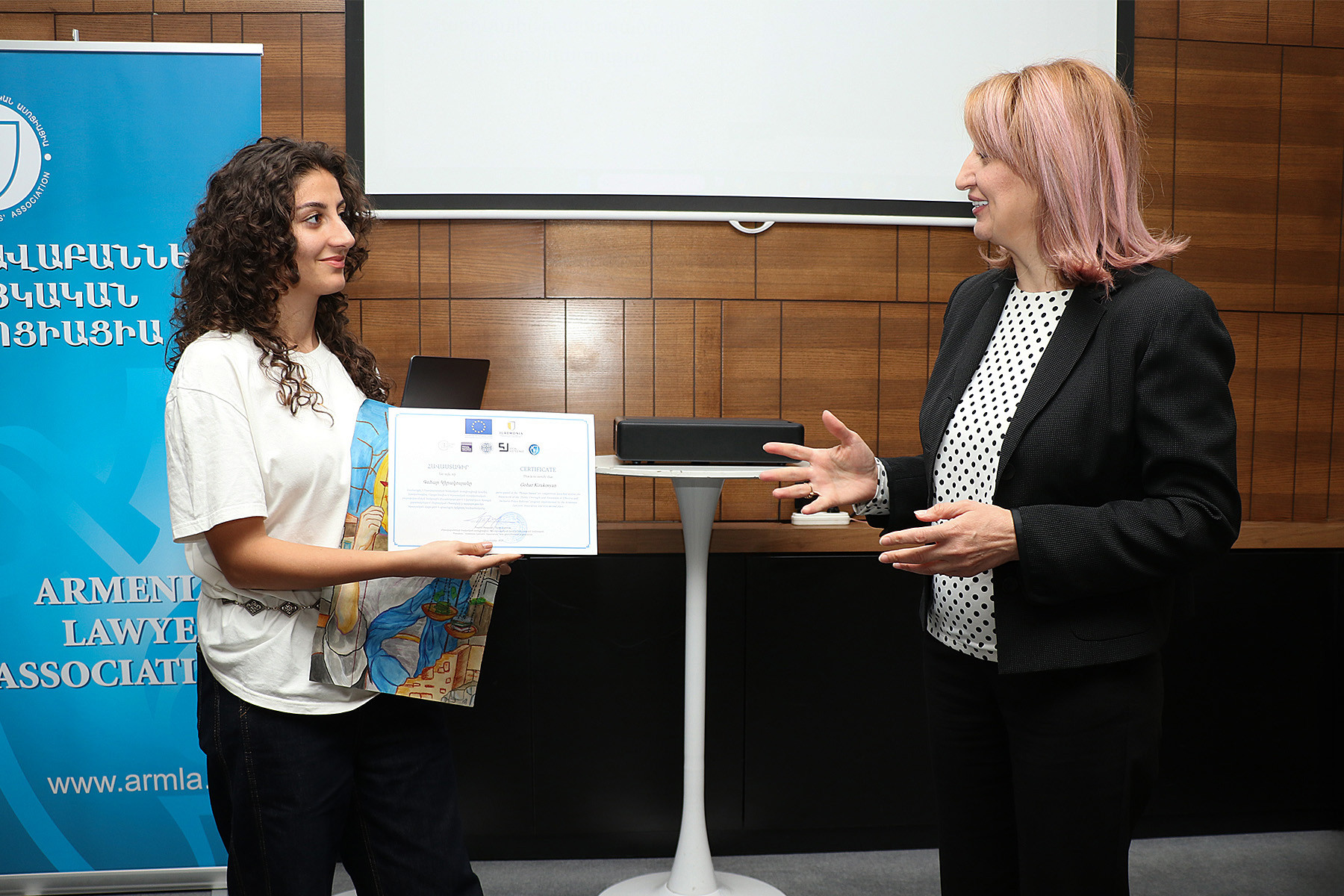
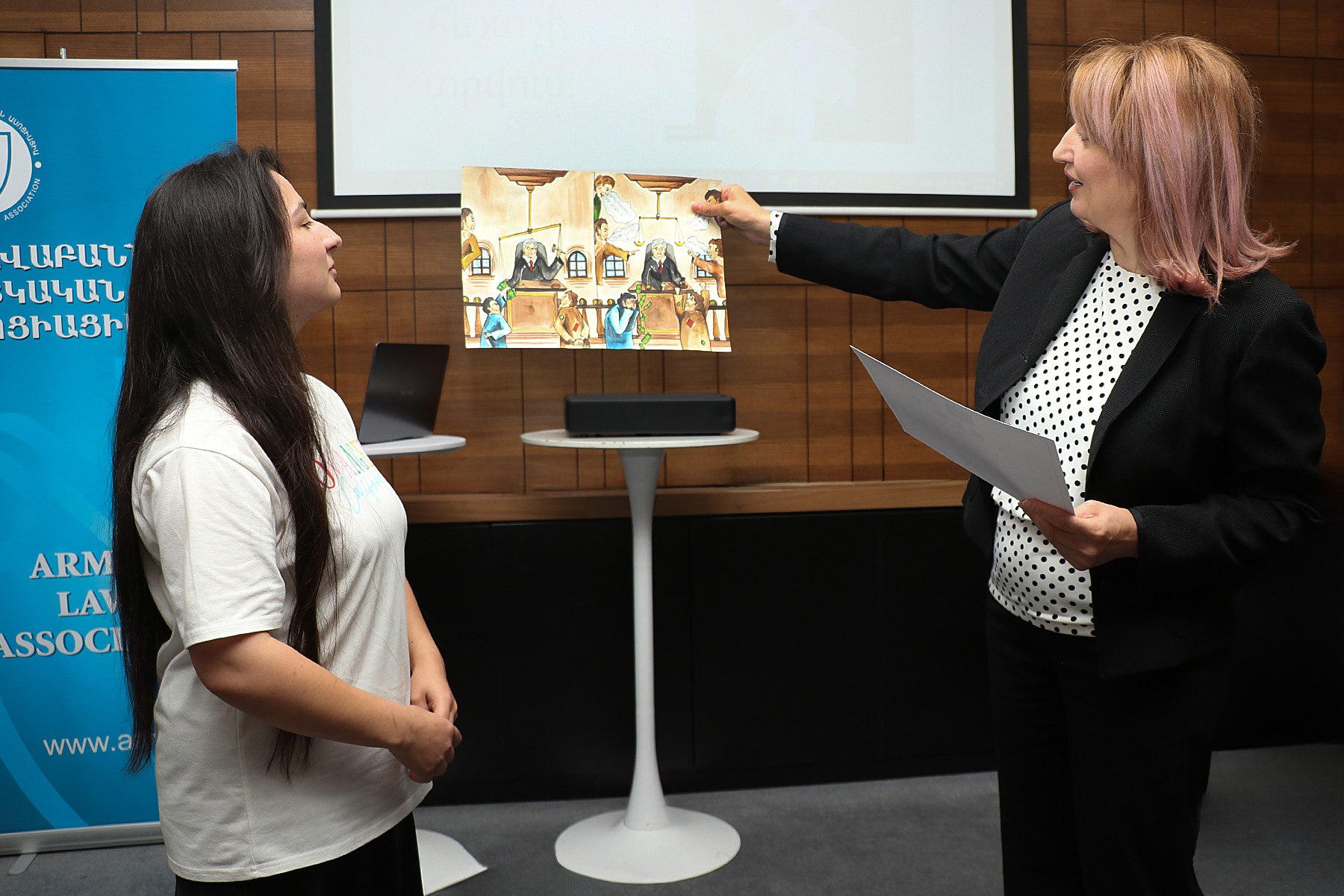
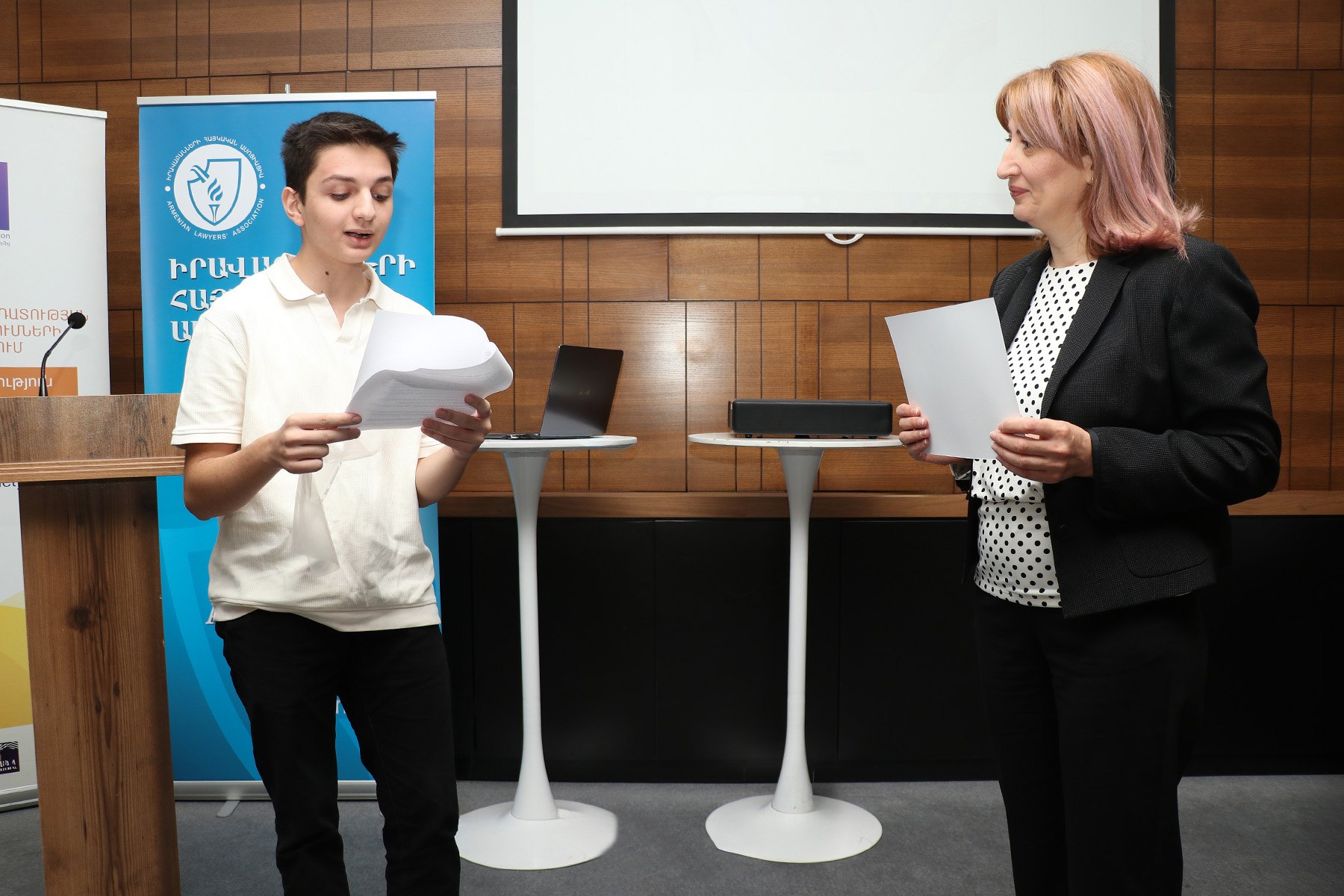
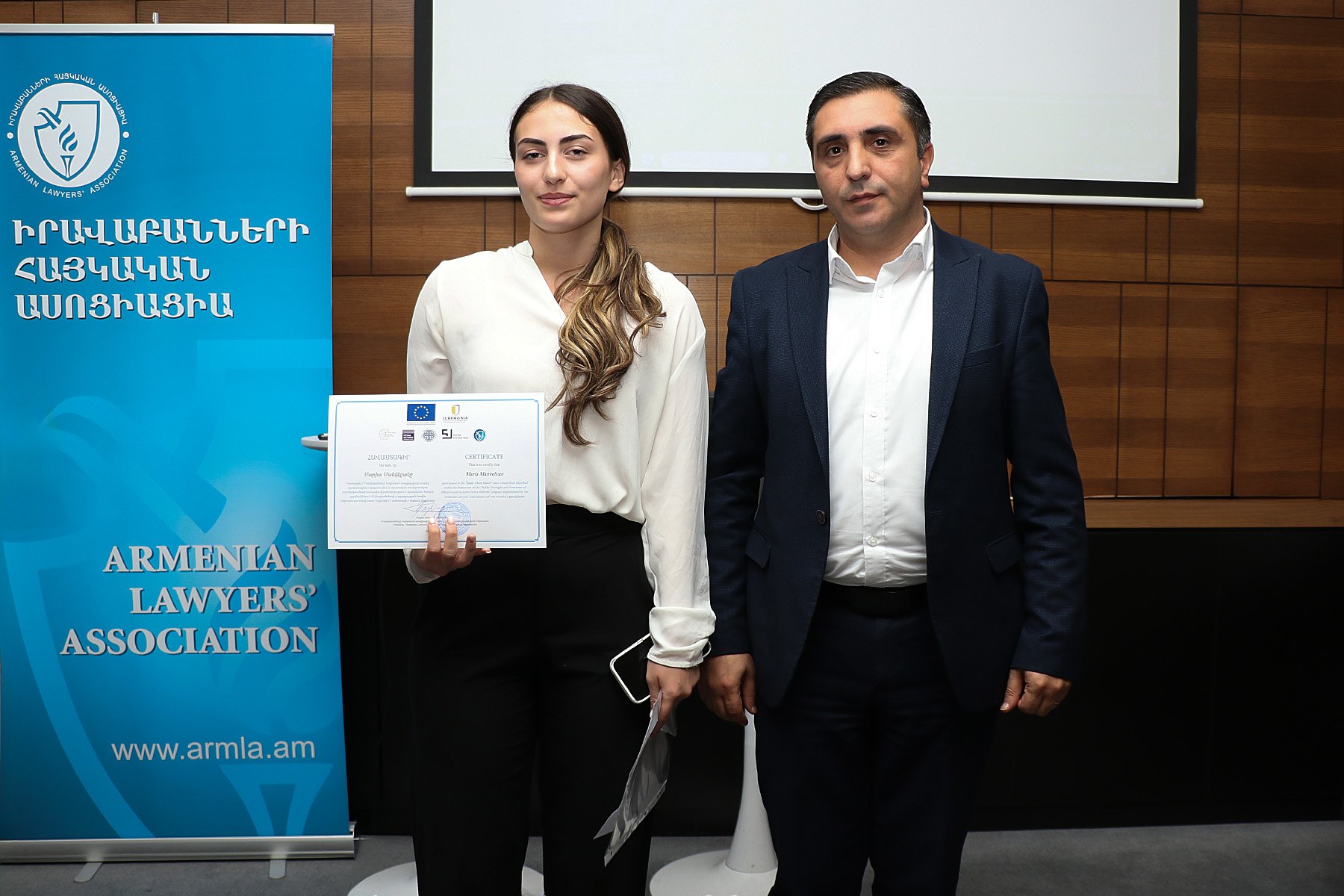
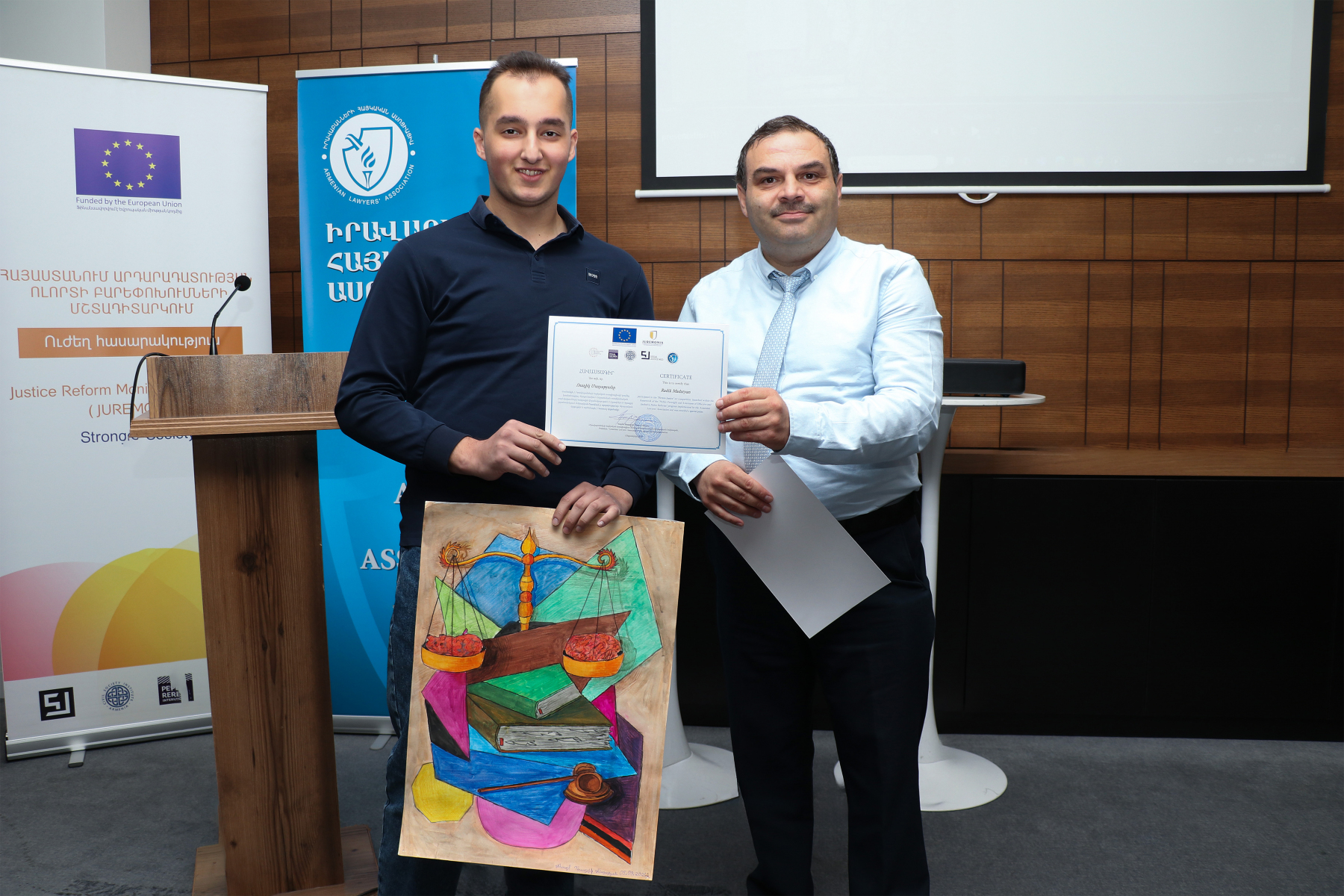
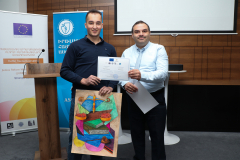
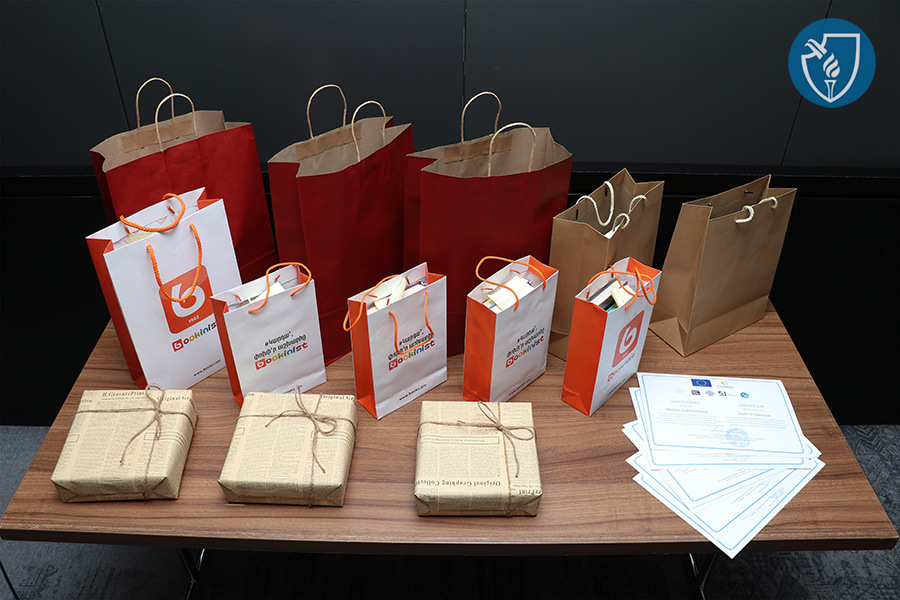
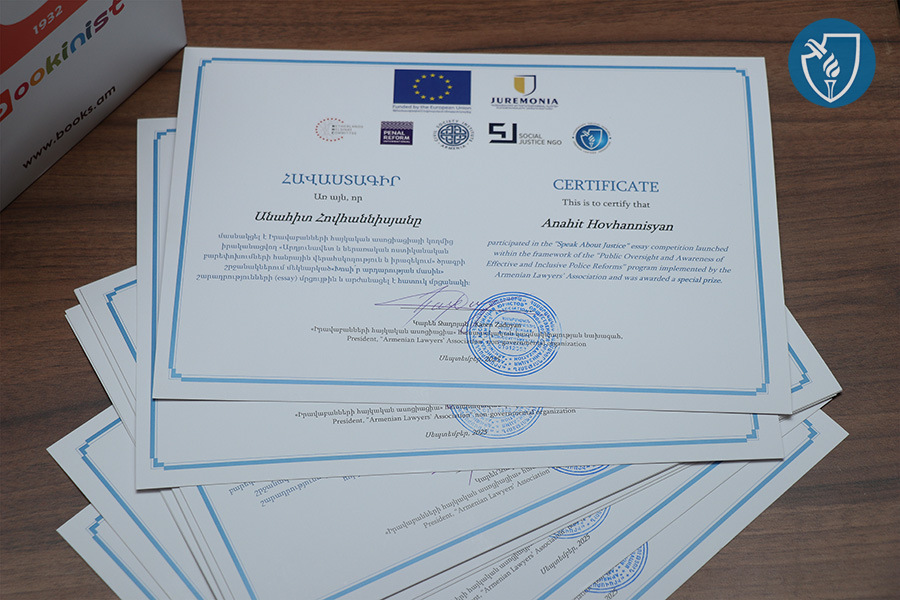
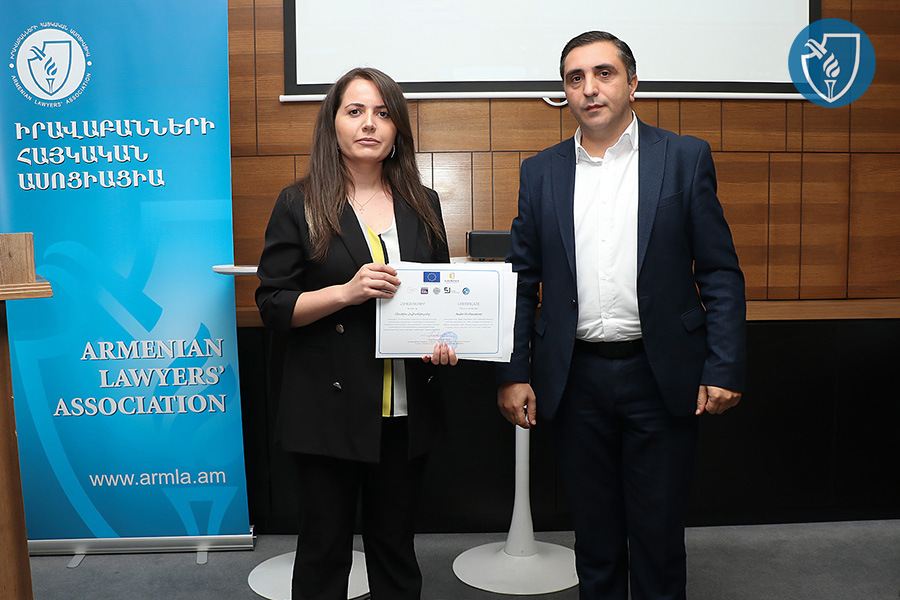
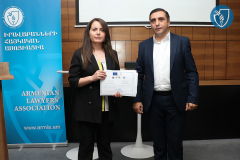
Within the program, the ALA announced the “Speak About Justice” essay competition and the “Visualize Justice” art contest, the results of which were summarized today during the event.
Vahe Yenokyan, Deputy Head of the Strategic Planning, Policy Development, and Monitoring Department of the Ministry of Territorial Administration, expressed gratitude for effective collaboration, the submission of suggestions, and observations.
“The Ministry has no fundamental remarks or suggestions regarding the report. We highly value the extensive work carried out by your organization, methodological and content proposals aimed at improving the implementation of the Action Plan. These will be taken into account when implementing our actions,” said Vahe Yenokyan.
Details: https://www.youtube.com/watch?v=tTi32IqtfM8
This sub-grant was implemented under the Justice Reform Monitoring in Armenia program (www.juremonia.am). The program is funded by the European Union and implemented by a consortium of the Helsinki Committee of the Netherlands, International Prison Reform Organization, Social Justice NGO, and Institute for Civil Society NGO.
Gayane Hovakimyan, President of the consortium member Social Justice NGO, also expressed gratitude to the ALA for the work carried out and for the well-organized event, emphasizing the participation of youth and children in such an event.
“In the past week, we witnessed unfortunate events that violate our perceptions of public solidarity and security. It often seems that children do not feel this, and youth are not involved. They are much more sensitive to such events; we must speak with them, involve them, and highlight them during all reforms and state-building significant activities,” said Gayane Hovakimyan. She also noted that the works presented during the “Visualize Justice” art contest could have been placed on the Ministry’s website or displayed in the Ministry building.
She also expressed hope that the monitoring results would be discussed within the Ministry, as well as with the Investigative Committee, General Prosecutor’s Office, and Ministry of Justice partners.
Details: https://www.youtube.com/watch?v=Zdu3J1Nj0KE
Then, Anahit Mardoyan, coordinator of the “Speak About Justice” and “Visualize Justice” competitions, stated that the announcement of the competitions was initially important to test youth perceptions regarding justice, the police, and human rights.
“We received very good and positive feedback, which confirms the success of the competition. We had a large number of participants from the regions, which we highly value. We conducted online informational seminars, and participants received answers and clarifications to their questions. It is noticeable that youth are not afraid to express their opinion, analyze sectoral issues, and propose possible solutions,” said Anahit Mardoyan.
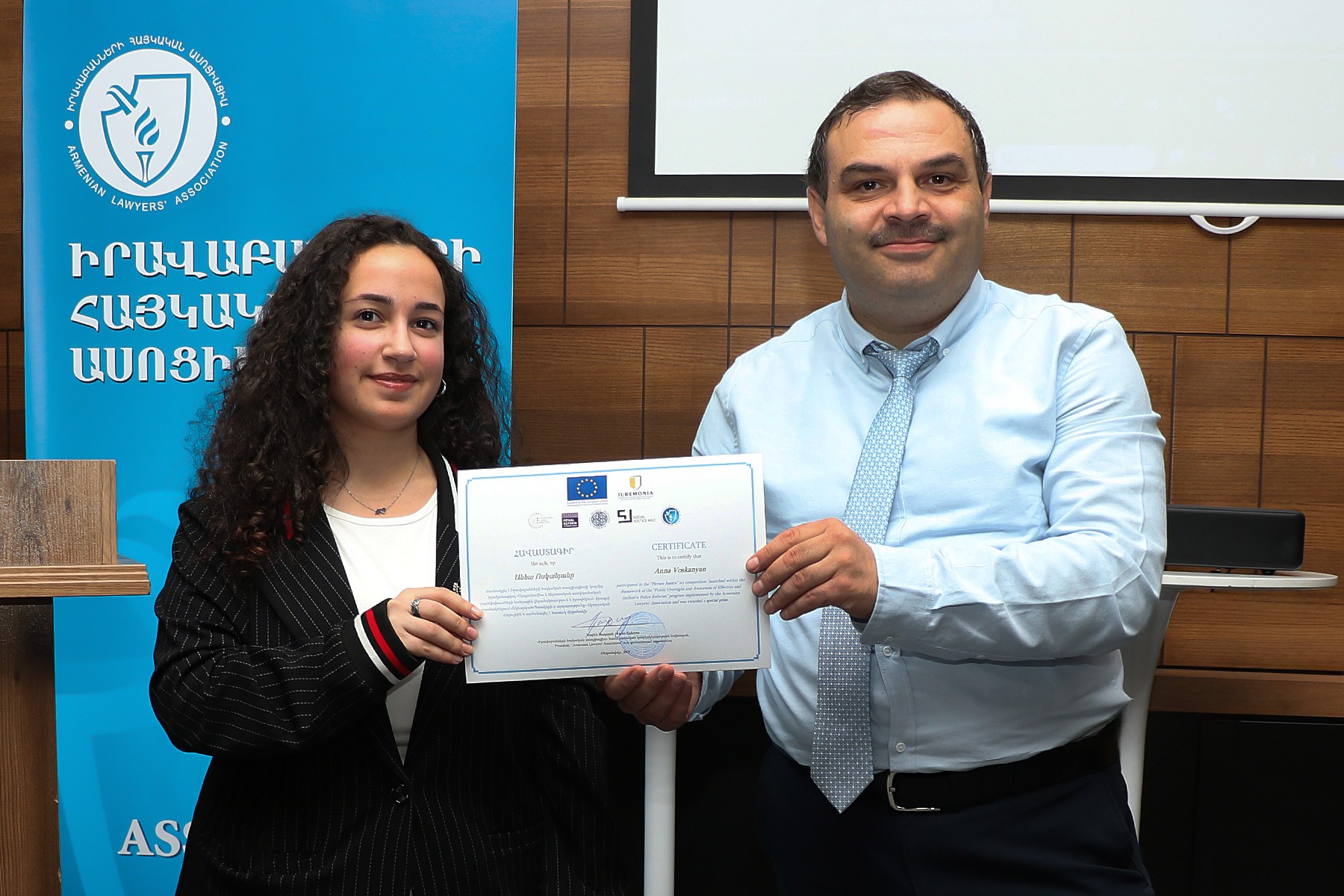
Each competition had three winners and two special awardees. Participants came from schools, universities, and a college.
“Visualize Justice” Art Contest Results:
-
Gohar Chichyan (Gegharkunik, 19)
-
Gohar Kirakosyan (Gegharkunik, 17)
-
Sargis Mkrtchyan (Aragatsotn, 16)
Special awardees: Radik Madatyan (Lori, 16), Anna Voskanyan (Lori, 21)
“Speak About Justice” Essay Competition Results:
-
Susanna Elbakyan (Armavir, 20)
-
Narek Khachatryan (Yerevan, 16)
-
Anna Ghazaryan (Lori, 17)
Special awardees: Anahit Hovhannisyan (Yerevan, 34), Maria Manvelyan (Yerevan, 17)
Details: https://www.youtube.com/watch?v=pjLgYsA0BNU
Syuzanna Soghomonyan, lawyer and monitoring expert, presented a section of the final report on the public monitoring of the implementation of the Police Reform Strategy 2024–2026 Action Plan for 2024–2025 (H1). During this period, 52 actions were planned.
“The strategy was assessed at two levels: quantitative and qualitative. We identified three areas for qualitative assessment: effective management of human resources and integrity reinforcement, re-definition of community policing, and international cooperation within police reforms,” she noted, and detailed the methodology applied by the ALA.
Details: https://www.youtube.com/watch?v=iSftYxOYHWc
Mariam Zadoyan, lawyer and monitoring expert, presented the second part of the report, addressing community policing, human rights, police guard, monitoring and coordination, public perception, and international cooperation.
“Several important steps have been taken in human rights, but some actions were partially completed. Legal notices were translated into 5 languages instead of the planned 10. It is concerning that the languages of Armenia’s minorities are missing, for which Armenia has committed obligations. The mechanism for recording misconduct has been developed, the law amended, but the form has not been approved,” noted Mariam Zadoyan.
She also addressed the topic of domestic violence, stating that although training procedures, modules, and communication guidelines with victims were developed, they were not provided to the monitoring team, preventing them from assessing the existence of victim-centered and gender-sensitive approaches.
“The coordinating council has been established and a meeting held, but operational procedures are not regulated, and 3 NGOs participated instead of 4. Reports are not public, which limits transparency,” she added.
Regarding public perception, it was emphasized that although a strategic communication plan has been developed, no approval evidence was provided, and no data on campaign impact measurement were presented. Regarding international cooperation, Mariam Zadoyan noted that the Caucasus Barometer 40% target for 2027 had already been achieved in 2024, before the program was adopted.
“The link between international ranking monitoring, image enhancement actions, and public trust growth is not substantiated, while the target indicator had already been reached before the start of reforms,” the expert summarized.
Details: https://youtu.be/L3-I5FMW7BQ
After presenting the report, Marat Atovmyan presented recommendations formulated based on the analysis. According to him, the recommendations can be divided into two groups: methodological and content-related.
Methodological Recommendations:
-
Lack of impact indicators for evaluating public service quality
-
Gaps in measuring HR policy results
-
Uncertainty of content requirements for analyses
-
Misalignment of knowledge assessment criteria for trainings
-
Lack of monitoring of information dissemination
-
Inconsistency in measuring results of public discussions
-
Lack of audit and evaluation methodology
Content Recommendations:
-
Comprehensive reform of the police system, including effective human resources management, integrity reinforcement, development of training programs, enhancement of operational and technological capabilities, and improvement of public trust and international cooperation
-
Develop transparent and competitive recruitment mechanisms, implement a system to involve legally trained specialists, and ensure data collection through exit interviews for HR improvements
-
Establish a performance evaluation system linked to promotion, rewards, and accountability mechanisms
-
For integrity reinforcement, develop a strategy including integrity risk assessment methodology, mandatory checks for all service levels, and review the ethics commission with civil oversight
-
Launch a digital system for predicting integrity risks, early detection, and preventive interventions
-
In education reforms, emphasize development of practical skills, especially in law enforcement, emergency situations, vulnerable groups, and effective communication during public gatherings; in police service, emphasize legal knowledge, documentation, and scheme construction
-
In community policing reform, review domestic violence task allocation, consider creating specialized groups or retraining community police officers
-
For monitoring and coordination, establish clear council procedures, ensure NGO participation, and introduce mechanisms for evaluating reform impact
-
For improving public perception, publish the strategic communication plan, conduct evaluation of campaigns’ effectiveness, periodic surveys, and develop monitoring tools
-
In international cooperation, ensure transparency of donor coordination, publication of programs, and presentation of international evaluation results to the public
Details: https://www.youtube.com/watch?v=ybMsRaS-ROs
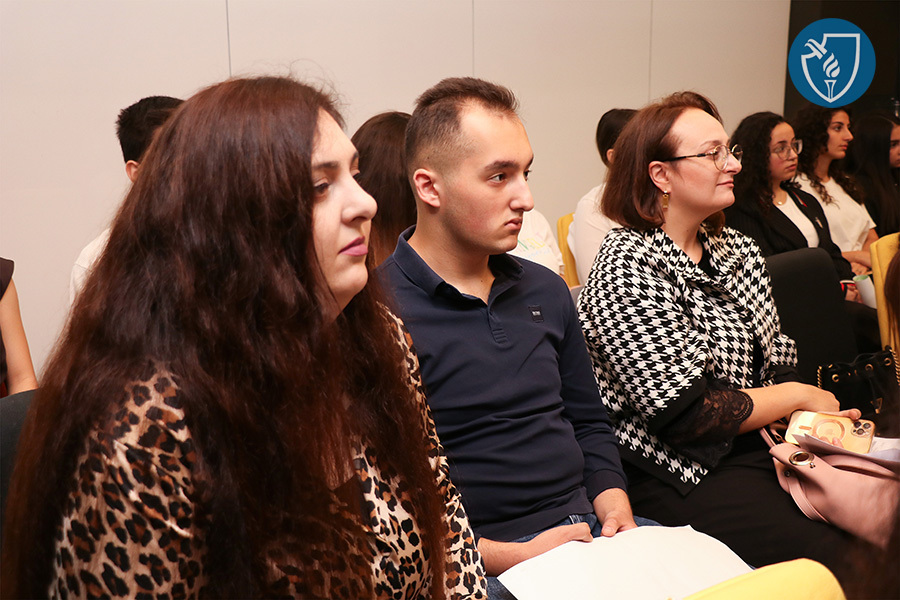
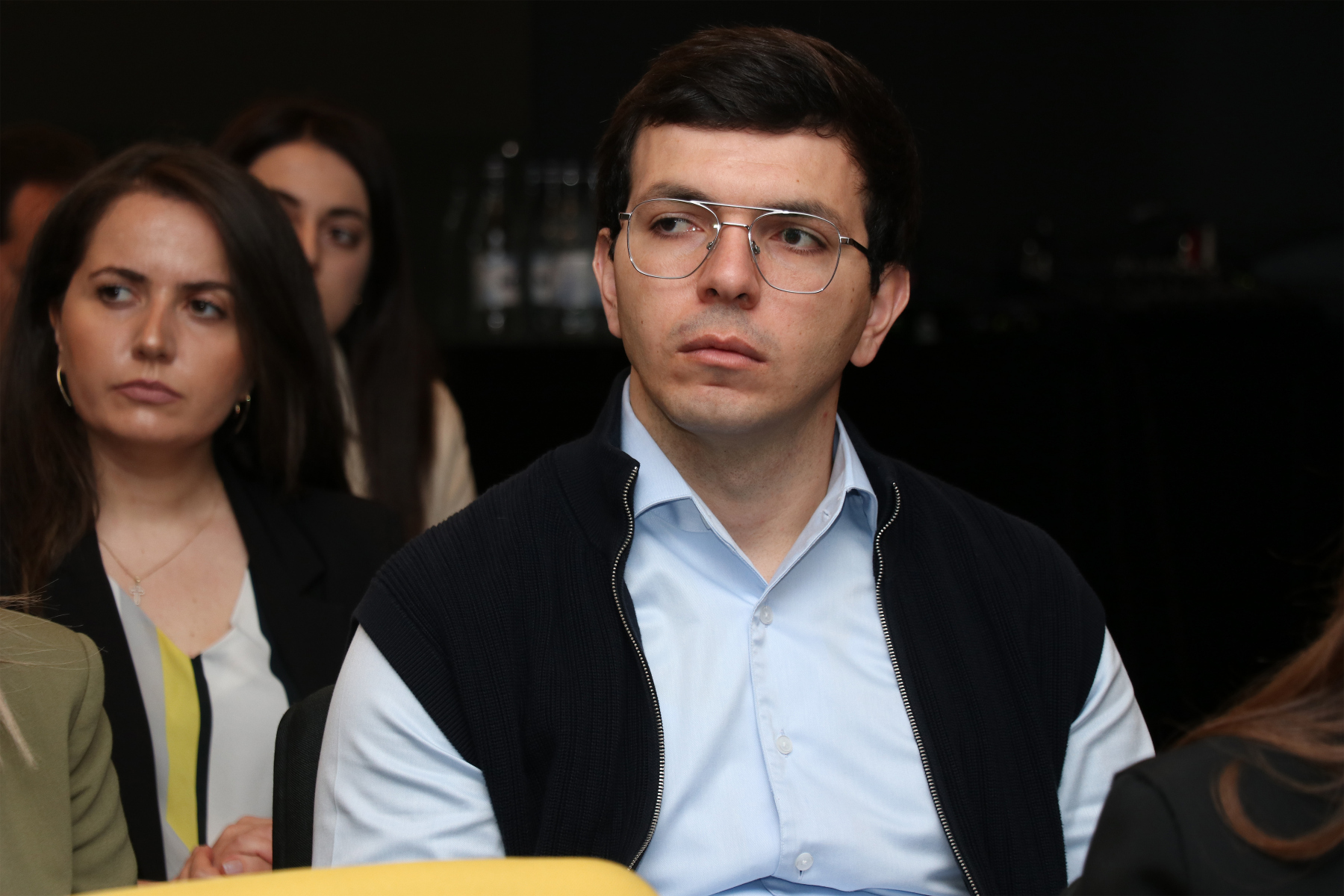
The event continued in a Q&A format, during which experts and Ministry representatives addressed questions raised by participants, providing clarifications regarding strategy directions, planned actions, and their implementation. The discussion was active, targeted, and effective.
Details: https://www.youtube.com/watch?v=WEJkcIoeagk
Marat Atovmyan, Vice President of the ALA, in his concluding remarks, noted that the results of reforms are already visible, and the Ministry partners also acknowledge that many issues remain.
“The purpose of this monitoring was not to criticize but to identify problems in order to help and support. I believe this constructive dialogue and interaction will continue, because ultimately, we all work for the same goal: to have a professional, effective police that enjoys the trust of wide segments of society,” he concluded.
The sub-grant “Public Oversight and Awareness for Effective and Inclusive Police Reforms” is implemented by the Armenian Lawyers’ Association under the Justice Reform Monitoring in Armenia program, funded by the European Union, through a sub-grant awarded by Social Justice NGO.
The program aims to increase civil society participation in monitoring police reforms and impact assessment, ensuring structured engagement mechanisms, independent evaluation, and raising public awareness.
This article is prepared with the financial support of the European Union. Responsibility for content lies with the Armenian Lawyers’ Association, and it does not necessarily reflect the views of the European Union.