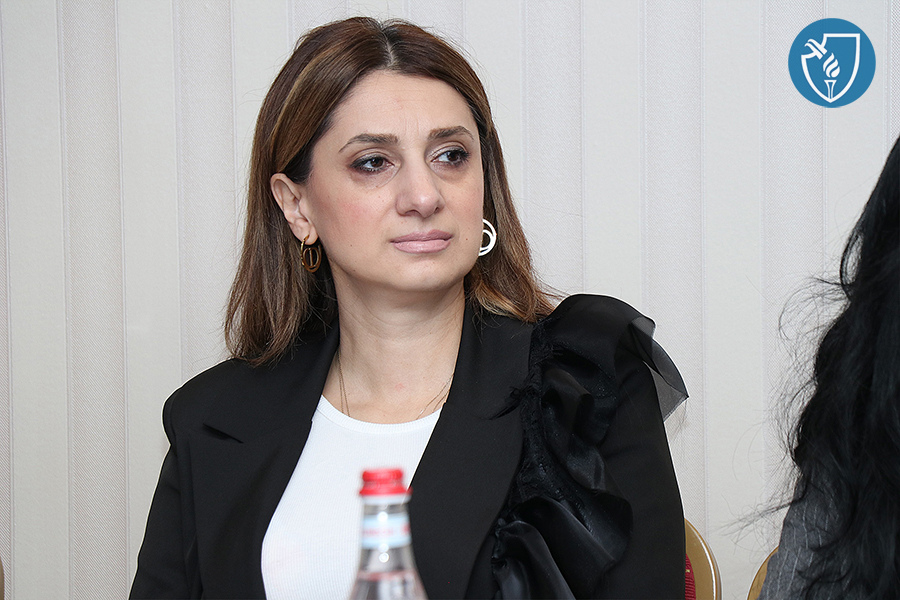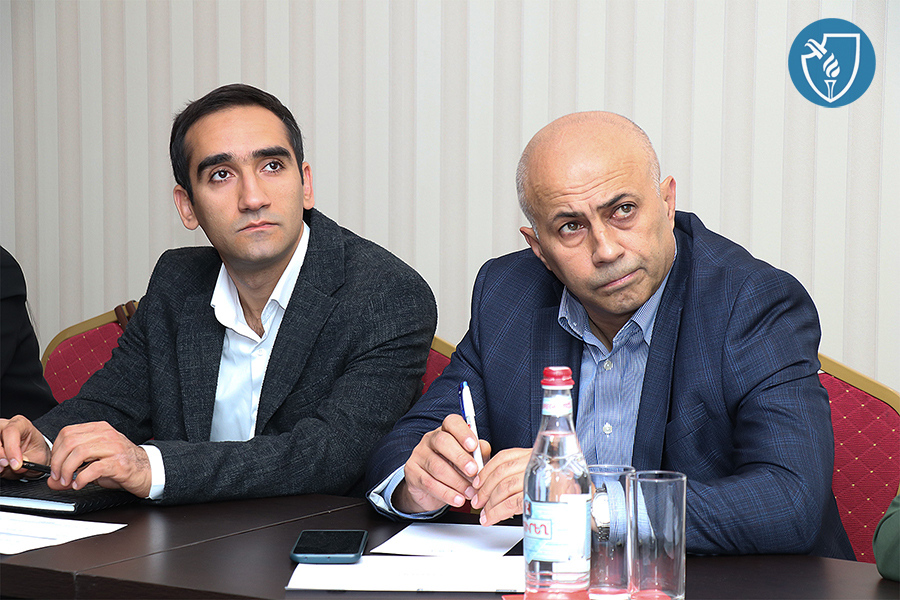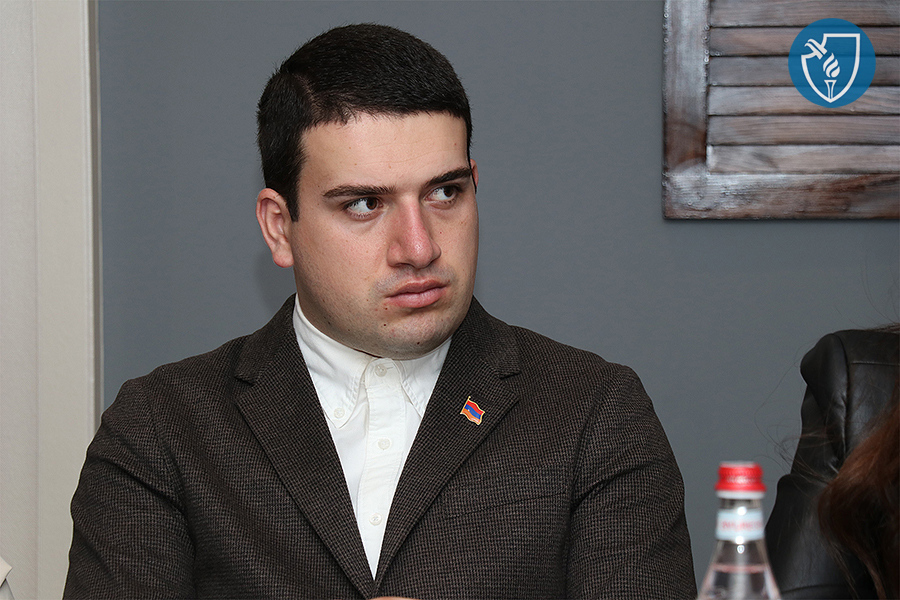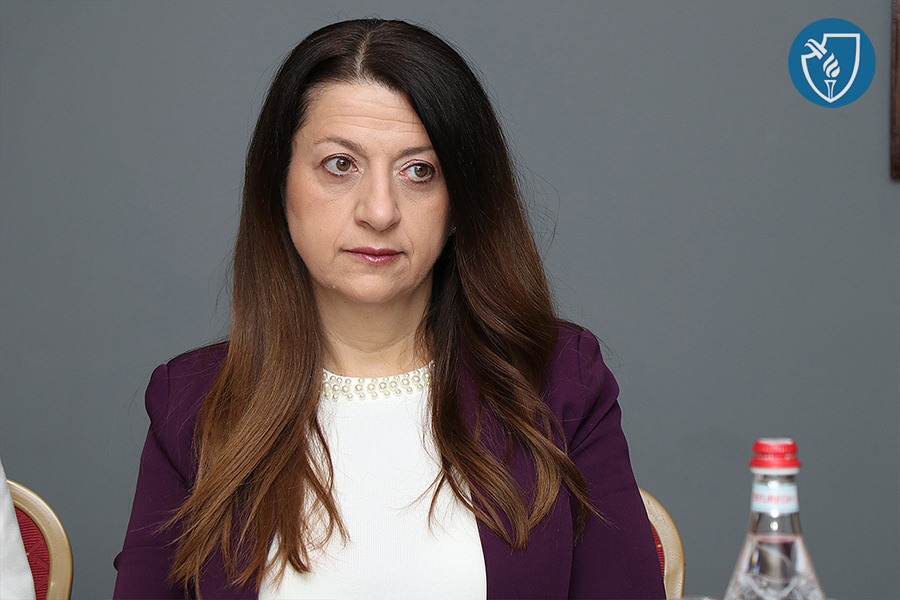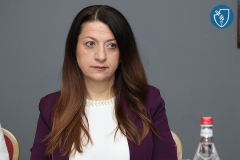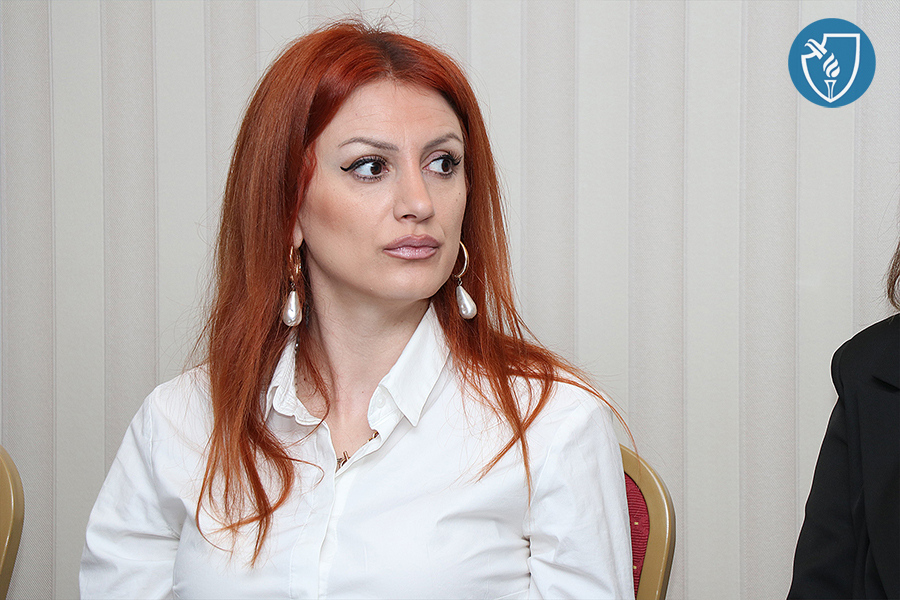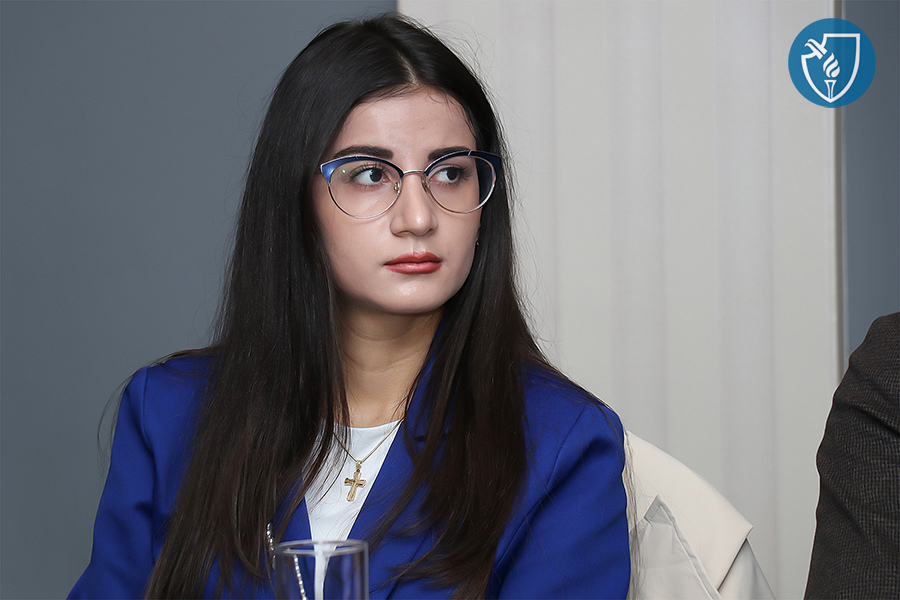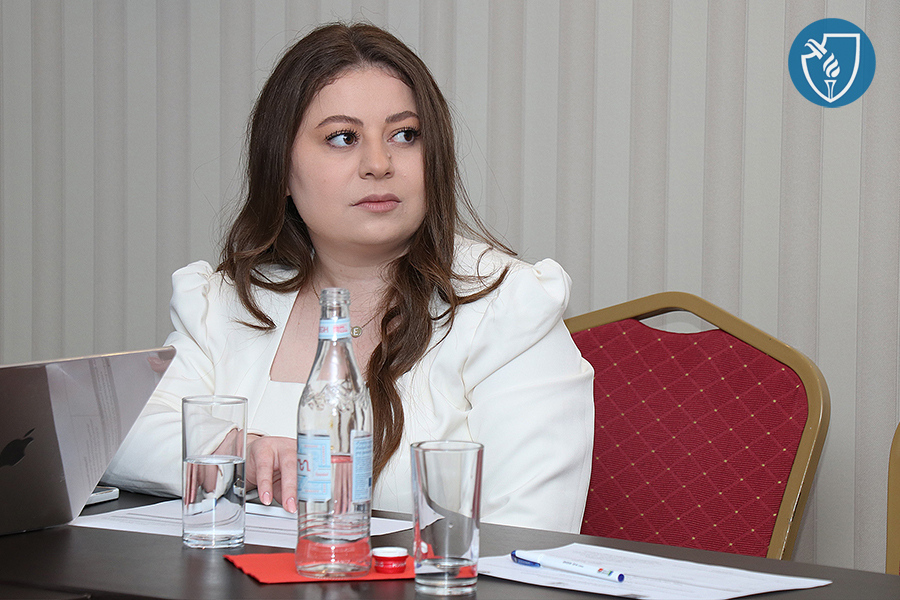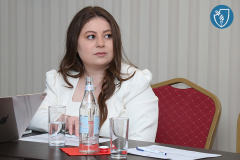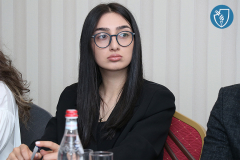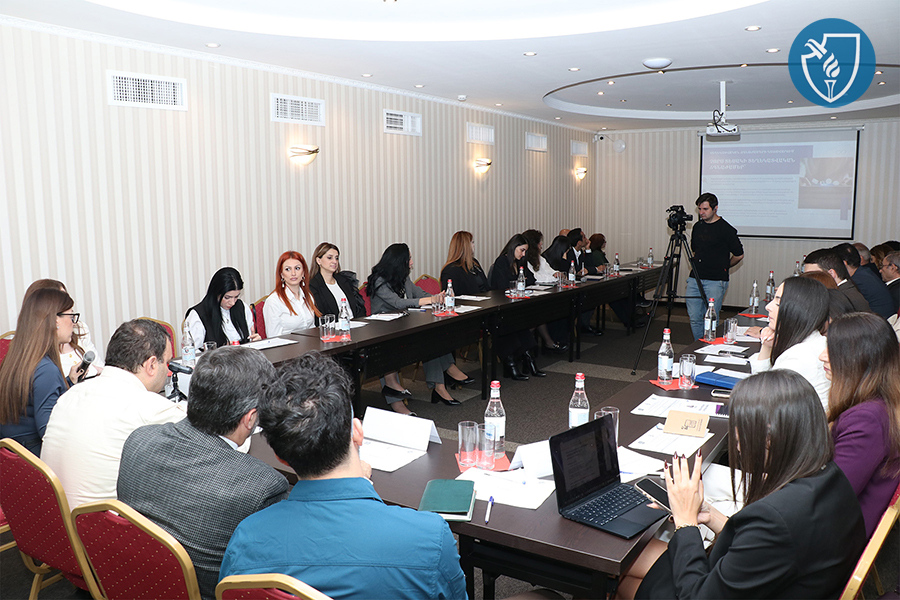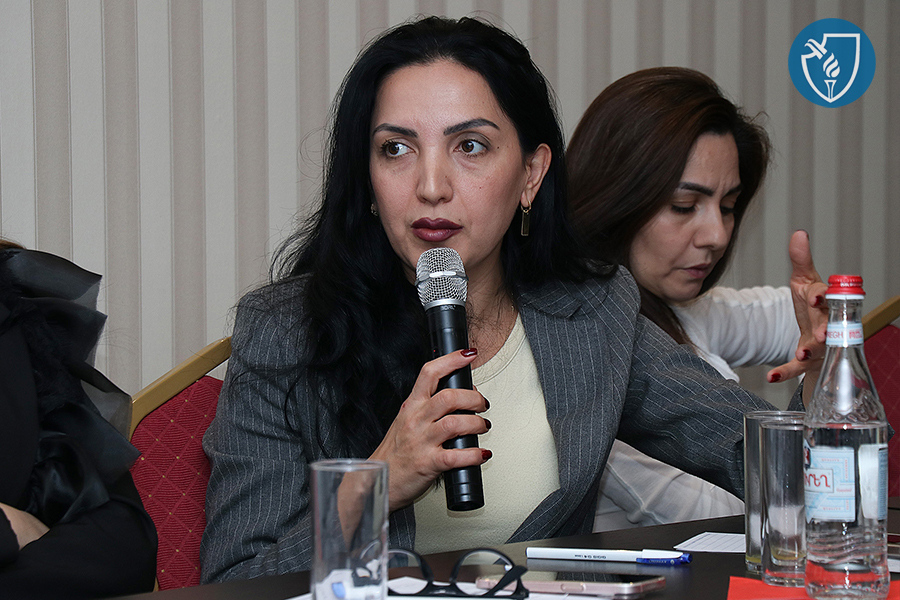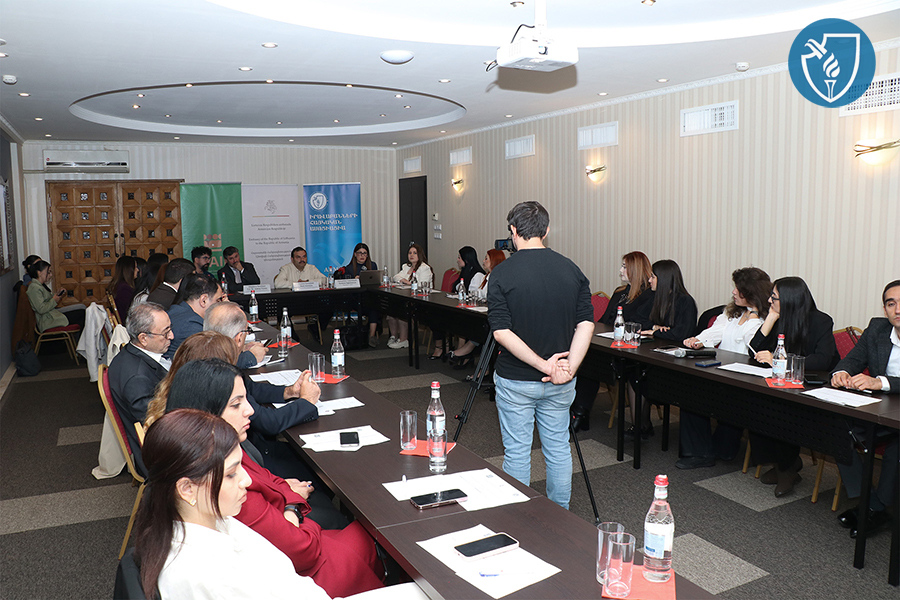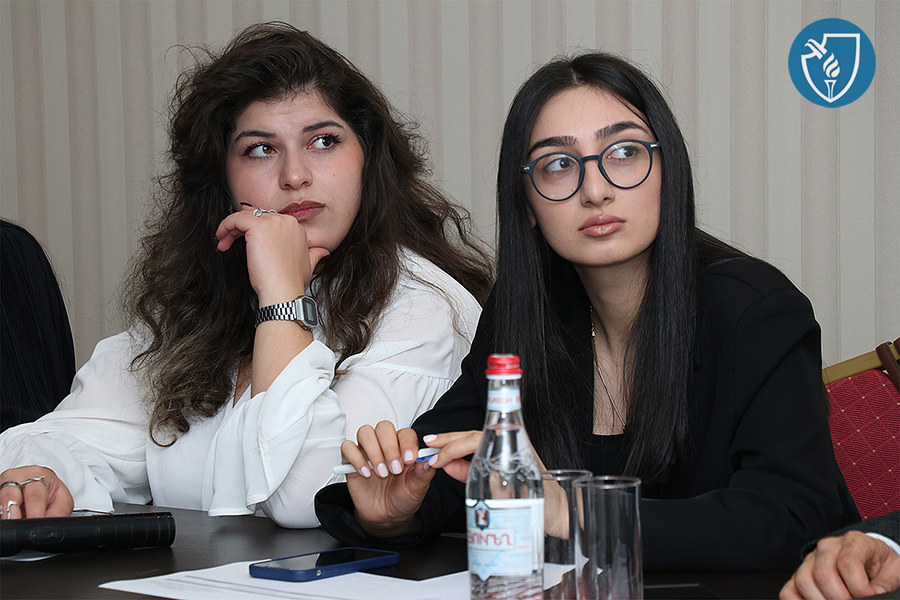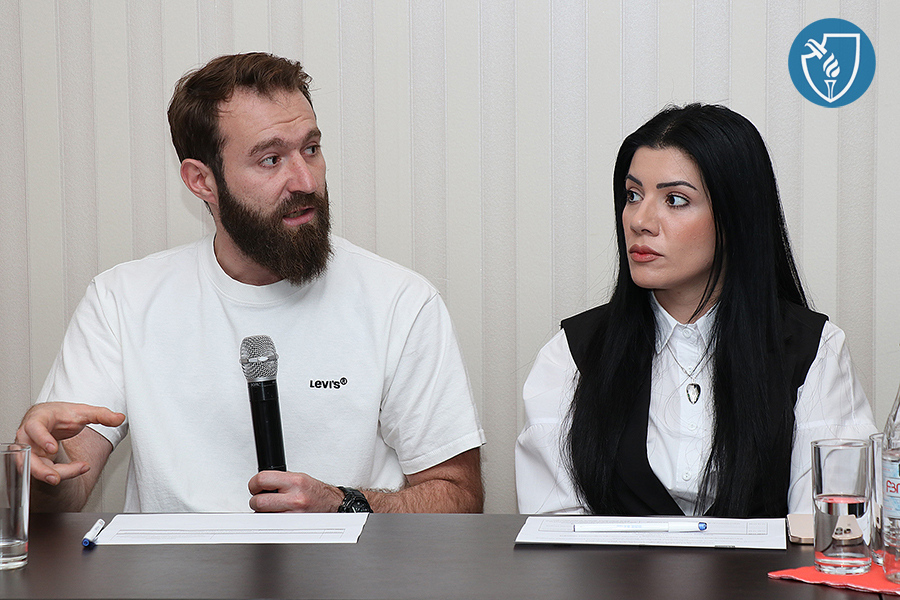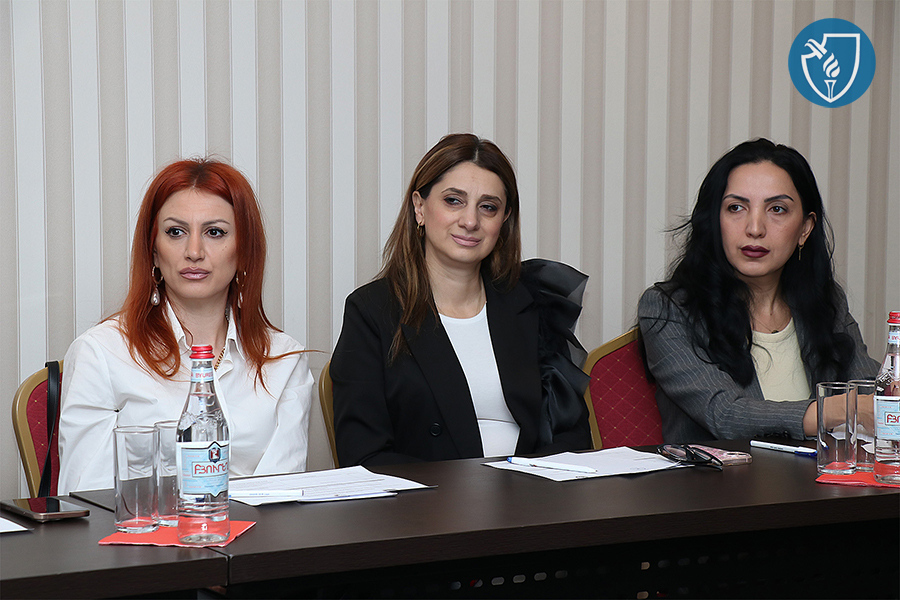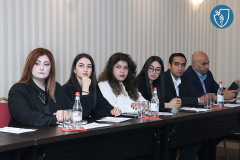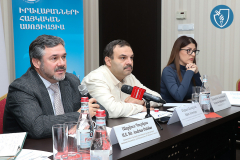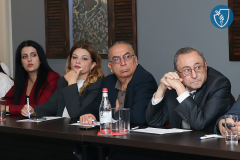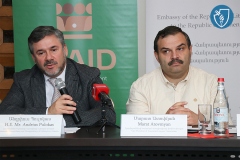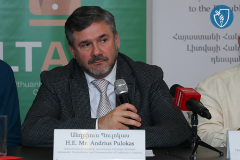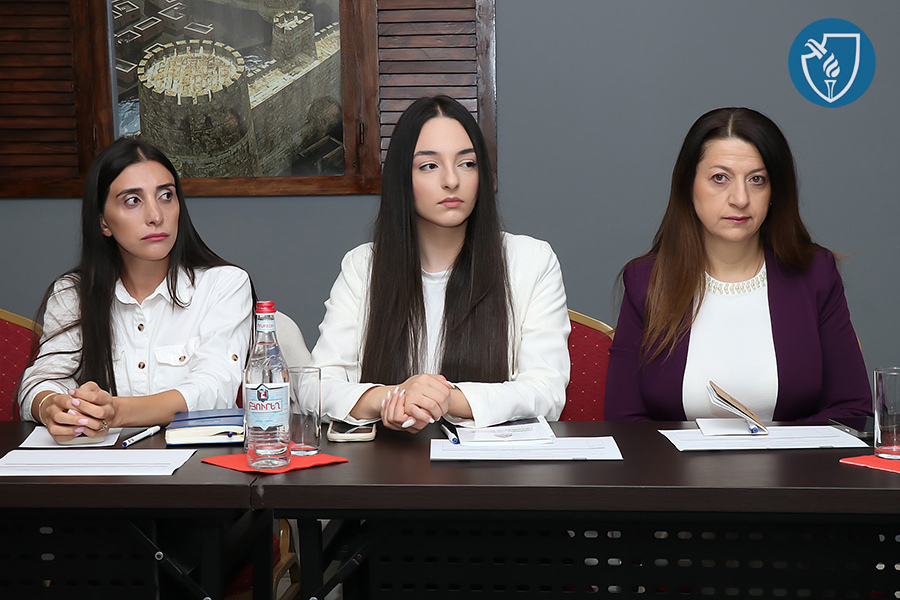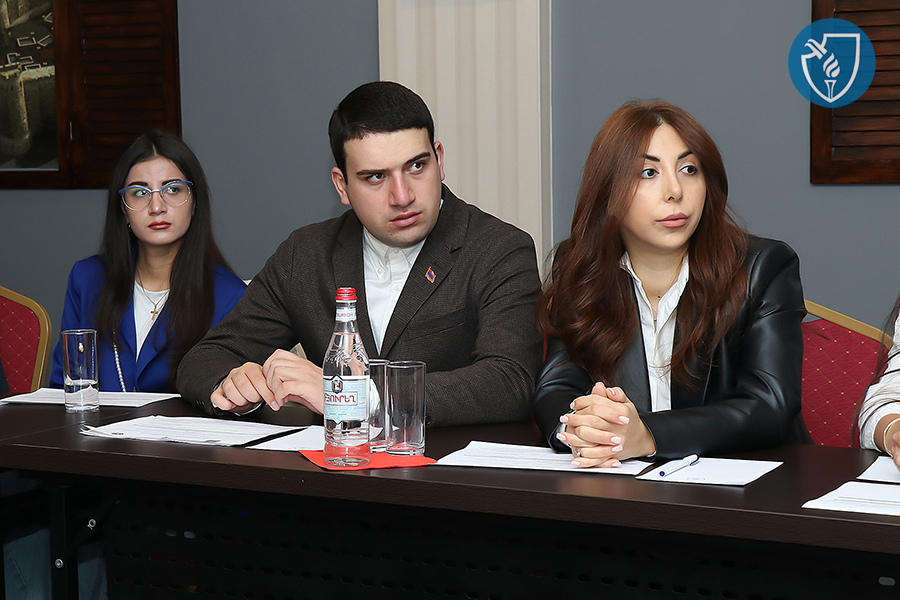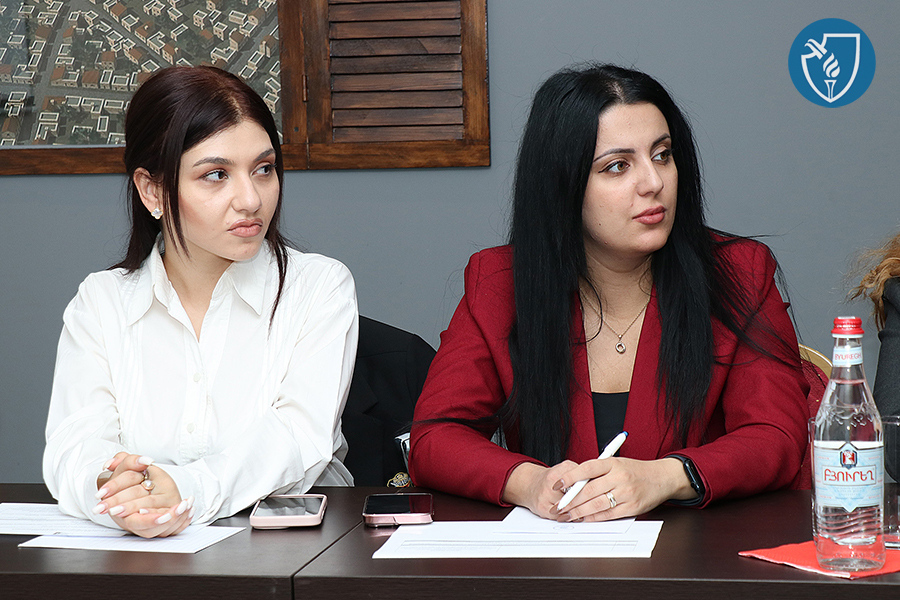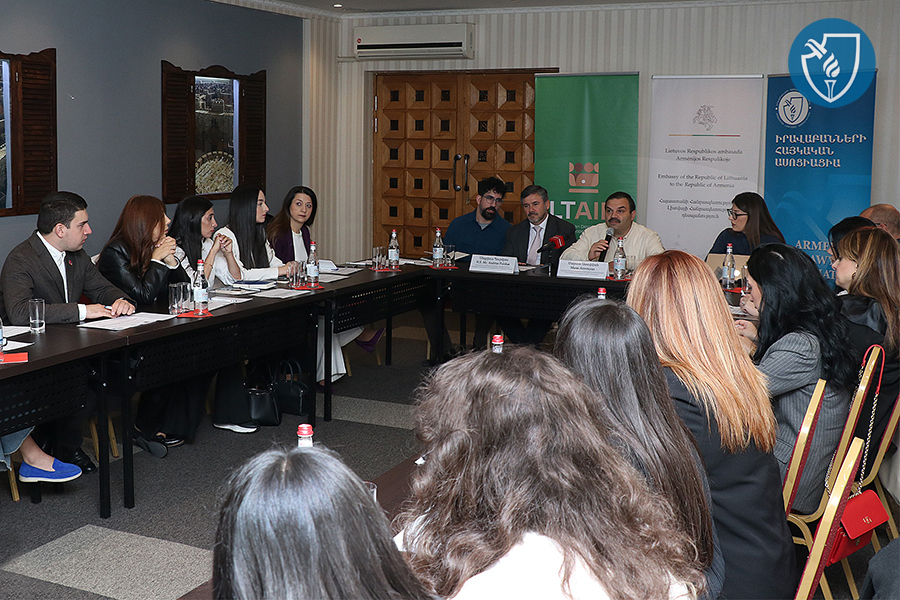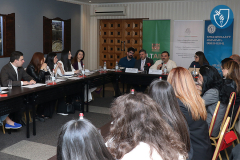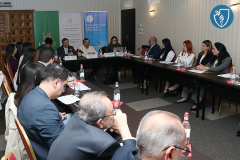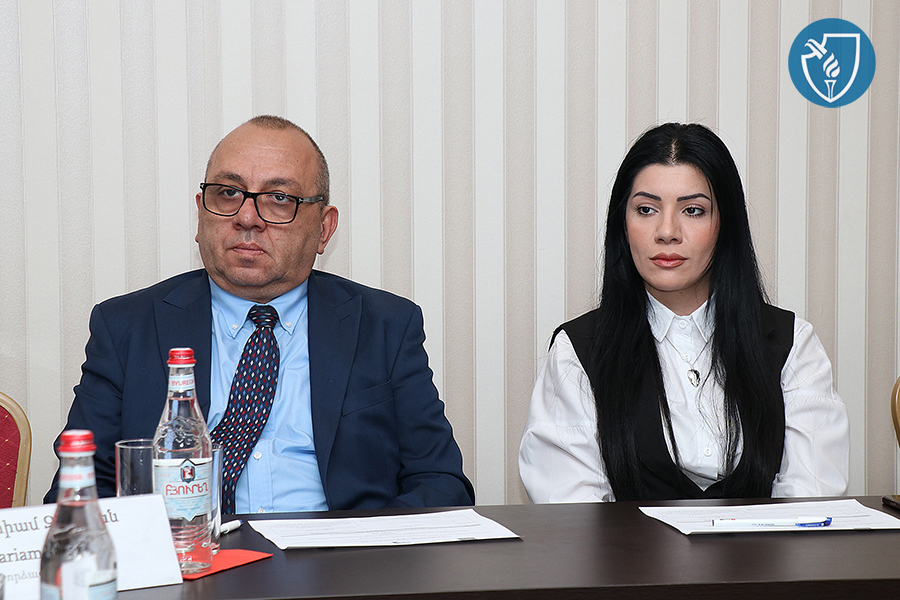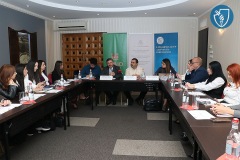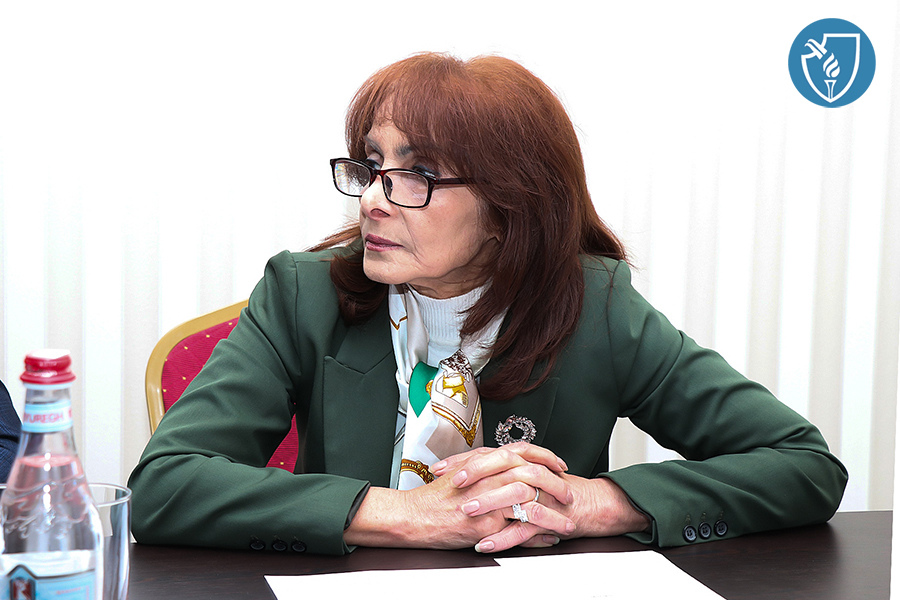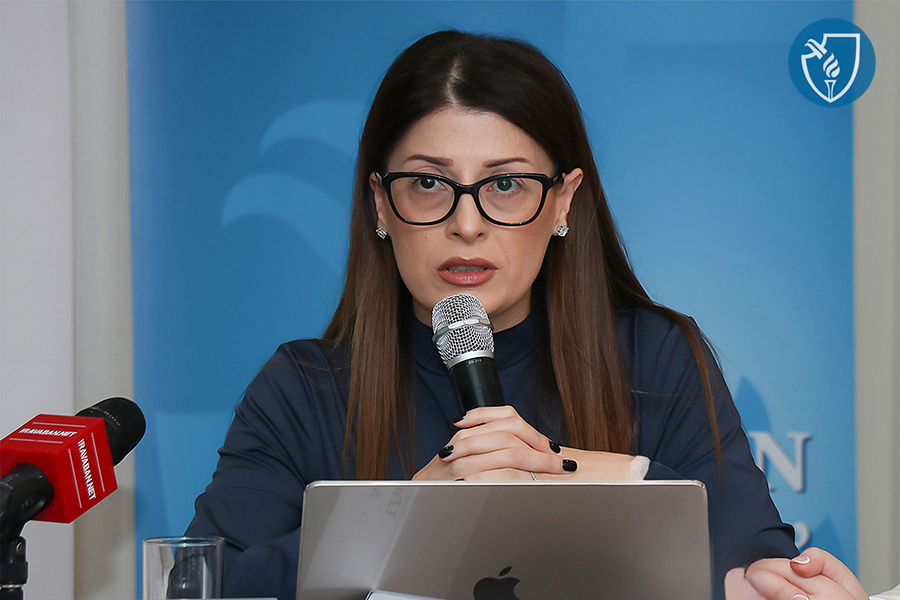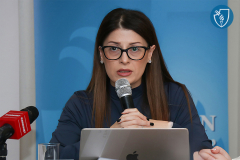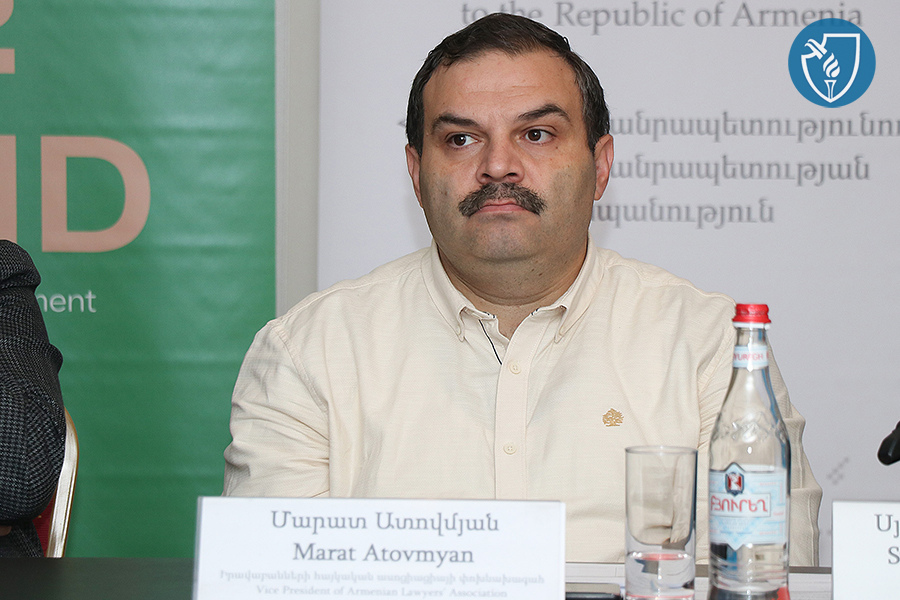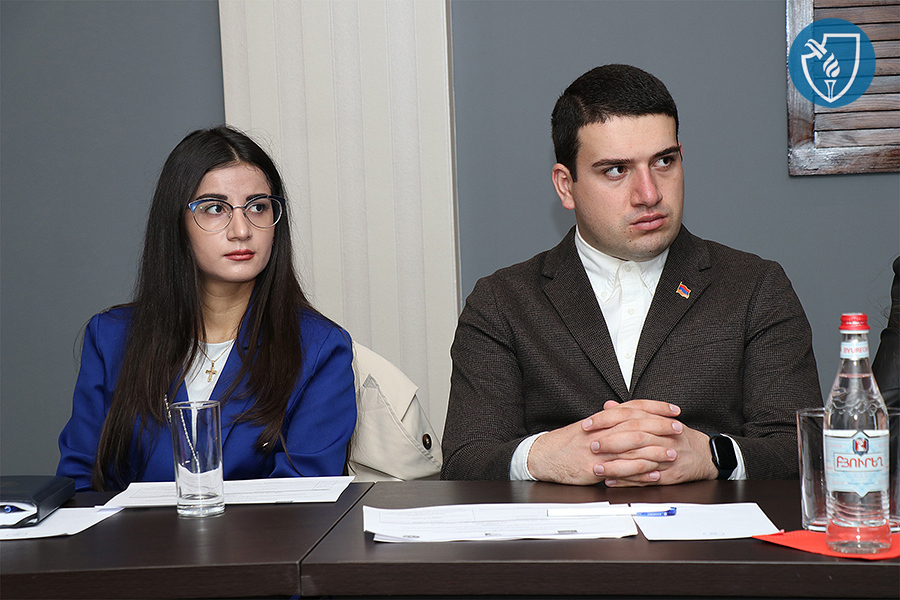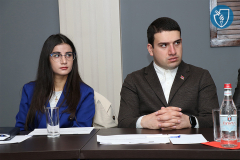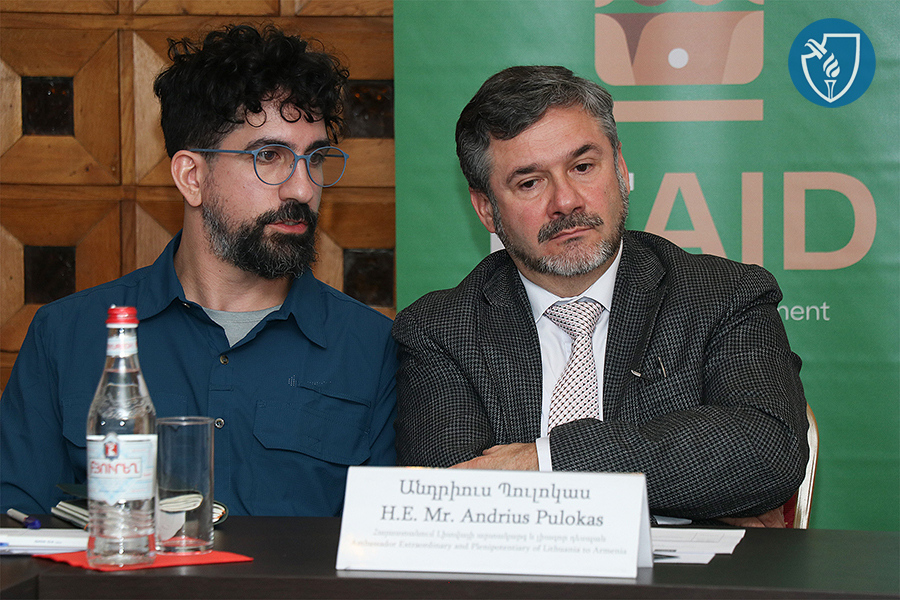
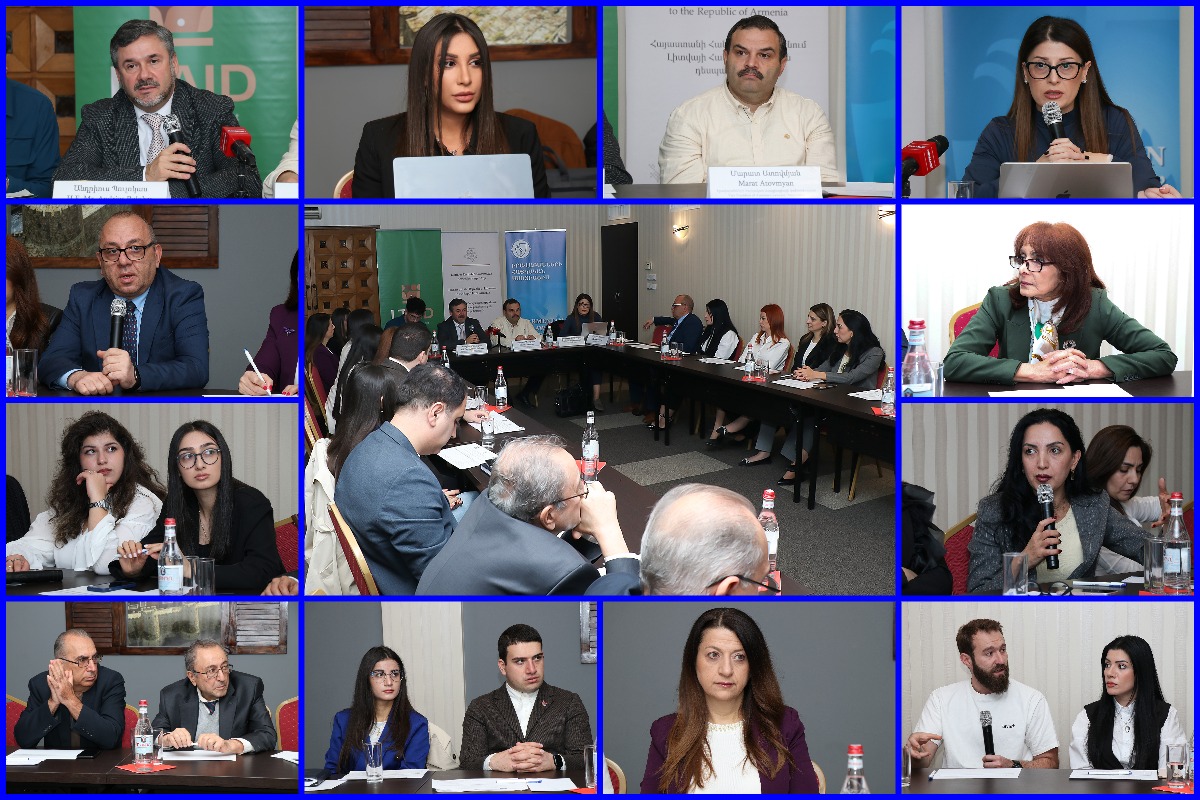
On 16 October 2025, a workshop titled “Countering Disinformation: Public–Private Dialogue Format” was held.
The event was organized with the support of the Embassy of the Republic of Lithuania and within the framework of the program “Armenia’s Disinformation Resilience Academy: Strengthening Strategic Defense Capacities through the Transfer of Lithuania’s Experience”, implemented by the Armenian Lawyers’ Association (ALA).
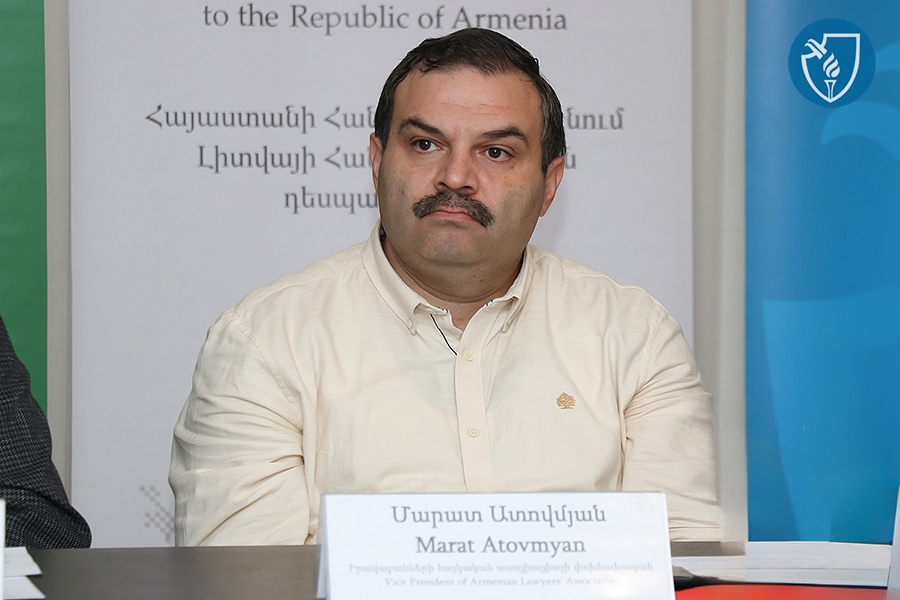
The opening remarks were delivered by Marat Atovmyan, Vice President of the Armenian Lawyers’ Association, who emphasized the international significance of the initiative and expressed gratitude to the Embassy of Lithuania and the Lithuanian people for their support. According to him, the risks associated with the spread of disinformation have become a global challenge, the consequences of which are also felt in Armenia.
“Modern societies face manifestations of fake news, disinformation, and hate speech almost every day. Unfortunately, this issue also exists in our country. Addressing it requires a combination of knowledge, skills, and cooperation,” said Marat Atovmyan.
He further noted that, within the program, the Disinformation Resilience Academy was organized, in which approximately 20 participants were selected from a large pool of applicants representing various communities from Yerevan and other regions. During the Academy, participants studied the characteristics of disinformation dissemination, personal data protection, the impact of artificial intelligence, and other related topics.
Lithuanian Experience as a Model for Cooperation
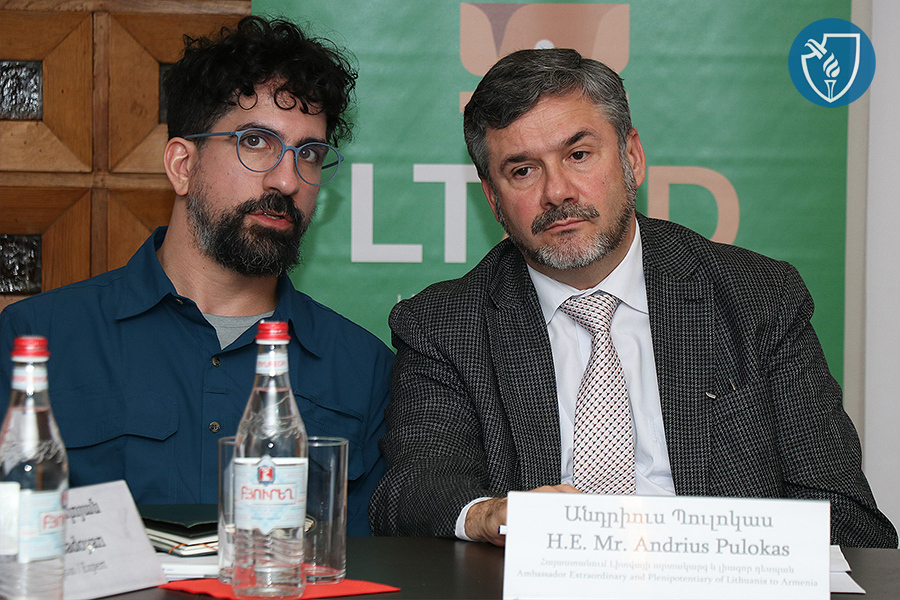
Andrius Pulokas, Ambassador Extraordinary and Plenipotentiary of the Republic of Lithuania to Armenia, in his welcoming remarks, emphasized the value of cooperation between Armenia and Lithuania:
“Lithuania and Armenia are democratic countries, and therefore disinformation represents a shared challenge. The key word is resilience—both at the societal and governmental levels,” the Ambassador stated.
He added that this initiative is not merely a one-off program step but a continuation of long-term cooperation. Lithuania’s experience has shown that countering disinformation requires joint efforts, rapid response, and continuous development of media literacy.
Presentation of the “Practical Handbook on Countering Disinformation”
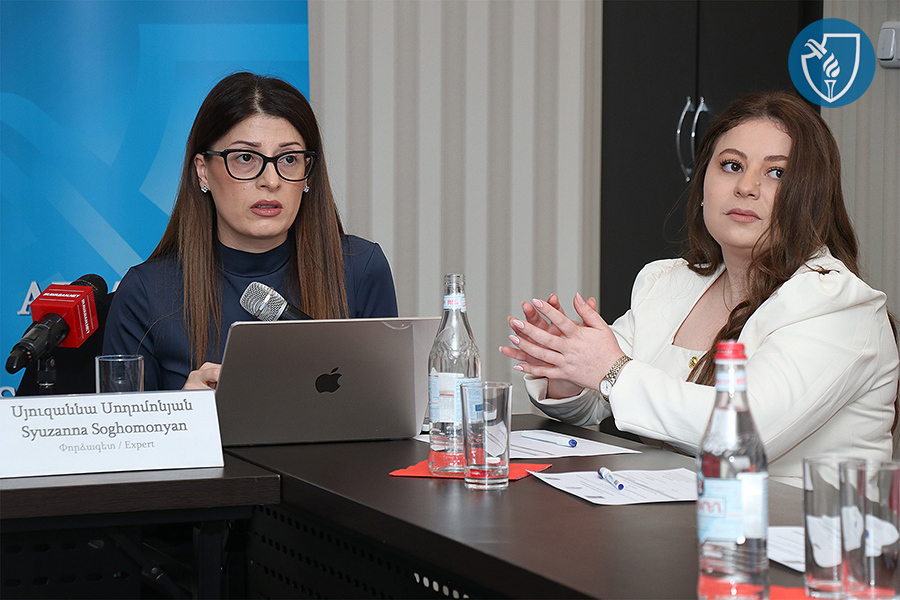
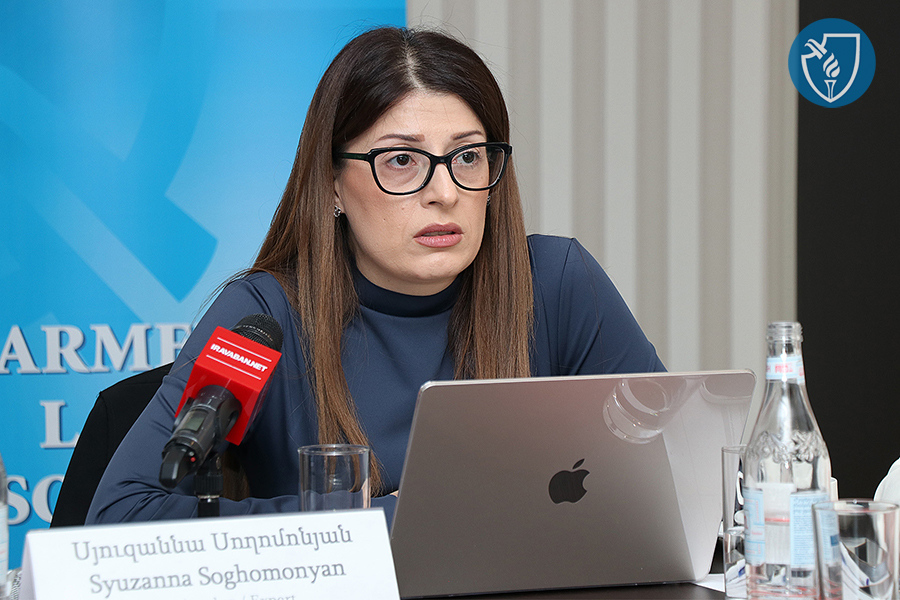
During the workshop, program experts Syuzanna Soghomonyan and Mariam Zadoyan presented the newly developed “Practical Handbook on Countering Disinformation”, which was developed with the participation of national and international experts. The Handbook is intended as a practical guide for representatives of state authorities, civil society organizations, media institutions, and the private sector for the prevention, detection, and response to disinformation.
Suzanna Soghomonyan highlighted that the Handbook is designed to strengthen the capacities of different groups within society and raise awareness:
“Disinformation is not only a technological or media problem. It is also a matter of public thinking and trust. Without a media-literate society, no technology can fully protect us from the risks of disinformation,” she stated.
The expert outlined three main types of information disruption:
- Misinformation – false information not spread intentionally;
- Disinformation – deliberately manipulative information;
- Malinformation – true information deliberately used to cause harm.
She also presented the disinformation ecosystem, emphasizing the roles of producers, distributors, localizers, and consumers.
Tools and Methods for Detecting Disinformation
Expert Mariam Zadoyan presented the next section of the Handbook, “Detection and Verification Tools”, emphasizing that detecting and verifying disinformation is a multi-layered process requiring both technical skills and media literacy.
The Handbook includes a range of modern analytical tools for source verification (Google Advanced Search, WhoisMind), image verification (Google Lens, FotoForensics), video analysis (InVID, YouTube DataViewer), bot detection (Botometer, Bot Sentinel), and fact-checking (ClaimBuster), among over 20 other digital tools. These tools are detailed in the Handbook’s “List of Tools and Technologies” appendix, covering processes from source validation to image verification. The Handbook is also complemented by a Glossary of Key Terms containing over 30 terms in Armenian and English.
“Success in countering disinformation depends not only on technology but also on critical thinking and collaboration. Automated systems cannot entirely replace human analysis,” Zadoyan emphasized.
Roadmap for Intersectoral Cooperation: Observations from Public and Private Sectors
In the second part of the workshop, conducted in an interactive format, participants discussed the directions of Armenia’s disinformation strategy, the work undertaken, and identified challenges. Participants shared observations and recommendations to jointly define the priorities of the Roadmap for Intersectoral Cooperation in Countering Disinformation.
Representatives of the Union of Manufacturers and Businessmen of Armenia stressed the lack of preventive mechanisms and proposed strengthening state communication systems:
“Public relations structures must operate not only on a response basis but also on anticipation. When information is explained in a timely manner, disinformation has no opportunity to spread,” they noted.
Arusyak Gasparyan, from the Public Relations and Information Center, emphasized the importance of media literacy: “Citizens often do not verify sources of information. If we do not develop media literacy, disinformation will always be one step ahead of us.”
Mkhitar Gasparyan, from the Ministry of Education, Science, Culture and Sports (MESCS), highlighted ongoing educational reforms aimed at promoting media literacy and critical thinking. He noted that new school standards introduce project-based learning, and teachers receive training through mentor schools.
Arshak Kerobyan, from the Ministry of High-Tech Industry, emphasized that the Ministry will soon jointly implement a nationwide media literacy campaign with MESCS, including regional visits, trainings, and public awareness activities.
Vision for the Future: Whole-of-Society Approach
Participants unanimously emphasized the Whole-of-Society approach, confirming that effective countering of disinformation is only possible through coordinated collaboration among state authorities, civil society, media, and the private sector.
The workshop concluded by highlighting three main directions:
- Legal and institutional strengthening – clear rules and accountability mechanisms;
- Public education and media literacy – fostering critical thinking and a reliable information environment;
- International cooperation – exchange of experience and implementation of joint programs.
It was noted that public–private dialogue formats should become regular events, contributing to more effective counter-disinformation efforts and strengthened public trust.
A prior online workshop on 15 October 2025, held in the same framework, ensured broader stakeholder engagement.
This article was prepared within the framework of the program “Armenia’s Disinformation Resilience Academy: Strengthening Strategic Defense Capacities through the Transfer of Lithuania’s Experience”, implemented by the Armenian Lawyers’ Association (ALA) and funded by the Embassy of the Republic of Lithuania in Armenia under Lithuania’s Development Cooperation and Democracy Promotion Programme. The content is the responsibility of the ALA and does not necessarily reflect the views of the Embassy or the Government of Lithuania.