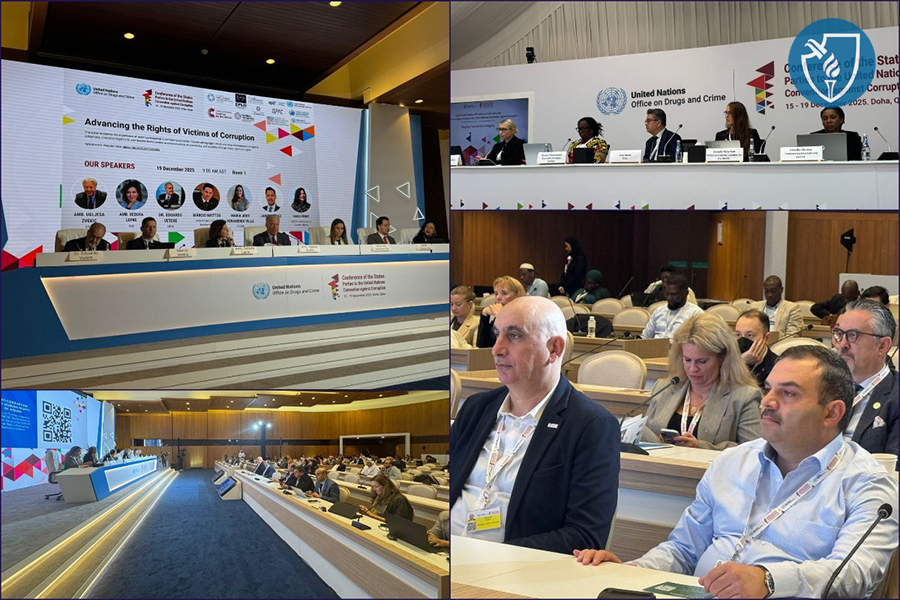
On December 19, special events continued within the framework of the 11th Session of the Conference of the States Parties to the UN Convention against Corruption (UNCAC) in Doha, Qatar. Three of these events were dedicated to the rights of victims of corruption, civil society participation, and strengthening the links between anti-corruption efforts and human rights.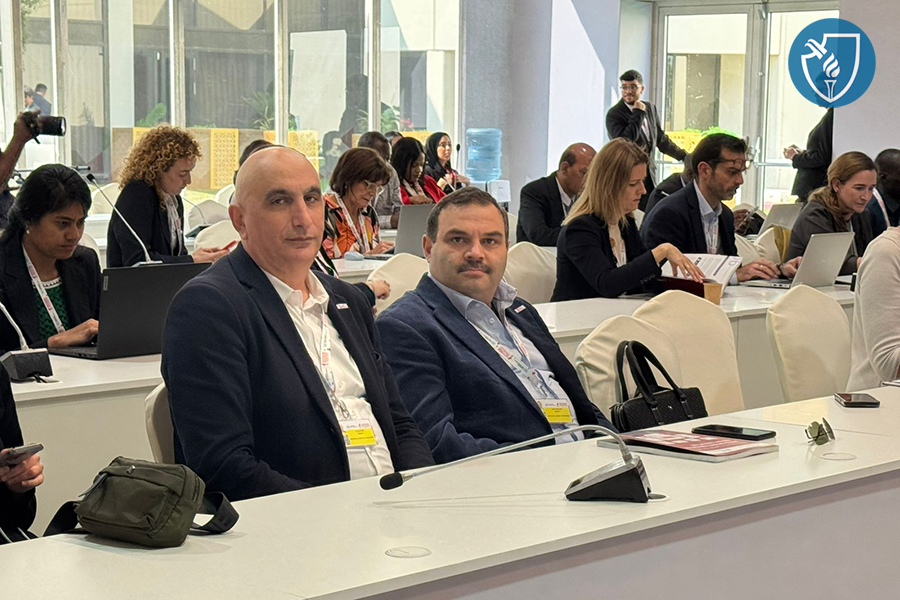
The special event titled “Advancing the Rights of Victims of Corruption” focused on the importance of protecting the rights of those affected by corruption. Experts highlighted obligations under UNCAC and other international and regional instruments, presenting innovative legal tools and lessons learned from practice to promote justice, accountability, and remedies through human rights principles.
 The discussion on “Effective Participation of Civil Society in UNCAC Reviews” highlighted best practices and challenges of civil society engagement during the first review cycle. Participants shared impact stories, reflected on UNCAC implementation, and provided recommendations to strengthen state-civil society cooperation to make future UNCAC review cycles more meaningful and impactful.
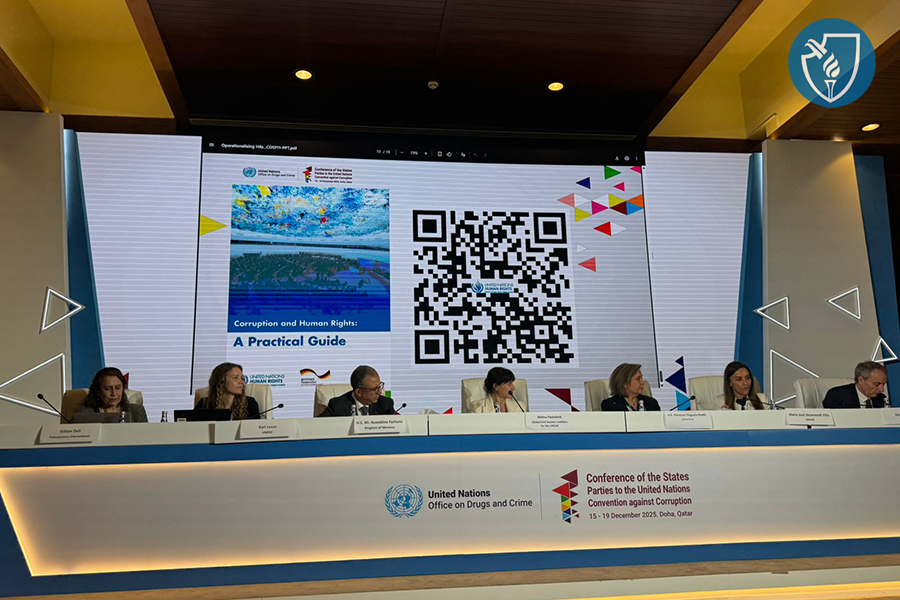
A workshop titled “Operationalizing the Links between Anti-Corruption and Human Rights” discussed the progress made in the two years since the Atlanta Conference in establishing connections between anti-corruption and human rights fields. Achievements and remaining challenges were reviewed, and tools, strategies, and entry points linking the anti-corruption and human rights sectors were presented.
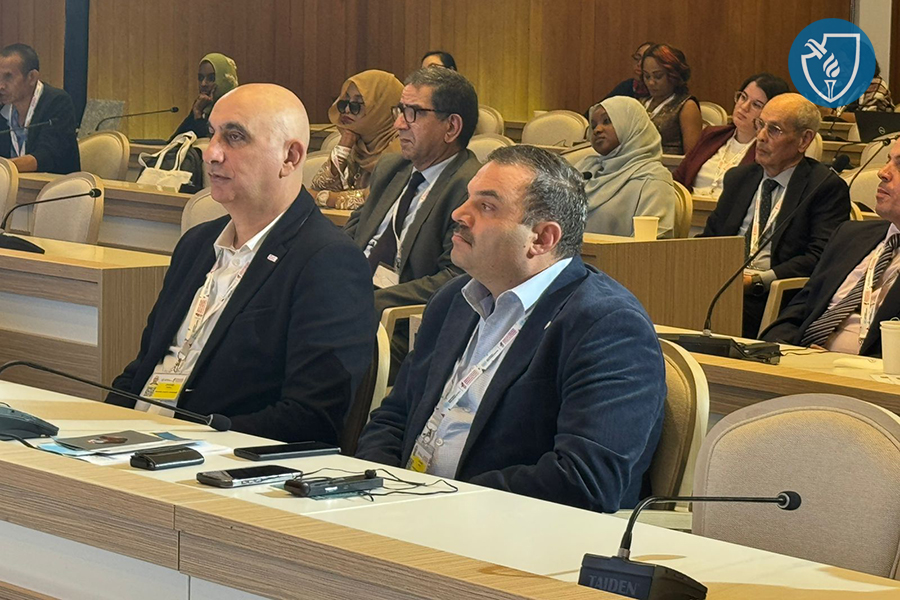 These special events were attended by Karen Zadoyan, President of the Armenian Lawyers’ Association, General Secretary of the CSO Anti-Corruption Coalition of Armenia, and member of the Anti-Corruption Policy Council of Armenia, and Marat Atovmyan, Vice-President of the ALA and expert of the CSO Anti-Corruption Coalition of Armenia.
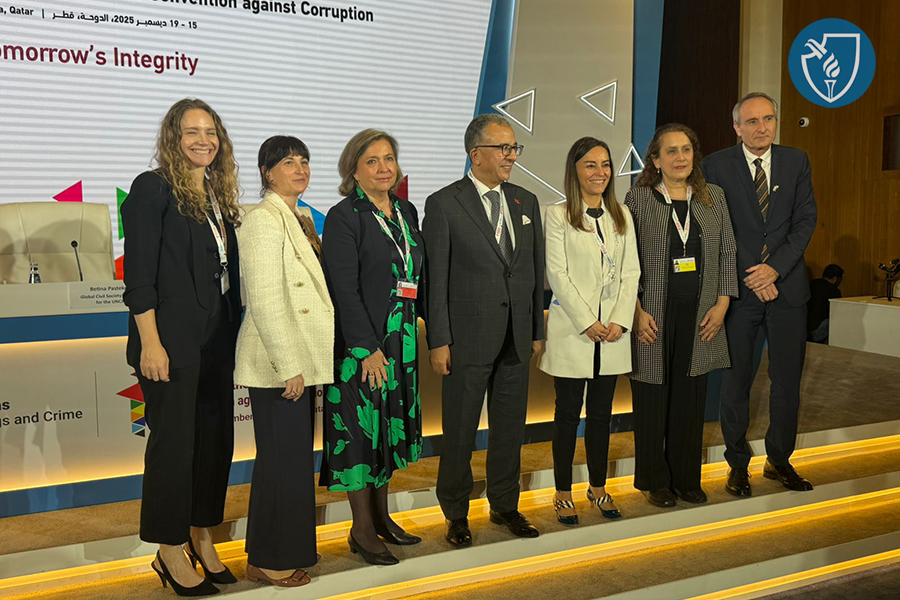 On the final day of the conference, Karen Zadoyan and Marat Atovmyan continued their working meetings with representatives of international anti-corruption organizations, anti-corruption bodies from various countries, and civil society organizations.