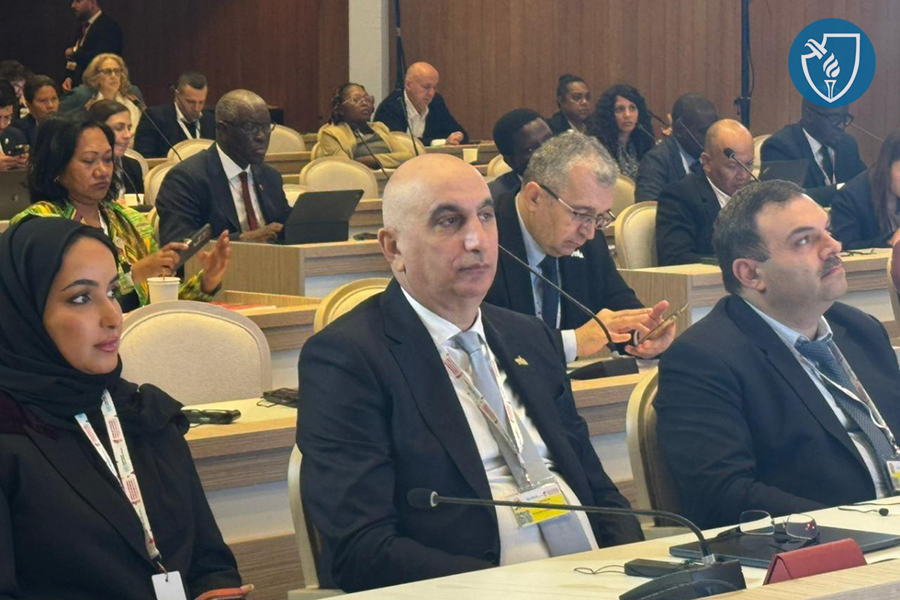
Within the framework of the 11th Session of the Conference of the States Parties to the UN Convention against Corruption in Doha, one of the sessions on December 18 was dedicated to “Corruption Disclosure Day.” The goal of the day was to bring together key stakeholders involved in disclosing and combating corruption and to create a space for strengthening the tools that ensure their safety.
The event began with a high-level opening session, followed by a discussion titled “Voices of Courage: Real Stories of Anti-Corruption Award Winners.” It highlighted corruption disclosure and accountability through the personal experiences of Anti-Corruption Excellence Award winners in the fields of investigative journalism and lifetime achievements of anti-corruption leaders.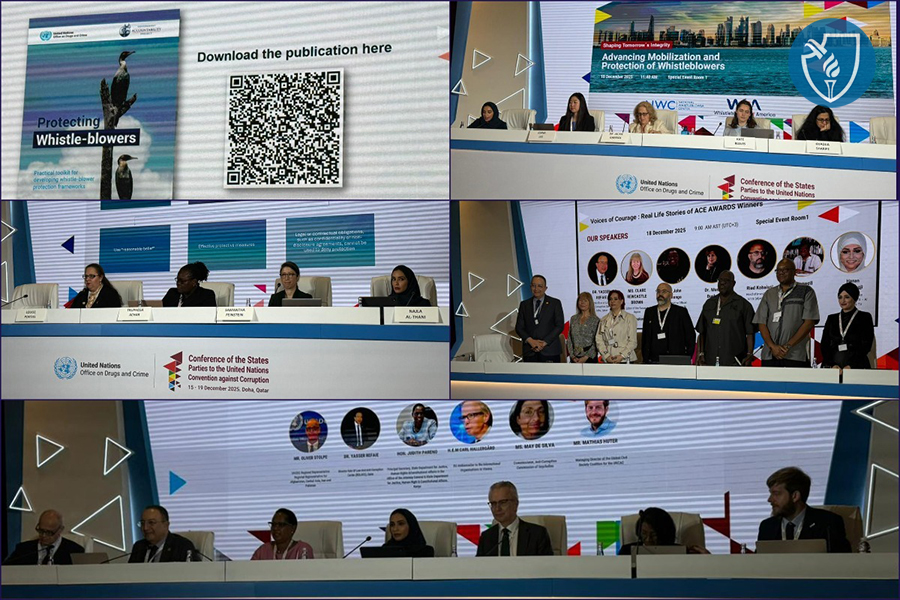
Throughout the day, a series of panel discussions were held under the general theme “Guardians of Accountability: Empowering and Protecting Whistleblowers.”
The panel on “Developing Effective Whistleblower Protection Systems” presented the experiences of Qatar and Kenya. The importance of developing a whistleblower protection framework was emphasized, featuring the presentation of a new toolkit and discussions on civil society research regarding global challenges, best practices, and lessons for strengthening the protection of whistleblower rights.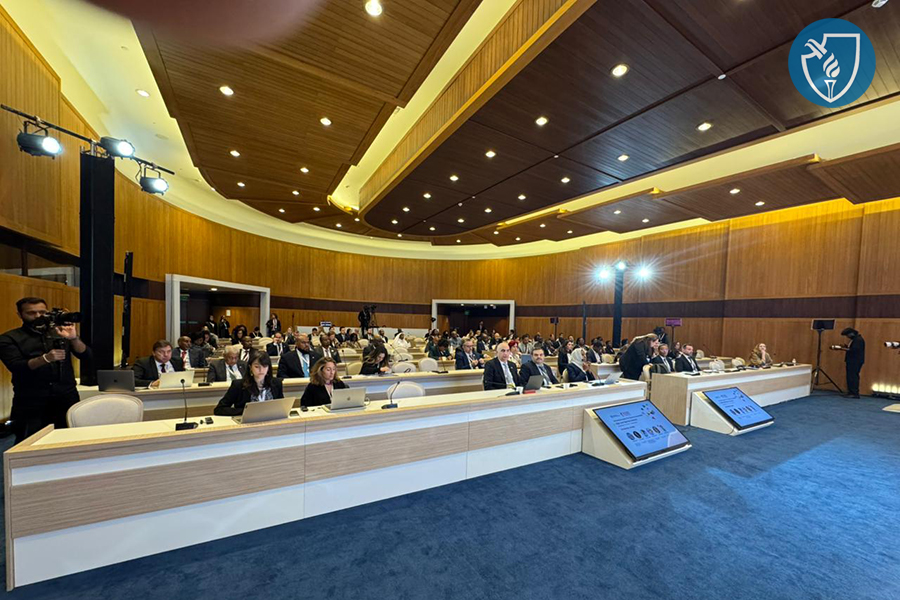
The discussion on “Whistleblower Protection in Small Island States” highlighted the unique challenges of protecting whistleblowers in small island developing states and outlined ongoing work on legislation and public policies in the Indian Ocean region.
The panel titled “Whistleblower Mobilization and Protection for Accountability” discussed the tools necessary to protect and mobilize whistleblowers, the use of transnational anti-corruption laws to prosecute crimes, and issues related to assessing damages caused by traumatic stress factors associated with whistleblowing.
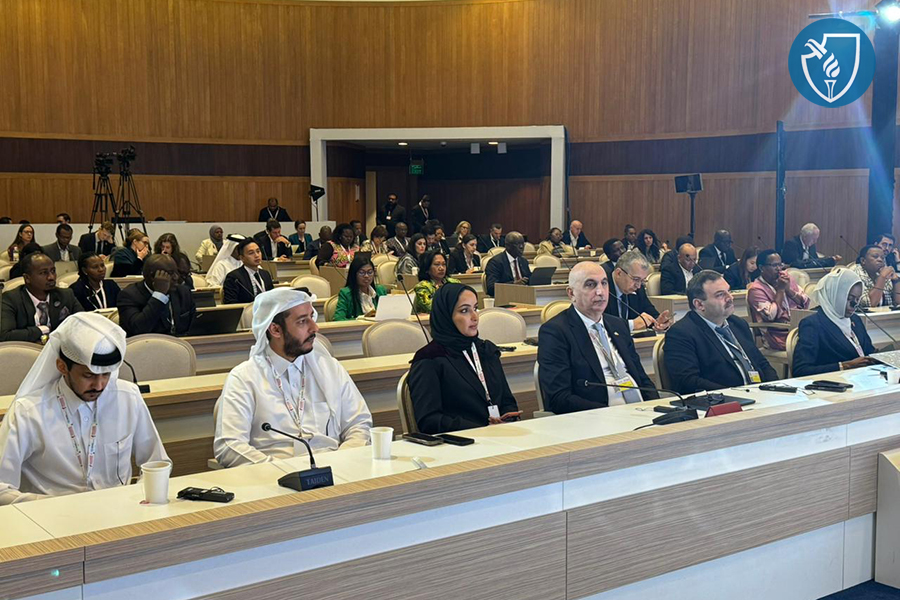
The day’s discussions underscored how to create a sustainable ecosystem for disclosing and combating corruption by adopting a “whole-of-society” approach, uniting whistleblowers, journalists, civil society organizations, and law enforcement agencies.
These panel discussions were attended by Karen Zadoyan, President of the Armenian Lawyers’ Association, General Secretary of the CSO Anti-Corruption Coalition of Armenia, and member of the Anti-Corruption Policy Council of Armenia, as well as Marat Atovmyan, Vice-President of the ALA and expert of the Coalition.
Within the framework of the conference, Karen Zadoyan and Marat Atovmyan also held working meetings with representatives of international anti-corruption organizations, anti-corruption bodies from various countries, and civil society organizations.