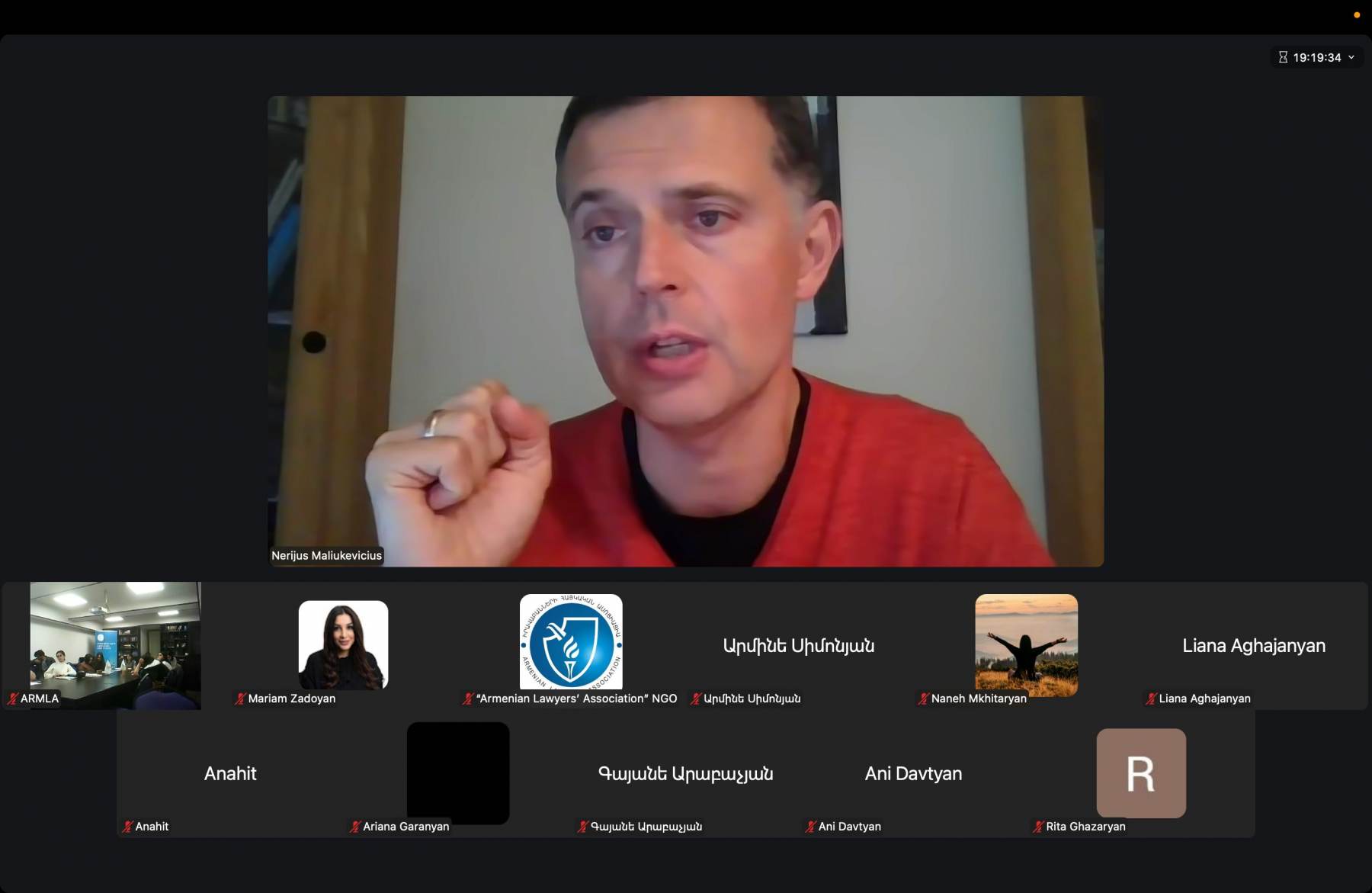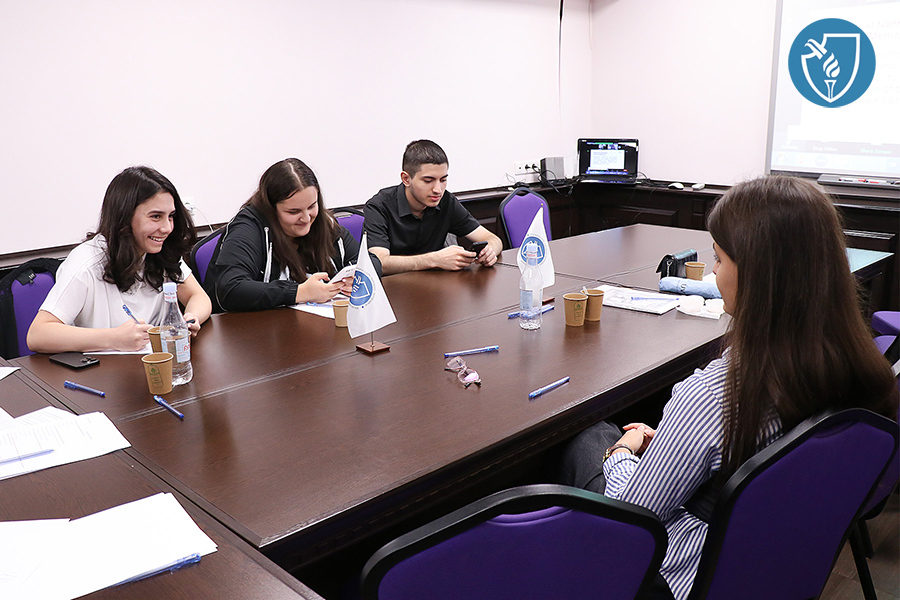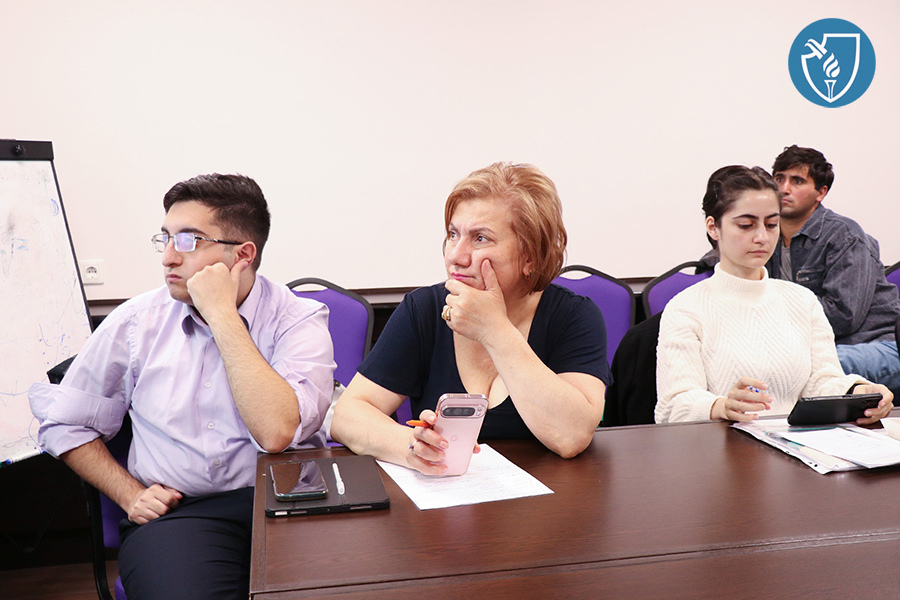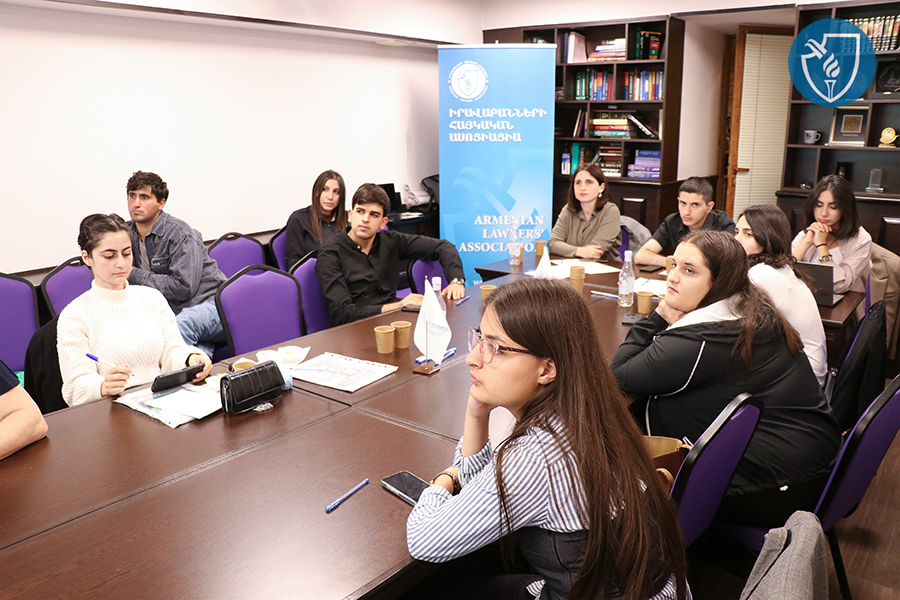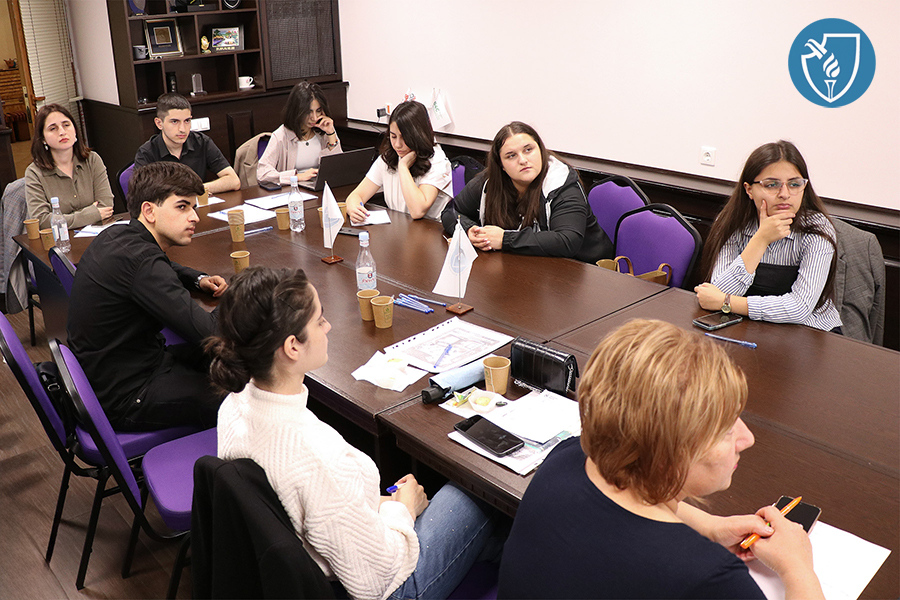
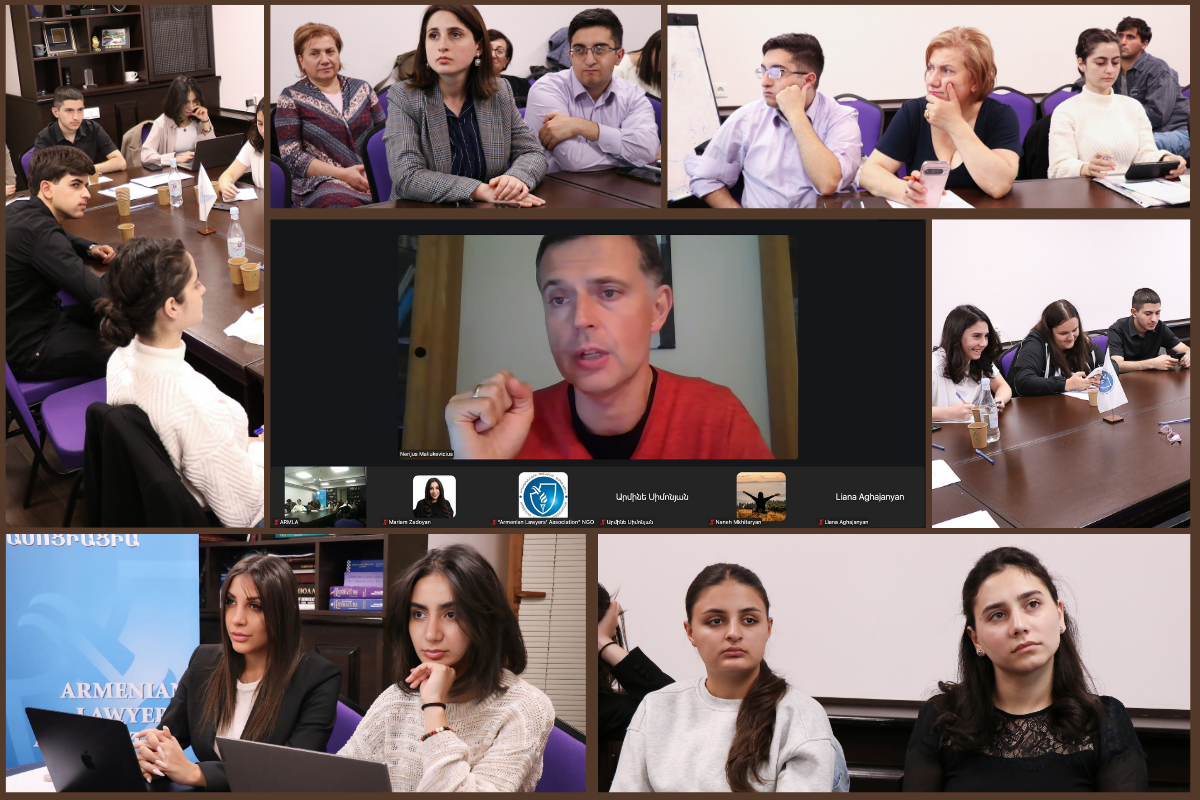
On September 22-23, a two-day advanced professional training course of the Disinformation Resilience Academy was held in Yerevan on the topic “Strategic Communication in Authoritarian Neighborhood: Lithuania’s Comprehensive Approach.” The course was conducted by international expert from Lithuania, Dr. Nerijus Maliukevičius.
The training was conducted in a hybrid format, simultaneously providing both in-person and online participation opportunities. This format enabled participants from the regions to join, including representatives from Syunik, Lori, Tavush, Armavir, Aragatsotn, Ararat, and Shirak provinces.
Twenty participants from the Academy’s 50 participants, having successfully completed the first phase of e-learning, participated in this intensive training.
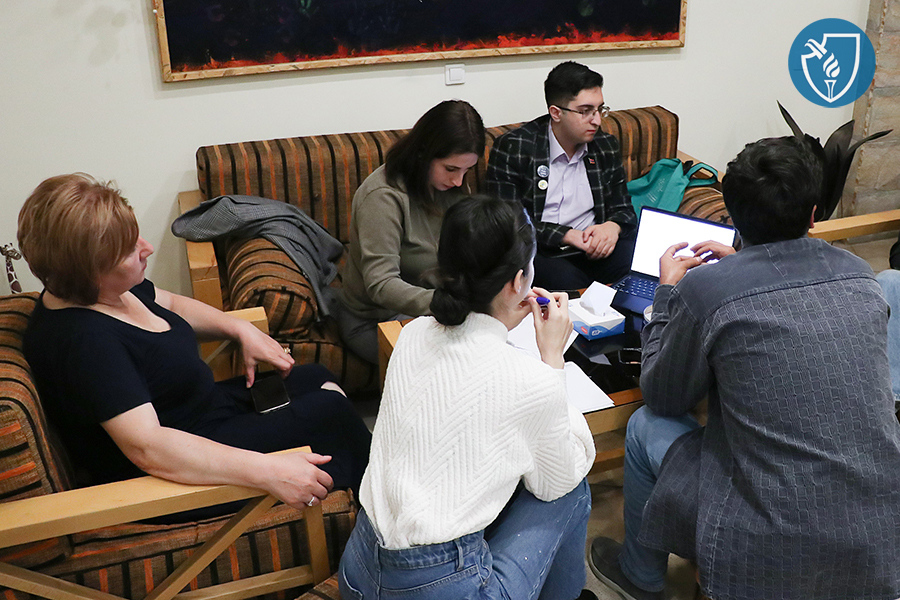
On the first day, participants studied the fundamentals of strategic communication, familiarized themselves with EU and Lithuanian approaches, and discussed counter-narrative construction mechanisms. During the practical “Narrative Re-frame” exercise, teams developed counter-narratives based on values, empathy, and evidence. The second part of the day was dedicated to an in-depth study of the disinformation ecosystem, including Foreign Information Manipulation and Interference (FIMI) mechanisms.
The second day focused on multi-sectoral cooperation and crisis resilience. Participants learned about the Lithuanian model, including the experience of the NCMC center, the “elves” movement, the “Boost Your Immunity” campaign, and the LT72 portal. Through the “Spot the Fake” practical exercise and “Bad News Game” simulation, participants improved their fake news detection skills.
The hybrid format ensured interactive participation – online participants were able to fully engage in discussions and practical assignments. The training paid special attention to scenarios relevant to the Armenian context, including disinformation combat strategies during electoral processes and military-political crises.
This article was prepared within the framework of the project “Armenia Disinformation Resilience Academy: Building Strategic Defense Capabilities Through Lithuanian Experience Transfer,” implemented by the Armenian Lawyers’ Association. The project is funded by the Embassy of the Republic of Lithuania in the Republic of Armenia under the Lithuanian Development Cooperation and Democracy Promotion Programme.
The Armenian Lawyers’ Association is responsible for the content, which does not necessarily reflect the views of the Embassy or the Government of the Republic of Lithuania.