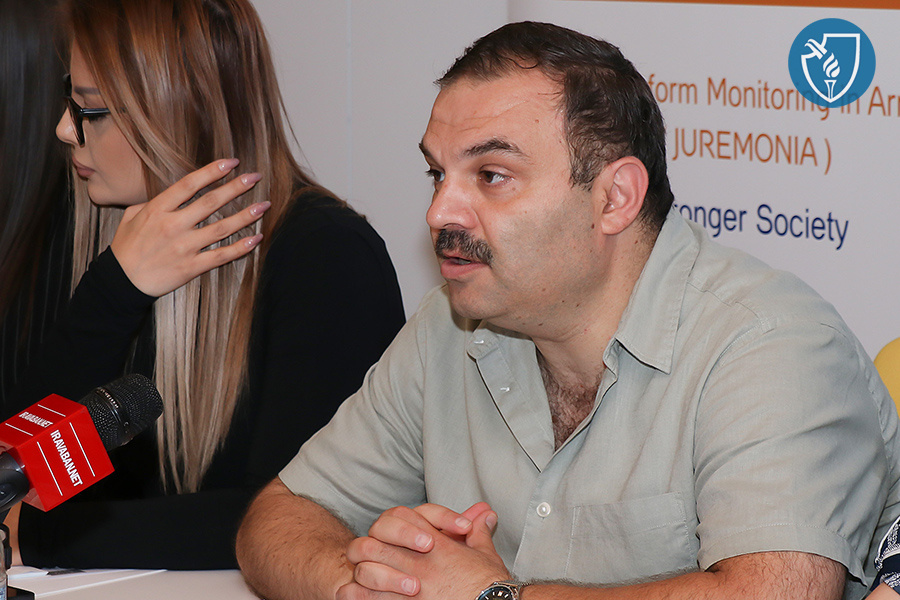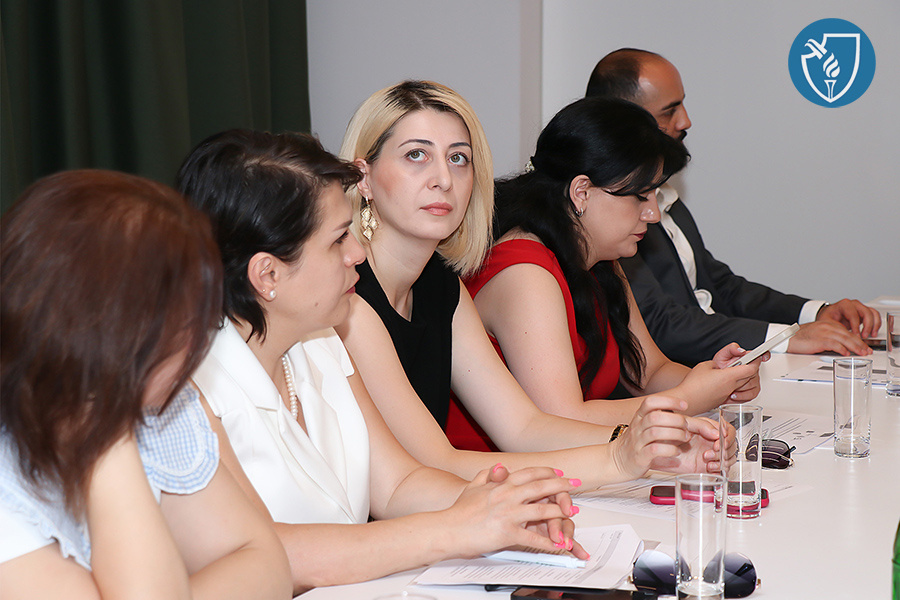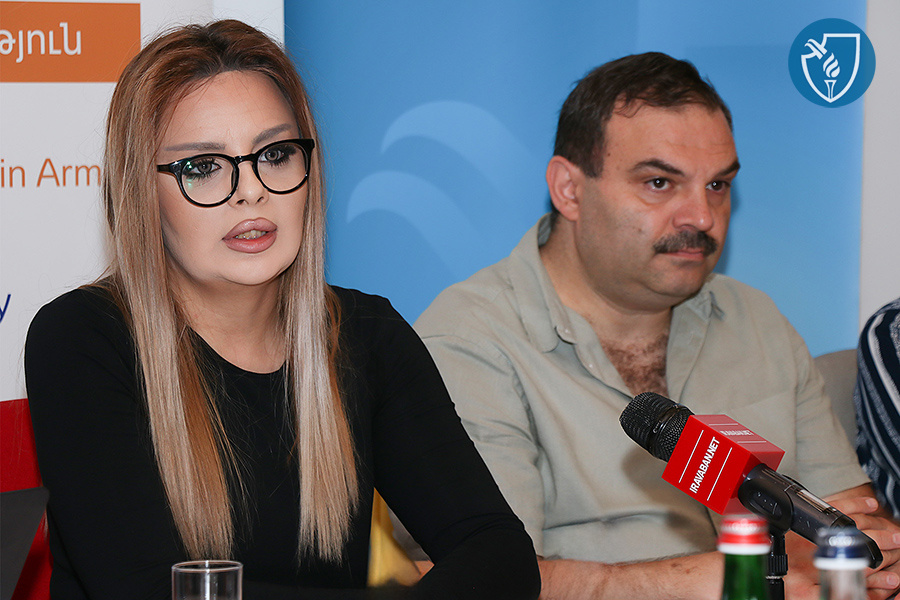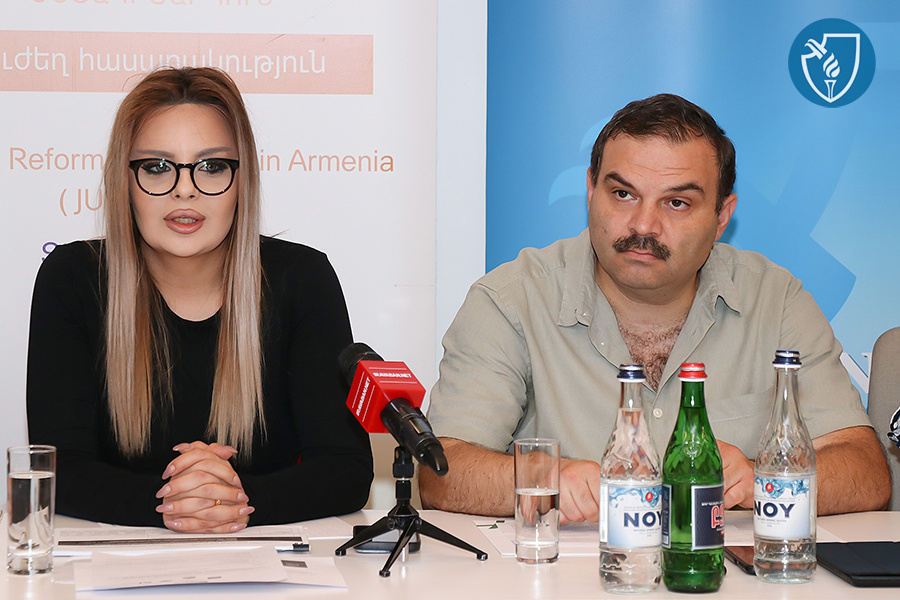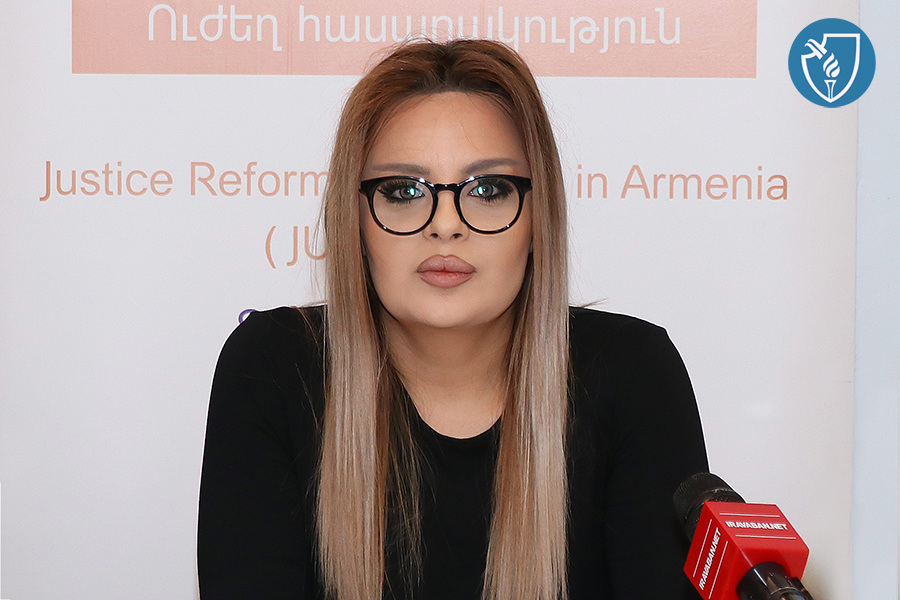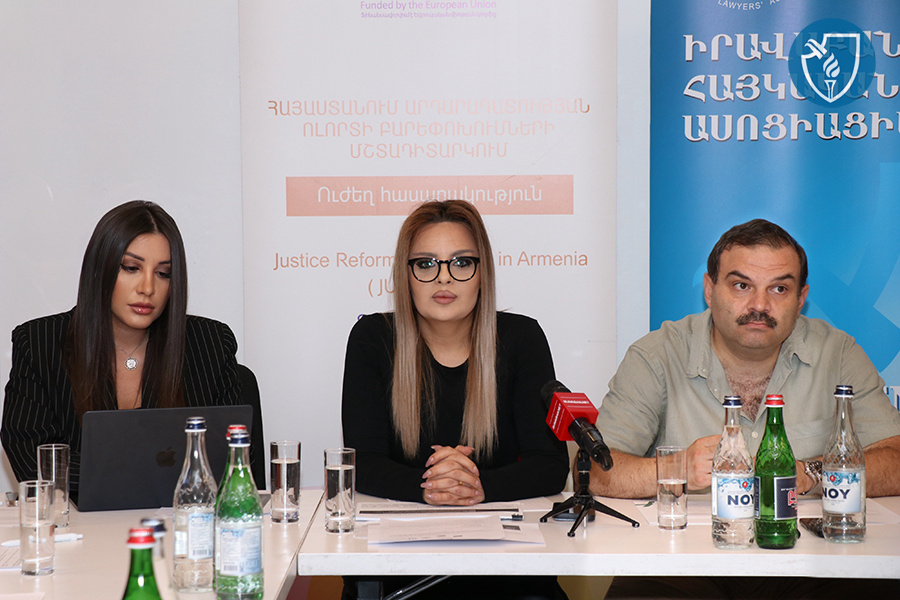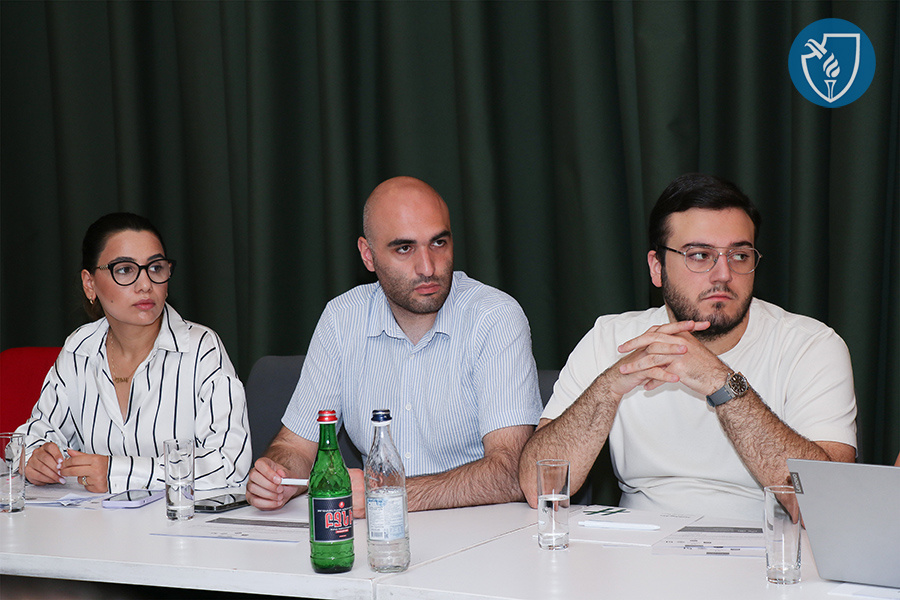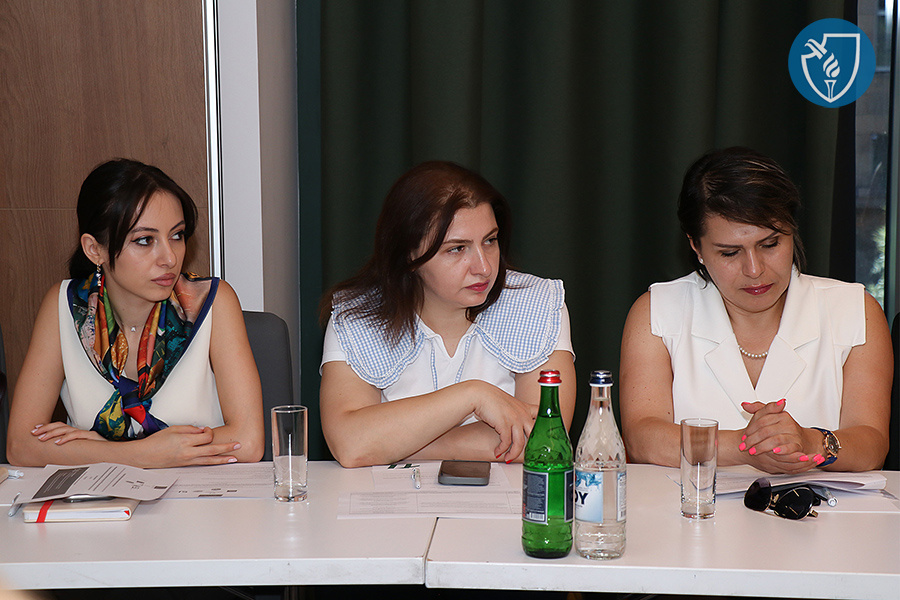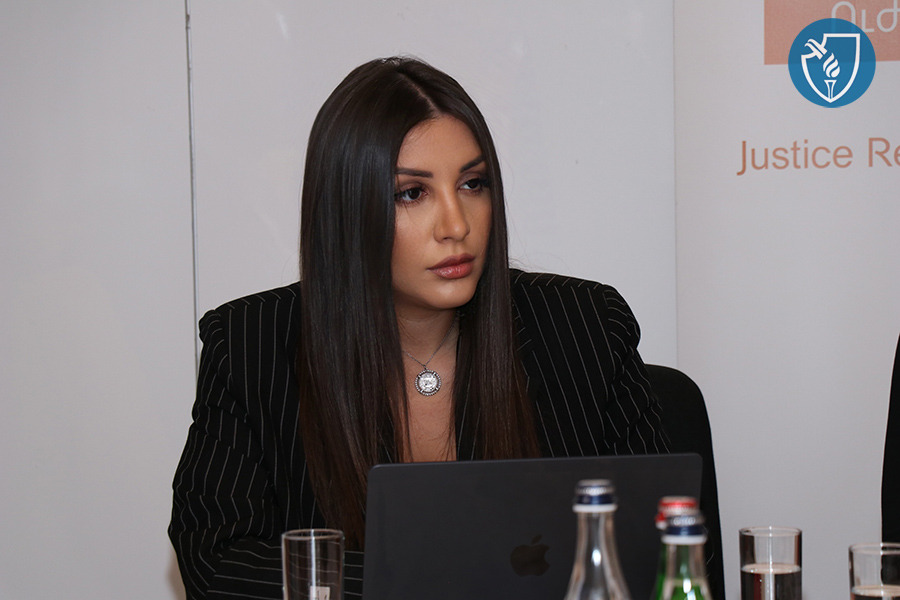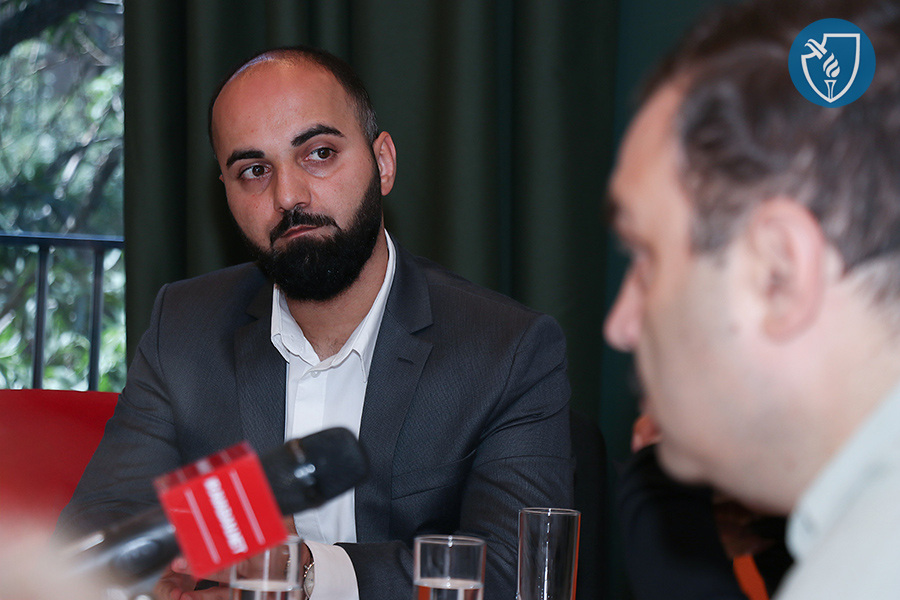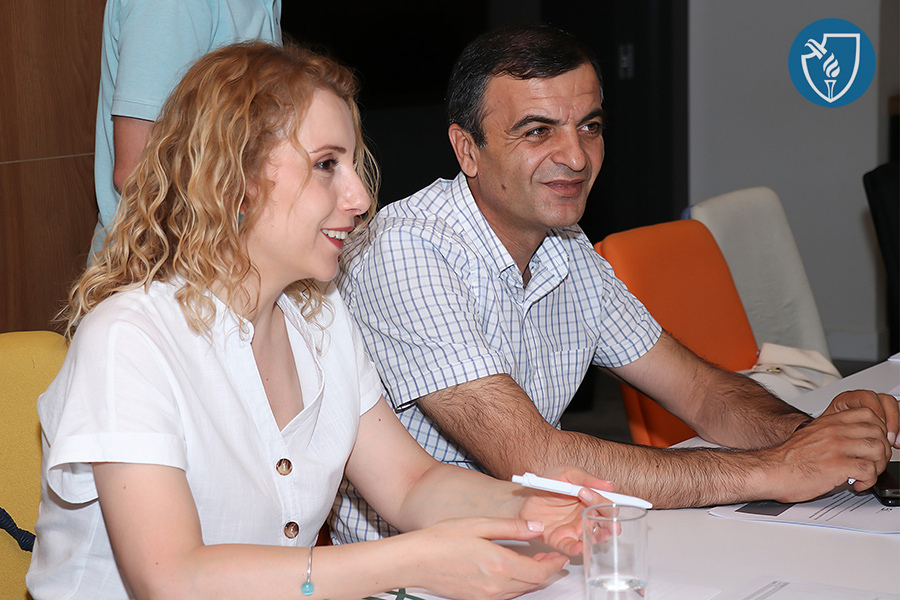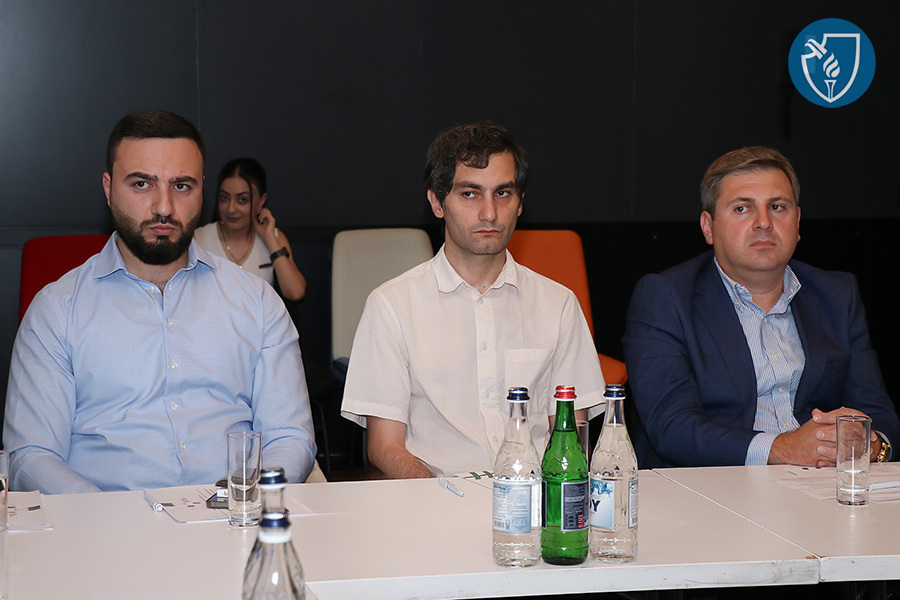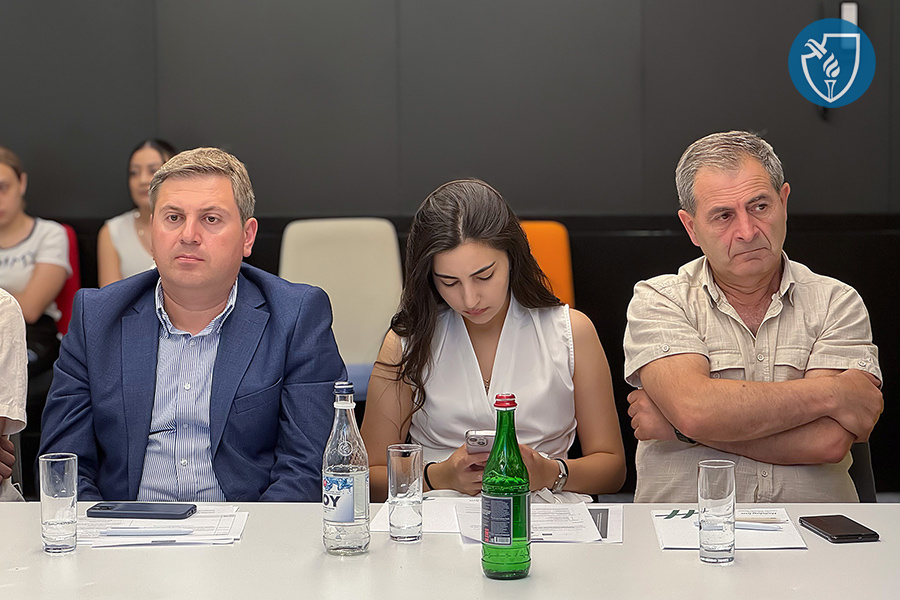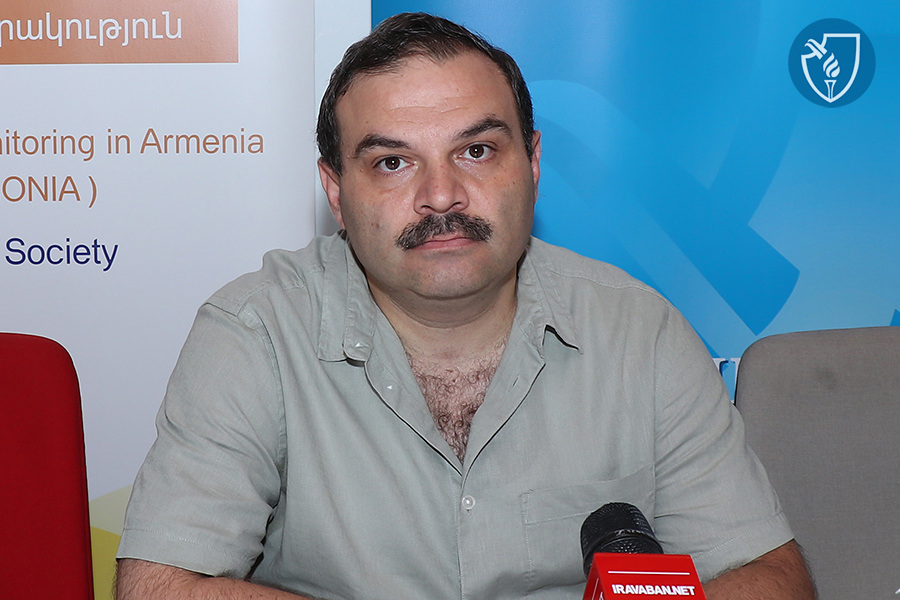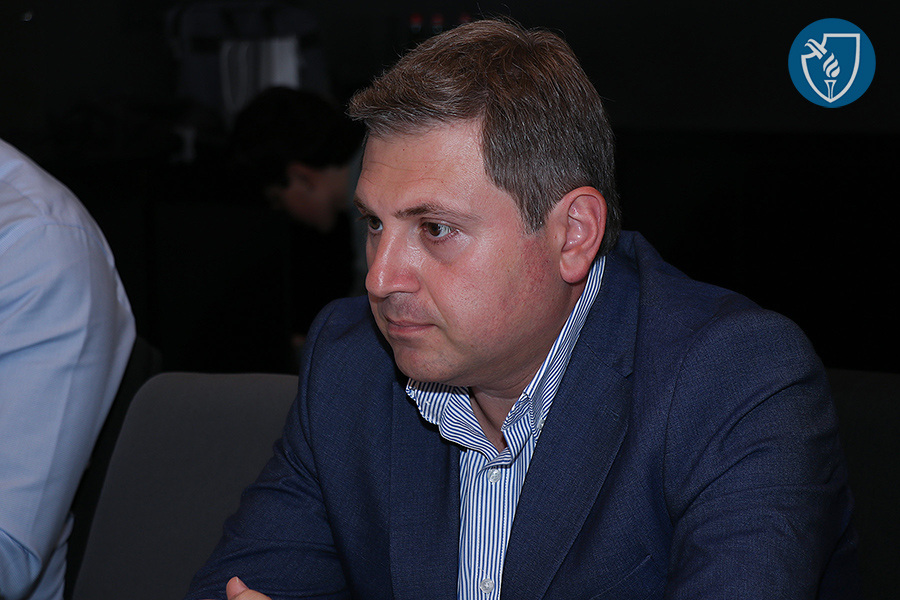
On July 18, 2025, within the framework of the sub-grant program “Public Oversight and Awareness for Effective and Inclusive Police Reforms,” the Armenian Lawyers’ Association organized a discussion of the draft public monitoring report. The report concerned the 2024–2026 Police Reform Strategy and the implementation of the related Action Plan, covering the period of 2024–2025.
Representatives of the Ministry of Internal Affairs, civil society organizations, universities, as well as international and donor organizations participated in the event.
The participants were welcomed by Vice President of the Armenian Lawyers’ Association, police reform expert and lawyer Marat Atovmyan. He noted that the discussion would address existing issues, present recommendations, and subsequently lead to the presentation of the final report.
“The Armenian Lawyers’ Association has always emphasized the importance of police reforms, which are of key significance. The aim of the program is to increase public awareness and involvement in the reform process through public monitoring. A report presenting the current situation will also be published,” Atovmyan stated.
This sub-grant was implemented within the framework of the program “Monitoring Justice Sector Reforms in Armenia” (www.juremonia.am). The program is implemented with financial support from the European Union by a consortium consisting of the Netherlands Helsinki Committee, Penal Reform International, the “Social Justice” NGO, and the “Civil Society Institute” NGO.
Gayane Hovakimyan, President of the consortium member “Social Justice” NGO, noted that the program was implemented in the context of justice reforms. According to her, the objective was to provide targeted sub-grants to NGOs and higher education institutions to help develop a more participatory and prepared civil society sector. This would enable citizens and NGOs to combine efforts with the state in developing and proposing solutions to existing problems.
Head of the Strategic Planning, Policy Development and Monitoring Department of the Ministry of Internal Affairs, Natali Sahakyan, emphasized the importance of the program, stating:
“The strategy has several directions, each with targeted measures. Digitalization is a strategically important direction for us, as it enables analytical work and the adoption of evidence-based policy decisions.
I would like to thank the Armenian Lawyers’ Association for its effective work, including in a remote format. Since its establishment, the Ministry of Internal Affairs has launched large-scale police reforms. We place particular importance on the final formation of four pillar services, the last of which—the Police Guard—will become operational on November 1, 2025.”
Lawyer and monitoring expert Suzanna Soghomonyan presented the main provisions of the draft report. She noted that the discussion was important, as the observations and issues raised would be incorporated into the final report.
“A total of 52 actions were monitored. We identified three main objectives:
- to assess the progress of implementation of the strategy and action plan during the first half of 2024 and 2025,
- to determine which actions were fully implemented, partially implemented, or not implemented at all,
- to conduct quantitative and, for some actions, qualitative assessments,” Soghomonyan stated.
Lawyer and monitoring expert Mariam Zadoyan presented the ALA’s monitoring results in several areas, addressing community policing, police troops and the guard, human rights protection, inclusiveness of reform implementation, public perception, and international cooperation.
She noted, for example, that the first phase of actions aimed at improving police rankings in international indices had been implemented, while the assessment of progress in the second phase was still lacking.
Marat Atovmyan presented recommendations related to effective human resource management and strengthening integrity. He highlighted cases of unethical behavior by police officers, including the use of violence and the use or distribution of narcotics. He also addressed shortcomings of the MIA Legal Department in judicial proceedings.
Natali Sahakyan responded, noting that the Ministry of Internal Affairs had already identified such issues and that relevant actions were being implemented. She emphasized the importance of continuous training for pillar service staff, particularly the development of high-level communication skills for the patrol service.
She also addressed interactions with foreign nationals, emphasizing the need to resolve language barriers. Marat Atovmyan added that the availability of interpreters in detention facilities should be ensured. Sahakyan responded that information leaflets in several languages already exist and that translation services are actively used as needed.
The experts and the MIA representative also answered questions from participants regarding the strategy’s directions, actions, and the progress of their implementation.
The discussion took place in an engaged, active, and substantive atmosphere. Participants agreed that reforms should not be implemented formally or merely to satisfy external requirements. They should be real, in-depth, and aimed at meeting societal needs and improving citizens’ quality of life.
The sub-grant “Public Oversight and Awareness for Effective and Inclusive Police Reforms” is implemented by the Armenian Lawyers’ Association within the EU-funded program “Monitoring Justice Sector Reforms in Armenia,” under a grant announced by the “Social Justice” NGO.
The program aims to increase civil society participation in monitoring police reforms and assessing their impact by ensuring structured engagement mechanisms, independent evaluation, and enhanced public awareness.
This article was prepared with the financial support of the European Union. The content is the sole responsibility of the Armenian Lawyers’ Association NGO and does not necessarily reflect the views of the European Union.