From December 15-19, Doha, the capital of Qatar, is hosting the 11th Session of the Conference of the States Parties to the UN Convention against Corruption (UNCAC). The event is attended by representatives from dozens of countries, international organizations, and non-governmental entities.
The conference is centered around the general theme “Shaping Tomorrow’s Integrity,” covering discussions on anti-corruption policy, strengthening integrity and transparency, international cooperation, and sustainable development. The forum provides a platform for states, international organizations, and civil society to exchange experiences, disseminate best practices, and develop joint solutions.
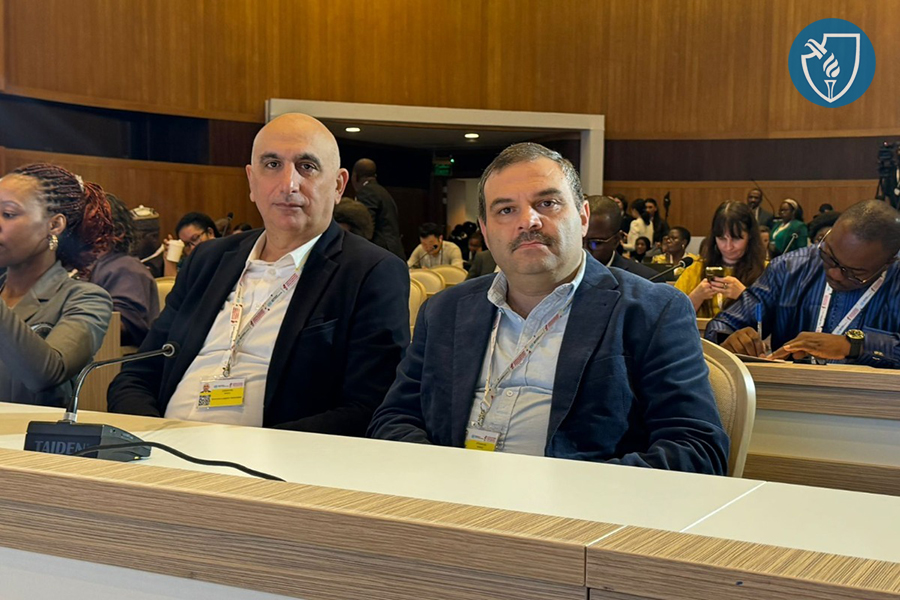
On December 17, key thematic discussions were held, featuring the participation of Karen Zadoyan, President of the Armenian Lawyers’ Association, General Secretary of the Anti-Corruption Coalition of Armenian CSOs, and member of the Anti-Corruption Policy Council of Armenia, along with Marat Atovmyan, Vice-President of the ALA and expert of the Anti-Corruption Coalition of Armenian CSOs.
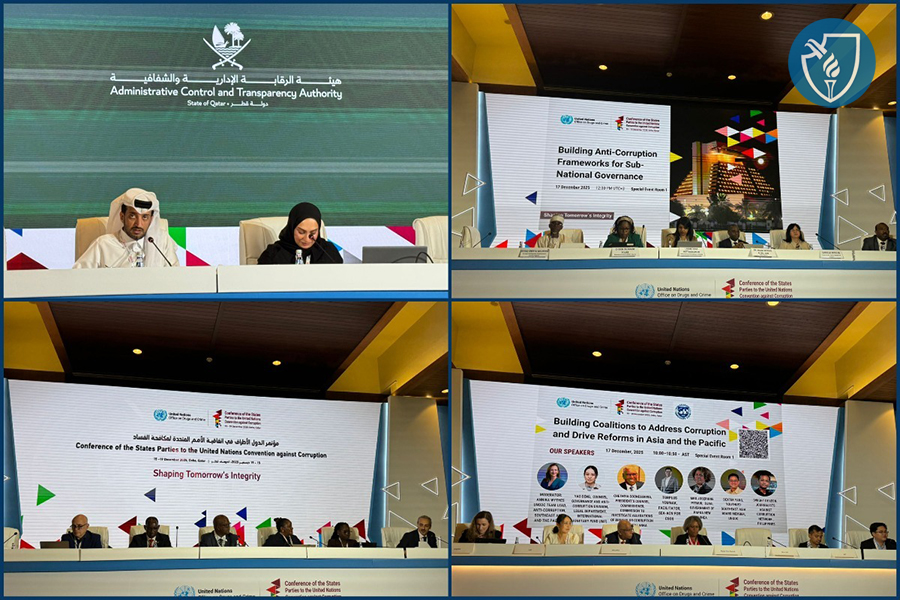
A joint panel discussion by the UN Office on Drugs and Crime (UNODC) and the International Monetary Fund (IMF) titled “Stronger Together – Building Coalitions in Asia and the Pacific” was held. During the session, it was emphasized that the fight against corruption requires the mobilization of society as a whole, uniting governments, international organizations, and non-state stakeholders. It was presented how coalitions and networks can complement each other to strengthen integrity and accountability systems while supporting the implementation of the UN Convention against Corruption.
Another panel discussion titled “Shaping Tomorrow’s Integrity” was held, where, among other topics, the successful anti-corruption experience of Botswana was showcased.
The conference also featured a session on “Building Anti-Corruption Systems for Local Government.” This event examined the translation of national anti-corruption commitments and strategies into effective implementation at the local level. The session explored practical frameworks and mechanisms that enhance local-level accountability and build resilient anti-corruption systems.
In a subsequent session, the State of Qatar presented its “National Strategy for Promoting Integrity and Transparency and Preventing Corruption 2025-2030.” This inaugural strategy by Qatar is a sectoral initiative involving 16 implementing and 35 supporting bodies, comprising over 78 programs designed to achieve the strategy’s goals and objectives.
In addition to participating in the official sessions, Karen Zadoyan and Marat Atovmyan held informational meetings with members of various national delegations, reaching agreements on future cooperation.
The conference will continue its work through December 19.